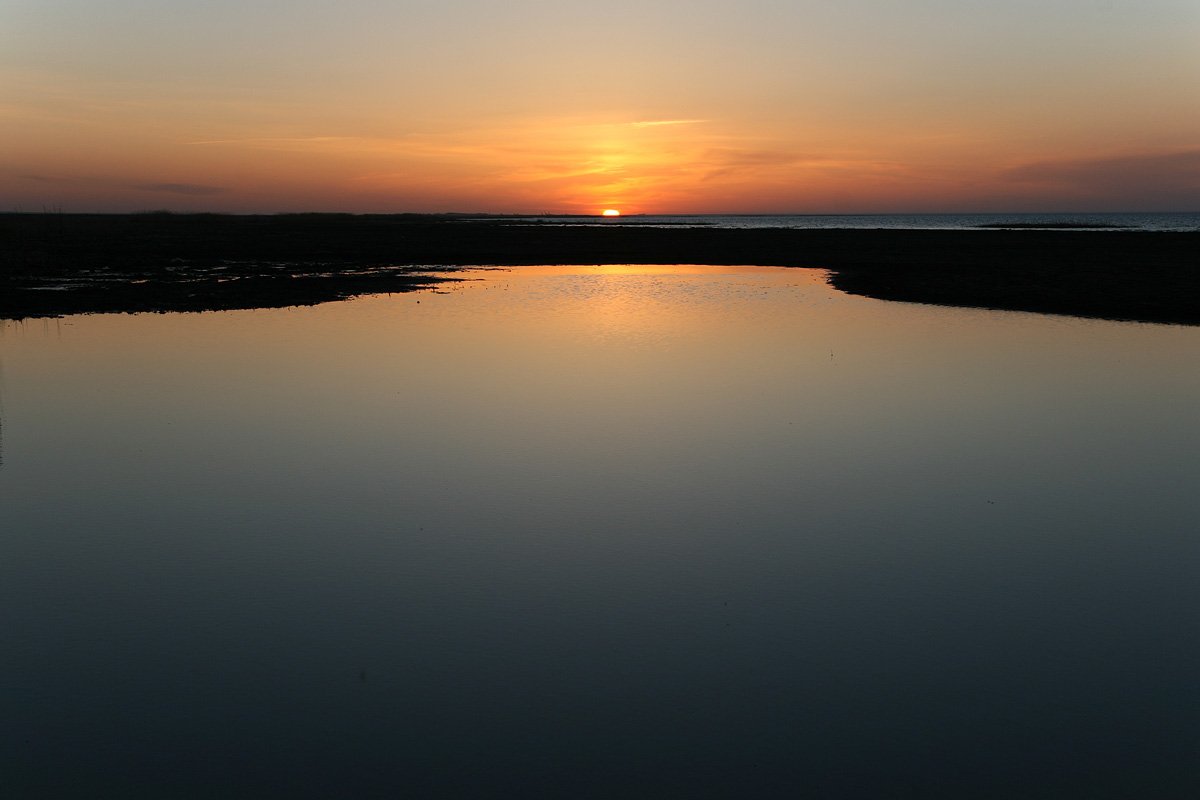
Most lakes across the globe are less than 10,000 years old, but a small proportion are much older, from hundreds of thousands to millions of years old. In a recent review of ancient lakes—those that have persisted through at least one glacial cycle (>130,000 years)—more than half are also great lakes of the world (Hampton et al. 2018). Over their long lives, ancient lakes have experienced wet and dry periods, large-scale cycles of warming and cooling, and substantial changes in both biology and abiotic conditions. Such a history provides rich context for the effects of climate change already underway.
These lakes not only record rich histories of environmental variation in their sediments, but also provide a home for a disproportionate share of the world’s freshwater biodiversity and harbor high rates of endemism. From Lake Baikal’s endemic freshwater seal (Pusa siberica) fishing the lake’s frigid subarctic waters for endemic pelagic amphipods and sculpins (Watanabe et al. 2020) to the astonishing diversity of the cichlid radiations in the warm tropical East African Rift Lakes of Malawi, Victoria, and Tanganyika (Seehausen et al. 1997), the biodiversity of ancient lakes is adapted to sometimes unique conditions.
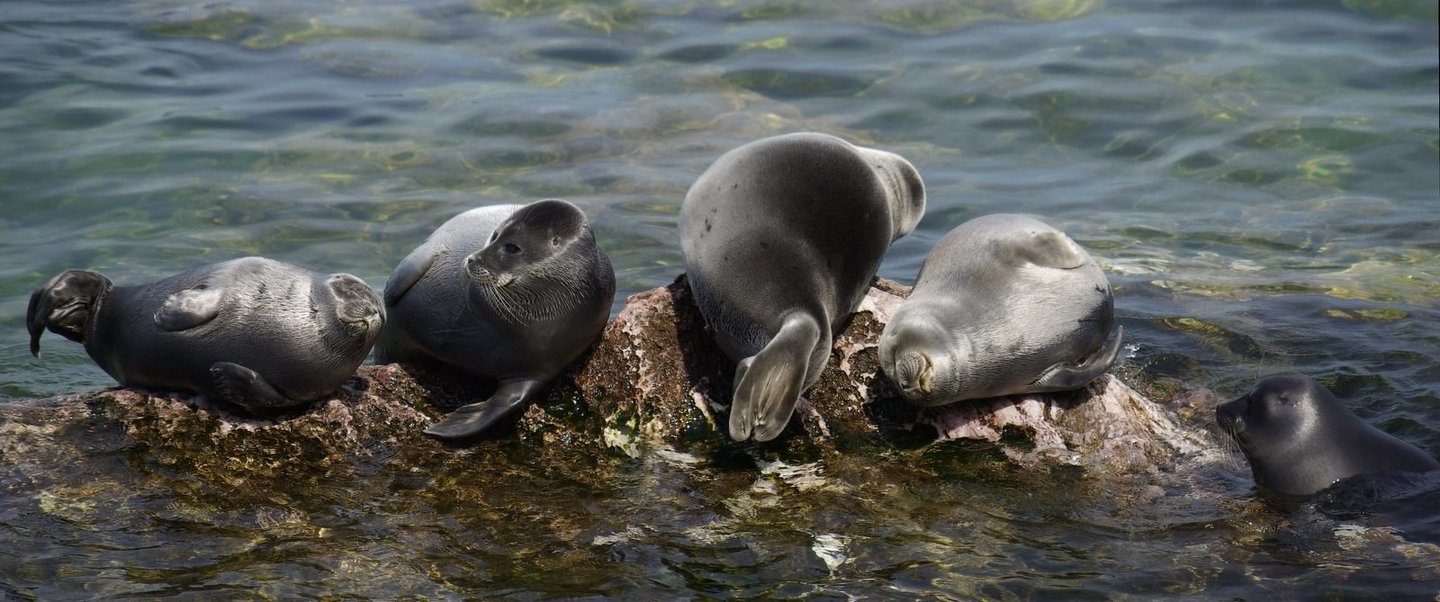
At the same time, ancient lakes have attracted some of the earliest known human settlements, and archeologists see evidence of the resources that the lakes have long provided to humans. Archeological evidence shows that endemic fish and the Baikal seal were exploited by Indigenous people living around Lake Baikal since at least the mid-Holocene (Nomokonova et al. 2010). The Aral Sea has been home to ancient settlements going back thousands of years, and recurring reductions in water level have occurred over the past 5,000 years due to both climate and human action (Boroffka et al. 2006). This long history of anthropogenic impact may be why biodiversity in the Aral Sea has never been as high as reported in other ancient lakes, even during periods of high lake level (e.g., prior to 1960 AD). Tourism and fisheries thrive on many of the ancient lakes, supporting major economies and providing subsistence resources for local communities.
The African Great Lakes support the largest lentic freshwater fishery in the world and provide a key protein source for tens of millions of East Africans, while commerce related to fishing directly supports the livelihoods of thousands more people (Bootsma and Hecky 1993).
Like lakes everywhere, ancient lakes now face a suite of anthropogenic threats that may degrade their socioeconomic and scientific value. For all ancient lakes where data are available, long-term warming consistent with climate change has been observed (Hampton et al. 2018), altering physical and biogeochemical processes and posing challenges to the coldwater stenotherms of high latitude as well as endemic species of warm water that may already be living near their thermal maxima. Eutrophication is apparent for ancient lakes in some of the most populous watersheds, such as Lake Biwa, and those with large urban centers in their watersheds have exhibited the effects of more extensive pollution. For example, the Caspian Sea has 43 large urban centers (greater than 300,000 people) in the catchment, and bioaccumulation of heavy metals in tissues of economically important fishes have rendered a substantial proportion of catch unfit for purchase on the EU marketplace. For many of the ancient lakes, even those in the class of great lakes, comparatively little ecological information is available such that patterns and trends are impossible to assess (see Supplemental Information in Hampton et al. 2018). While the threats that have precipitated recent ecological change are not unique to ancient lakes, high rates of endemism and biodiversity and long association with humans suggest that what may be lost will not be recovered, warranting more focused attention and coordinated study.
| Ancient Great Lakes | ||
|---|---|---|
| Aral Sea | Hovsgol | Tanganyika |
| Aral Sea | Hovsgol | Tanganyika |
| Aral Sea | Hovsgol | Tanganyika |
| Baikal | Issyk kul | Titicaca |
| Biwa | Maracaibo | Van |
| Caspian Sea | Malawi | Victoria |
| Eyre | Tahoe | Zaysan |