A study published in Nature Communications from NOAA’s Great Lakes Environmental Research Laboratory (GLERL) reveals a warming trend in Lake Michigan’s deepwater temperatures that foreshadows profound ecological change on the horizon. Using a 30-year dataset of deepwater temperature measurements, GLERL scientists investigated how Lake Michigan’s seasonal mixing patterns are being influenced by climate change.
“We found that this long-term dataset not only confirms that Lake Michigan’s deep waters are warming, but also shows that winter is vanishing from them,” says NOAA GLERL scientist Eric Anderson. As climate change has gradually delayed the onset of cooler autumn weather over the past three decades, Lake Michigan’s deep waters have reflected this change by showing shorter winter seasons.
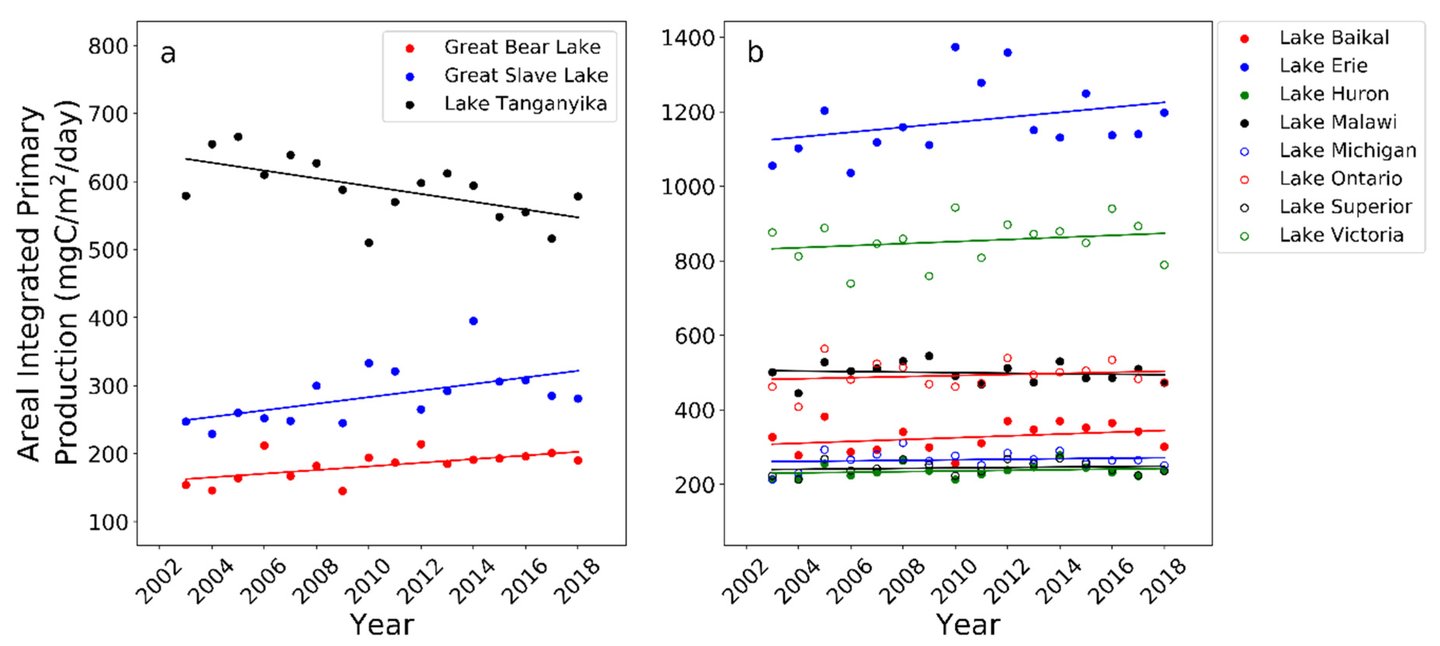
This warming could eventually alter Lake Michigan’s rate of primary productivity, which would inevitably disrupt the structure of its entire food web—a change that could have negative impacts on fisheries and recreation. “Without high-frequency long-term monitoring of subsurface waters of the world’s deep lakes,” says Anderson, “we will be blind to the impacts of climate change on most of Earth’s fresh surface water.”
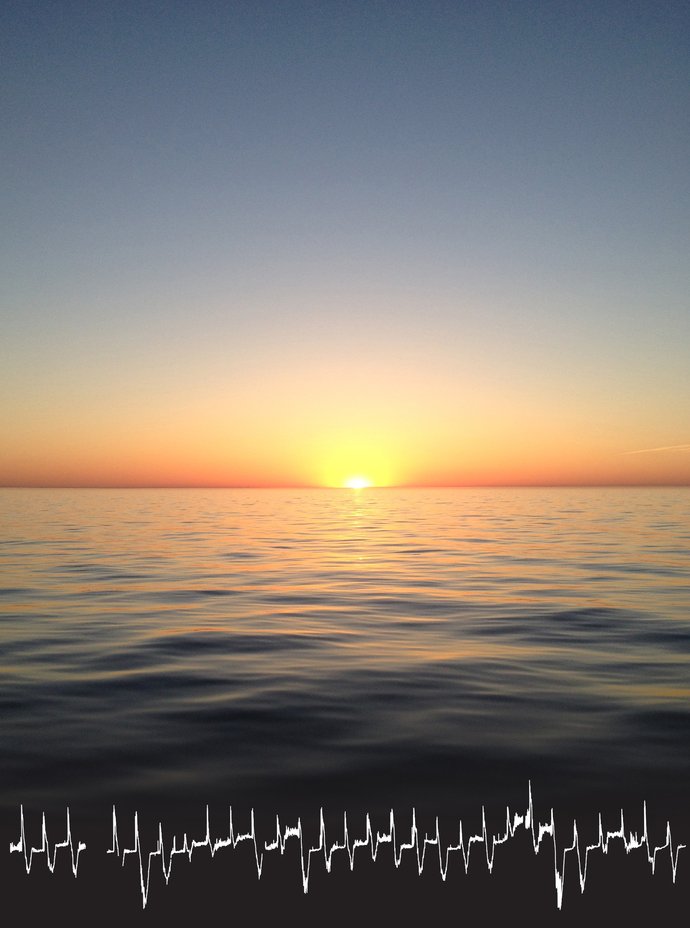
Subsurface waters in deep lakes are important because they integrate conditions across years, providing a “climate memory,” and can help identify the potential for ecological and physical changes throughout the lake. GLERL’s continuous long-term dataset—likely the only one of its kind—was collected using a mooring that has been recording temperatures at different depths in the lake every hour almost continuously for the past three decades.
The deep-water conditions of the Earth’s largest lakes are considered a missing piece of the global climate change puzzle. NOAA’s work on Lake Michigan will pave the way for gaining a better understanding of this puzzle piece in the future.
Collaborators include the University of Michigan School for Environment and Sustainability and the University of Toledo Department of Environmental Sciences.