
Spring 2024 • Issue 21
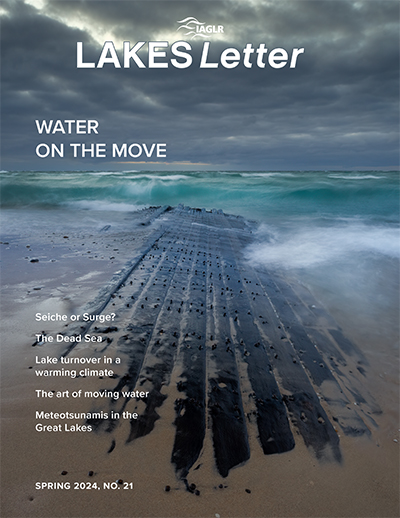
Water on the Move
Published May 2024
With the theme Water on the move, this issue examines the dynamic physical forces moving water through the Great Lakes. It clarifies the distinction between storm surges and seiches, explores the formation of massive salt deposits in the Dead Sea, and projects how warming climates may alter Lake Ontario's thermal stratification and mixing cycles. Additional topics include the hazards of meteotsunamis, the release of phosphorus during seiche events in coastal wetlands, and the tracking of plastic pollution using GPS-equipped drifters.
Looking for research on a specific topic?
Explore our Article Directory to filter all issues by topic, article type, region, or keyword. Or browse the Author Index to find a contributor.
Issues Archive

Spring 2026 • Issue 29
Great Lakes Policy

Winter 2026 • Issue 28
Large lakes of the world

Fall 2025 • Issue 27
Science & Innovation
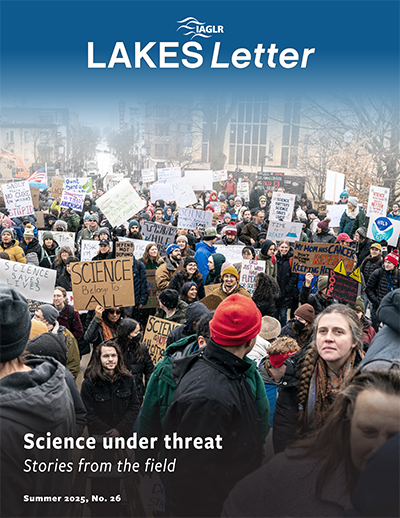
Summer 2025 • Issue 26
Science under threat: Stories from the field

Spring 2025 • Issue 25
Communicating Science

Winter 2025 • Issue 24
Science and Hope
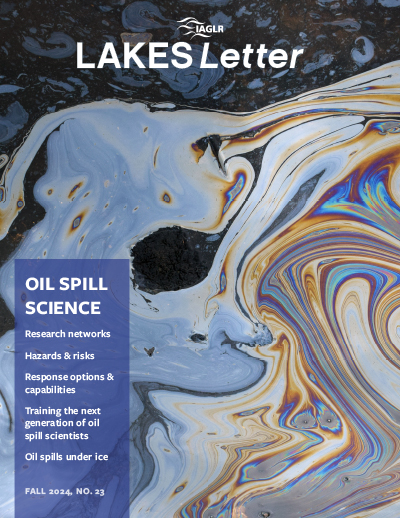
Fall 2024 • Issue 23
Oil Spill Science
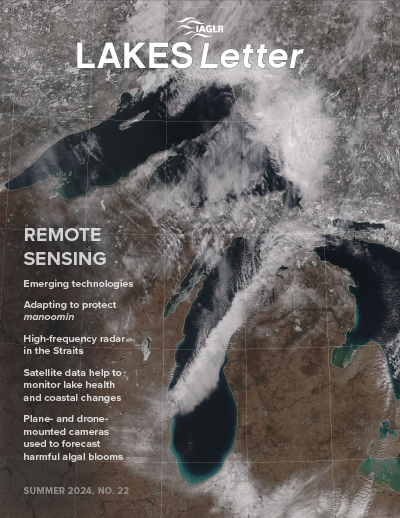
Summer 2024 • Issue 22
Remote Sensing
Spring 2024 • Issue 21
Water on the Move
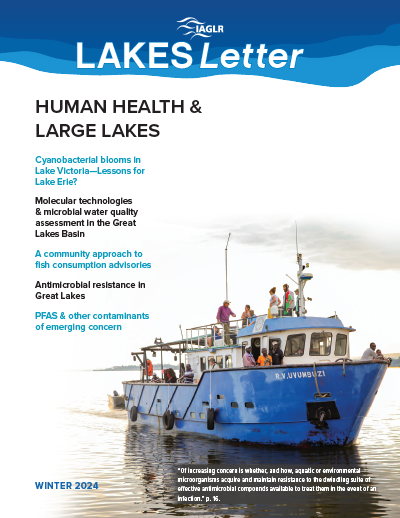
Winter 2024 • Issue 20
Human Health
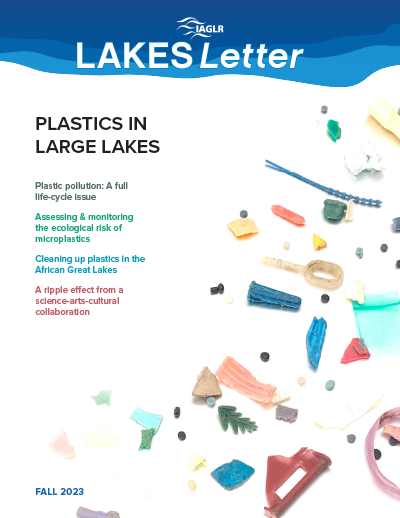
Fall 2023 • Issue 19
Plastic Pollution
Summer 2023 • Issue 18
Legal Frameworks
Spring 2023 • Issue 17
Acoustic Monitoring
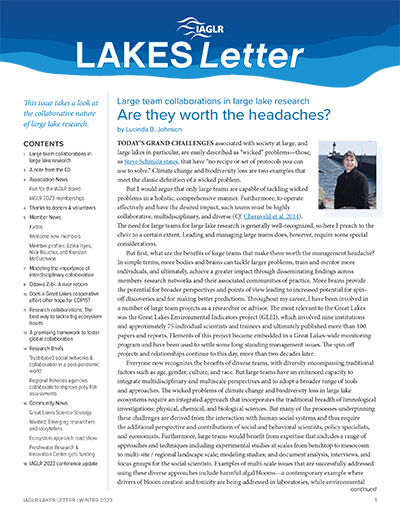
Winter 2023 • Issue 16
Collaborative Research
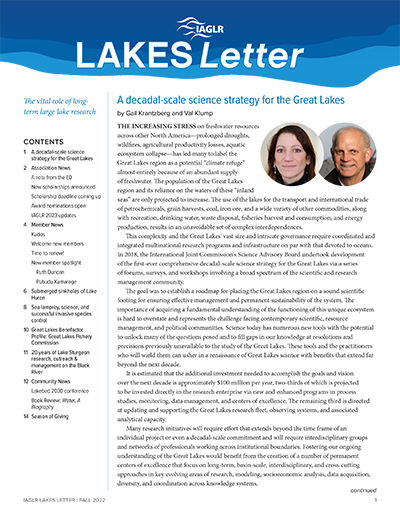
Fall 2022 • Issue 15
Long-term Research
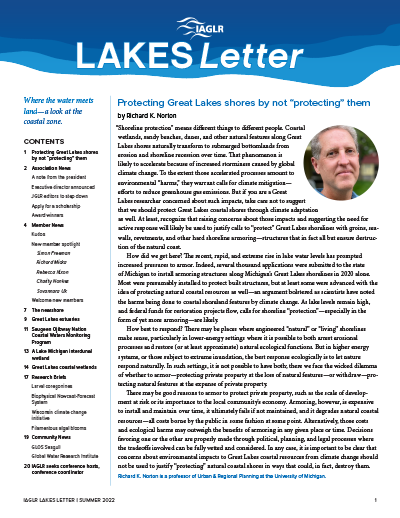
Summer 2022 • Issue 14
Coastal Zone
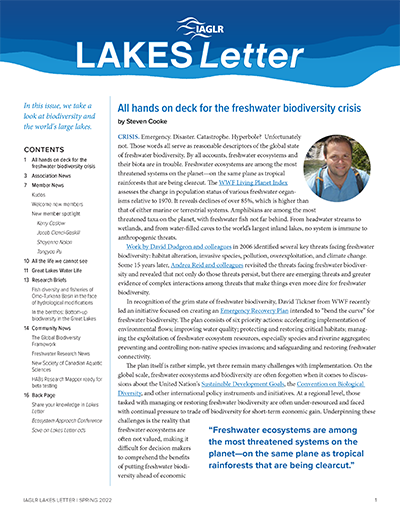
Spring 2022 • Issue 13
Biodiversity
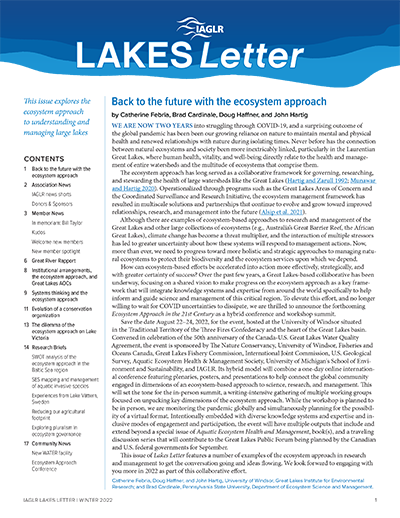
Winter 2022 • Issue 12
Ecosystem Approach
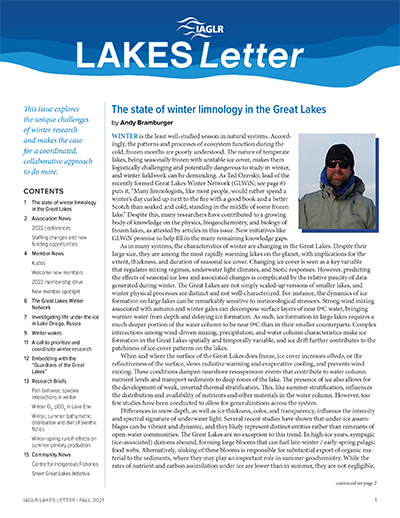
Fall 2021 • Issue 11
Winter Research
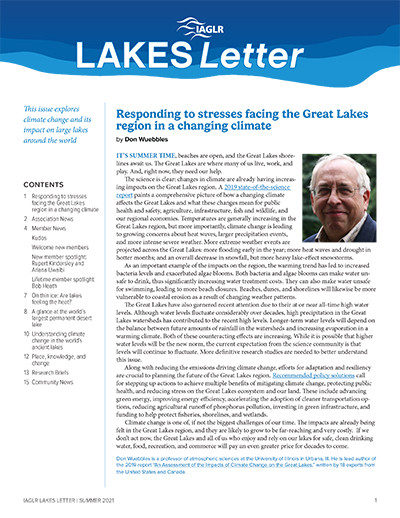
Summer 2021 • Issue 10
Climate Change
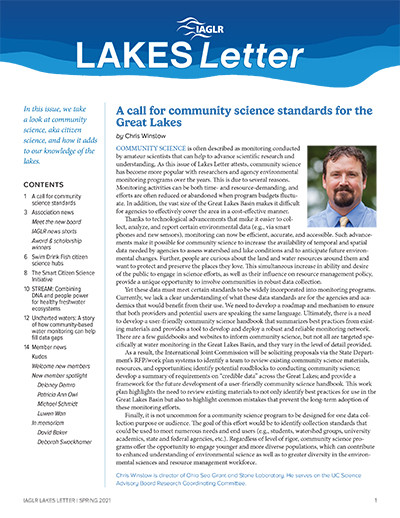
Spring 2021 • Issue 9
Community Science (Citizen Science)
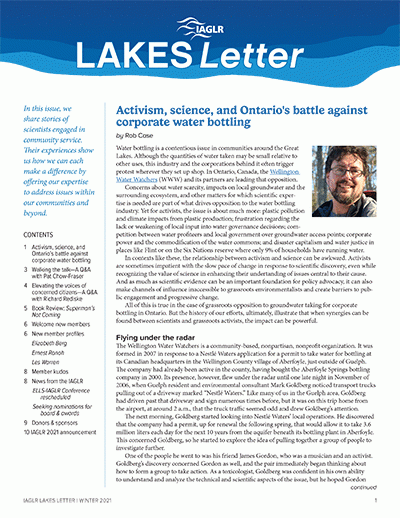
Winter 2021 • Issue 8
Community Service
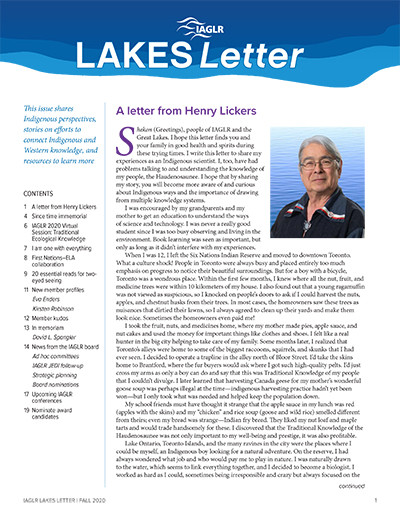
Fall 2020 • Issue 7
Indigenous Knowledge
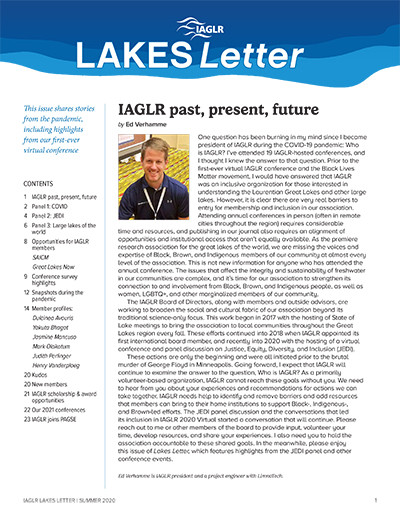
Summer 2020 • Issue 6
Pandemic, Conference Highlights
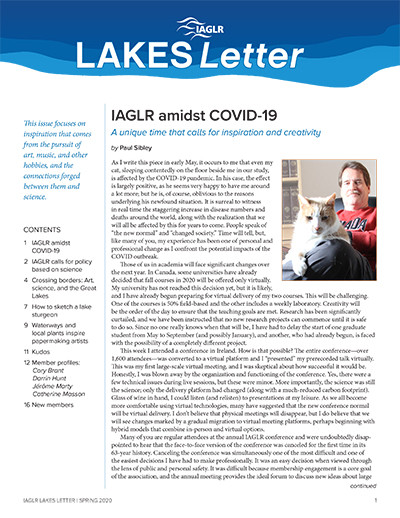
Spring 2020 • Issue 5
Arts and Science
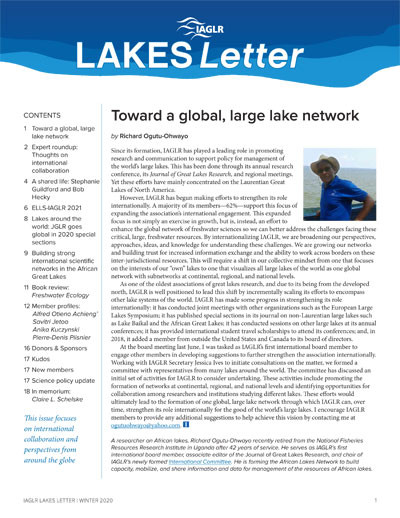
Winter 2020 • Issue 4
International Collaboration
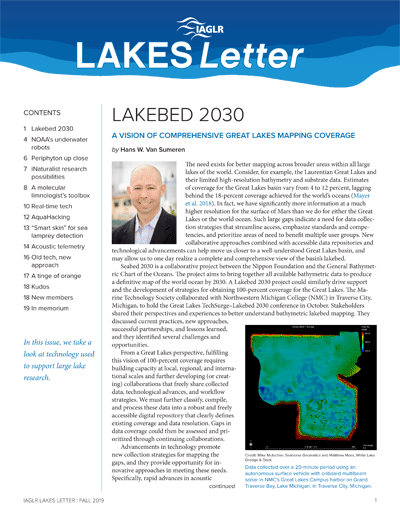
Fall 2019 • Issue 3
Technology
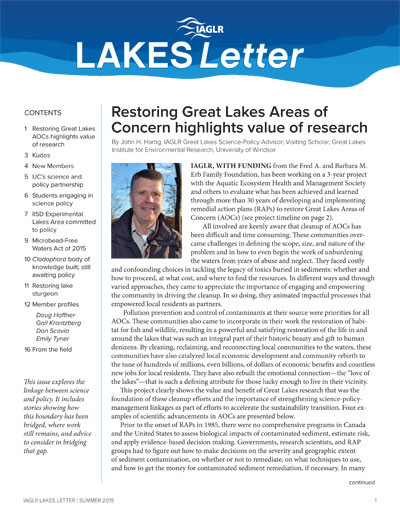
Summer 2019 • Issue 2
Science and Policy
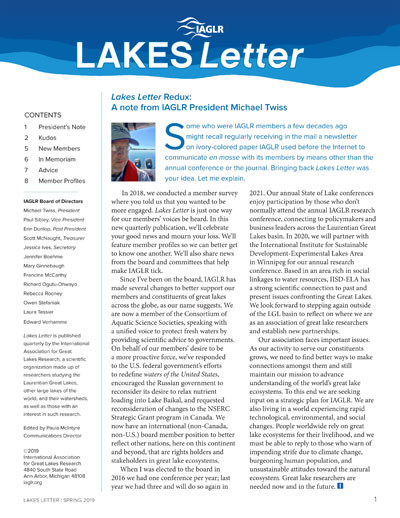
Spring 2019 • Issue 1
Lakes Letter Redux