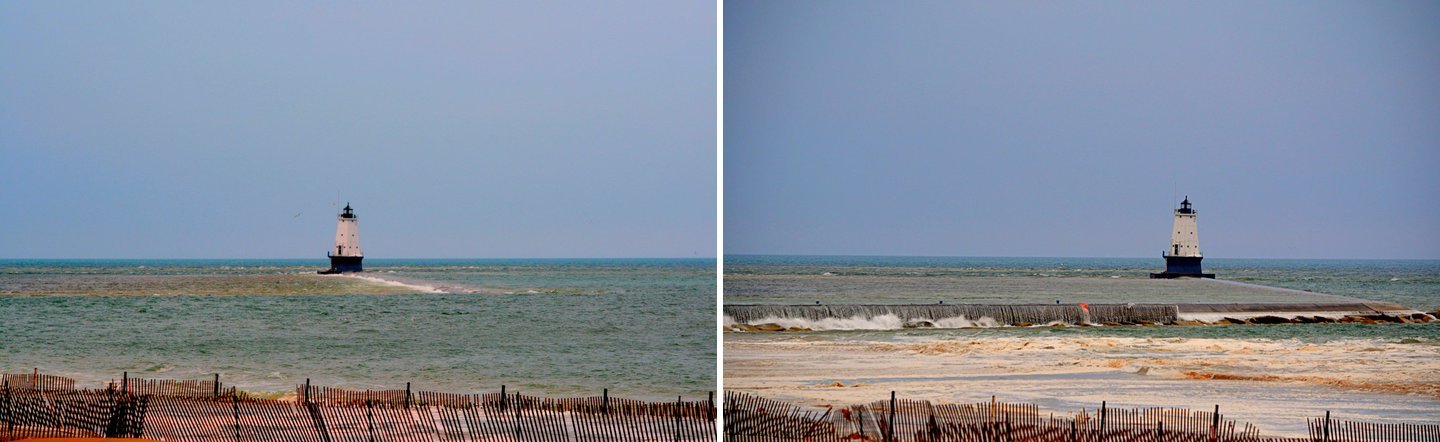
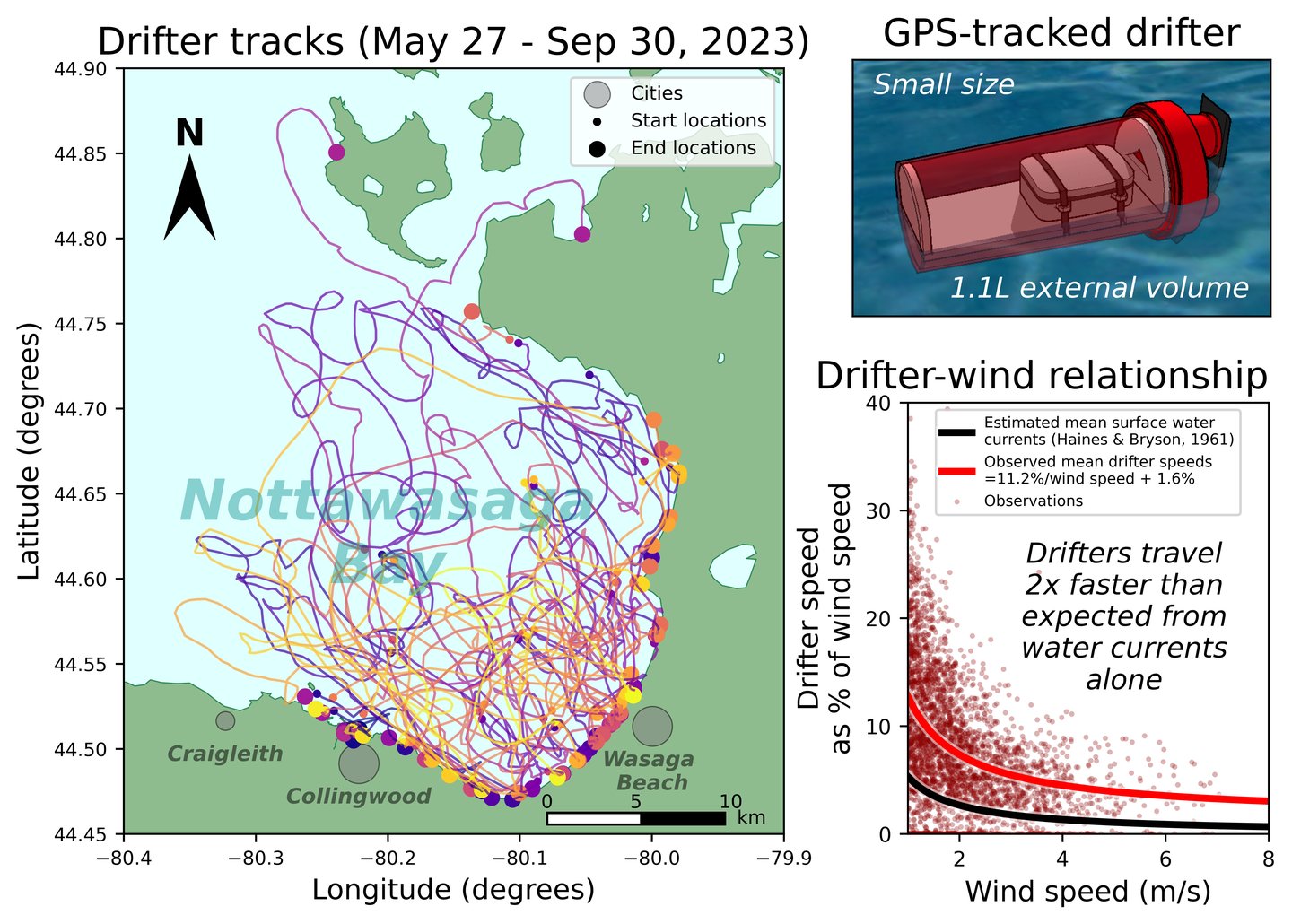
Coastal wetlands provide essential ecosystem services that enhance nearshore water quality by regulating biogeochemical processes (e.g., phosphorous dynamics). As water moves through a coastal wetland, nutrients, especially phosphorus, are reduced by sedimentation and uptake / assimilation into aquatic communities reducing their delivery to the coastal zone of the Great Lakes.
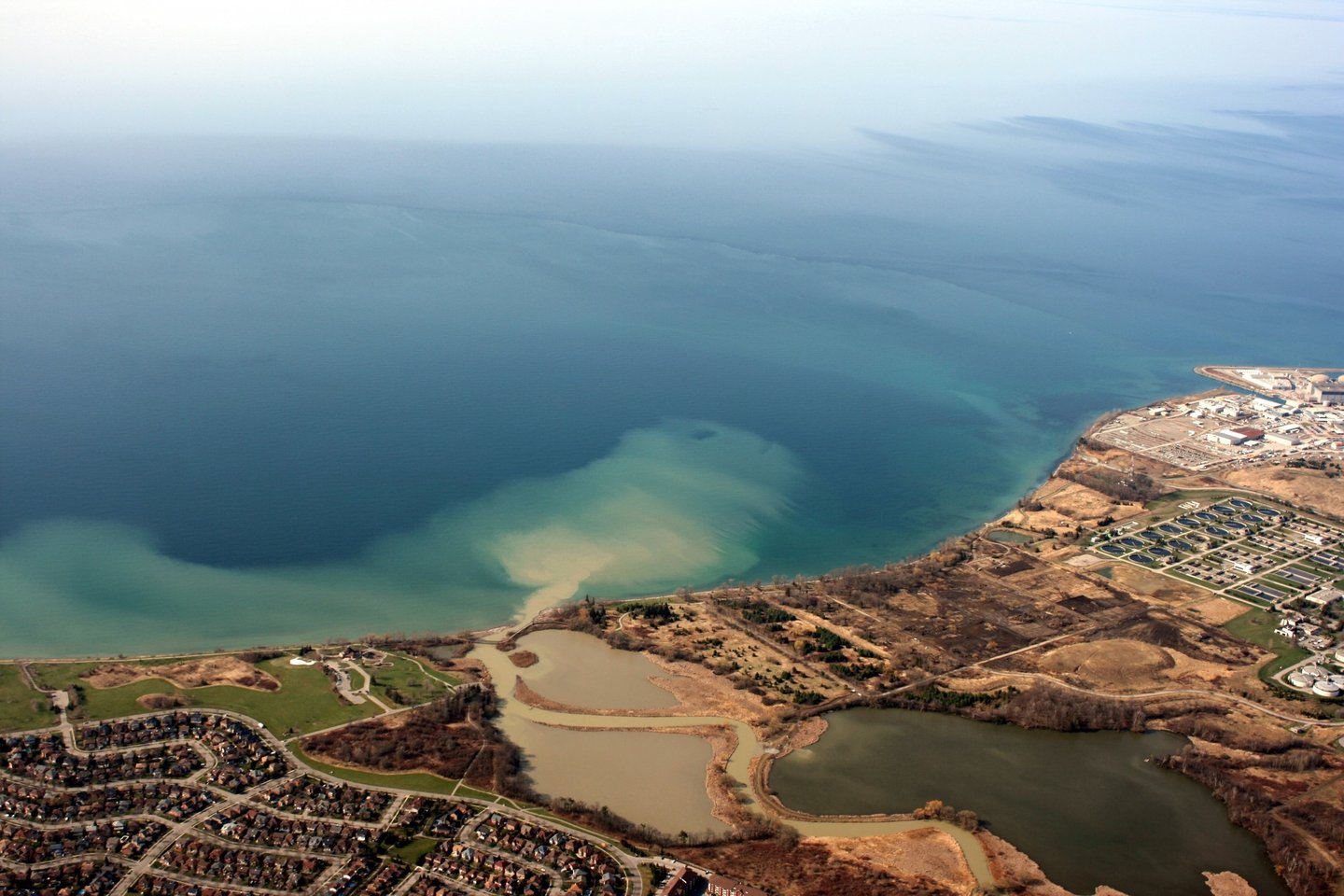
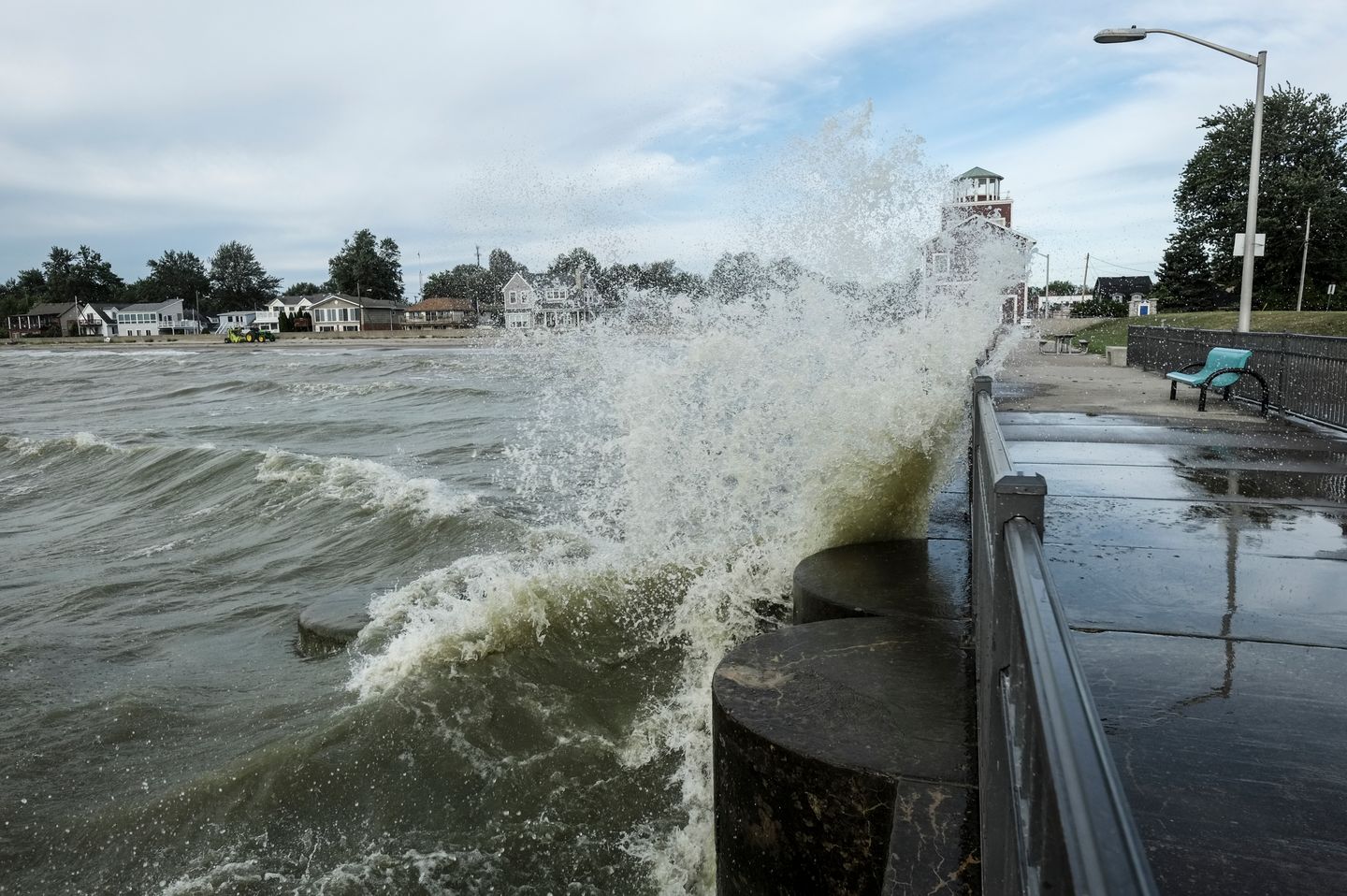
However, coastal wetlands can periodically be inundated with lake water from seiche (also known as standing wave) events. Seiches occur when strong winds and changing atmospheric pressure during storm events force large-scale lake water movement. As such, little is known about how seiches affect nutrient dynamics and fate in coastal wetlands, including net loadings to the coastal zone. Generating accurate estimates for nutrient loadings into Lake Ontario is essential for a fulsome understanding of potential nutrient sources, especially under the Great Lakes Water Quality Agreement (Annex 4).
An alternative process-based statistical model was created and identified that weather-induced seiche events and increased water movement amplified phosphorous loadings to the coastal zone of Lake Ontario. As water moves into coastal wetlands during seiche events, resuspension of sediments can occur like a tidal bore. Nutrients, such as phosphorus, sequestered in sediments are then released into the water column. When the water reverses flow direction, the resuspended nutrients are transported into Lake Ontario. As a result, this hydrological phenomenon impacts the nutrient retention capacity of coastal wetlands. With climate change intensifying the frequency of storm events across the Great Lakes Basin, seiche-induced inundation of coastal wetlands will pose a greater concern for nutrient processing and fate, facilitating localized phosphorous inputs to the coastal zone (Harrow-Lyle et al. 2023).