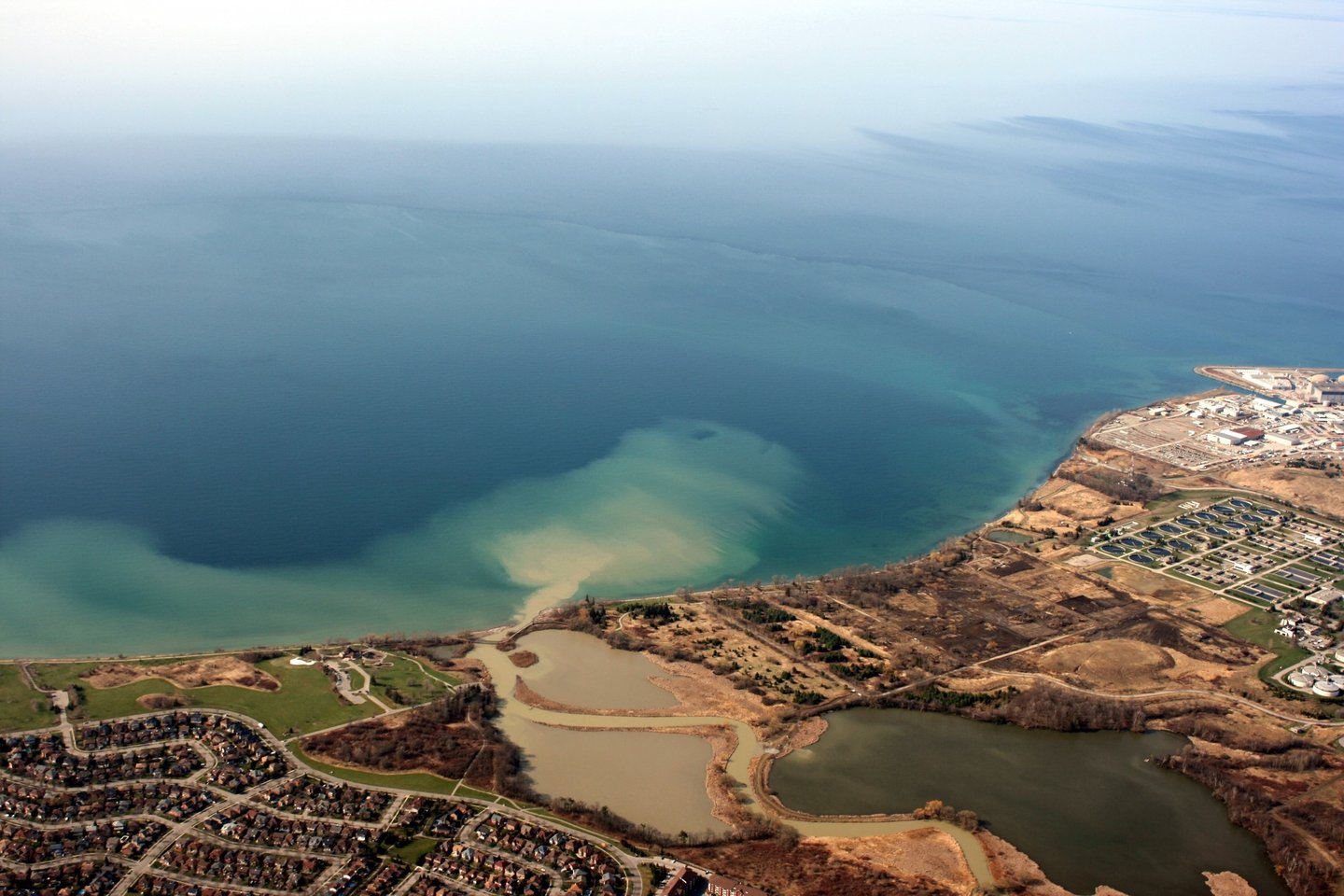
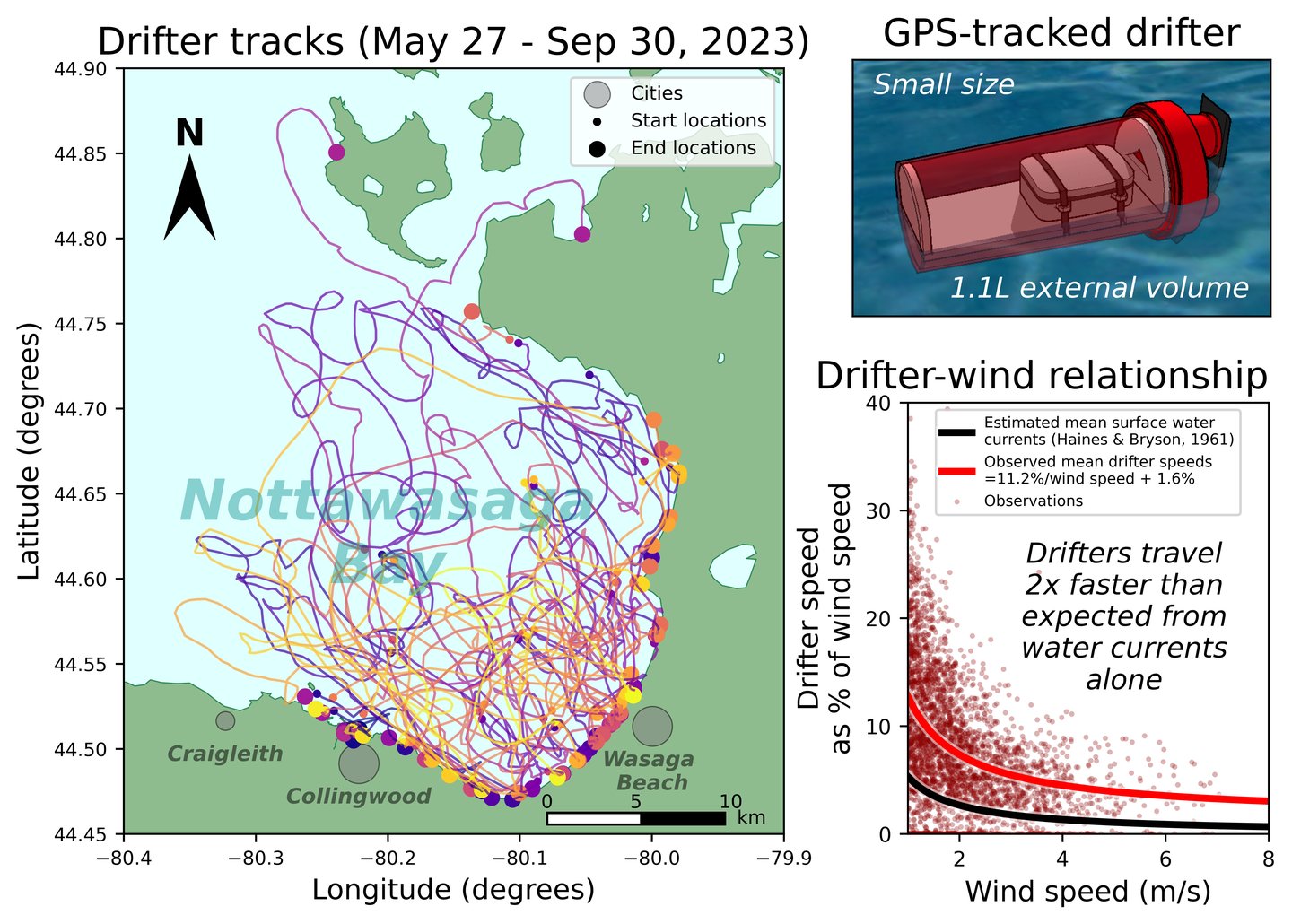
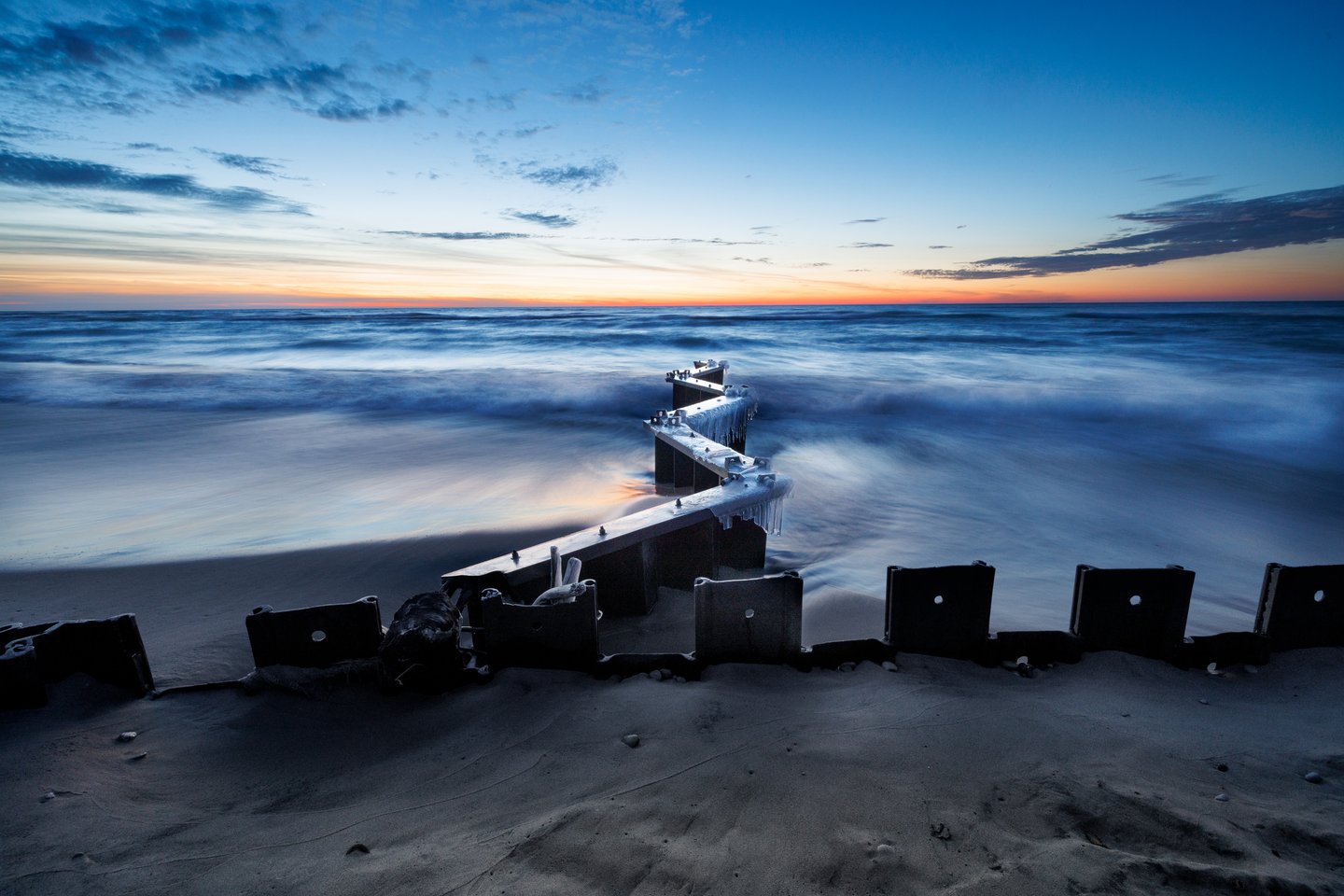
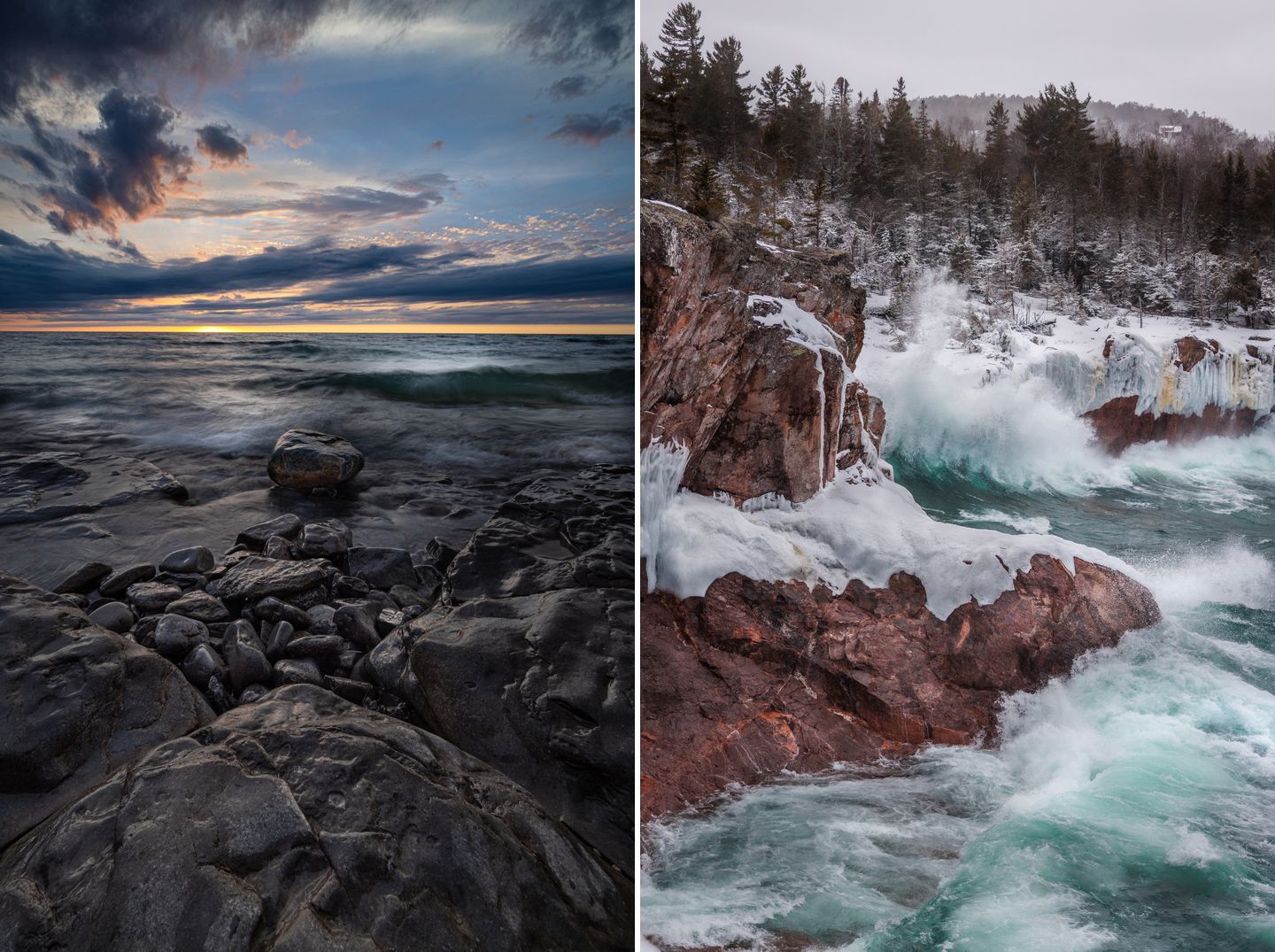
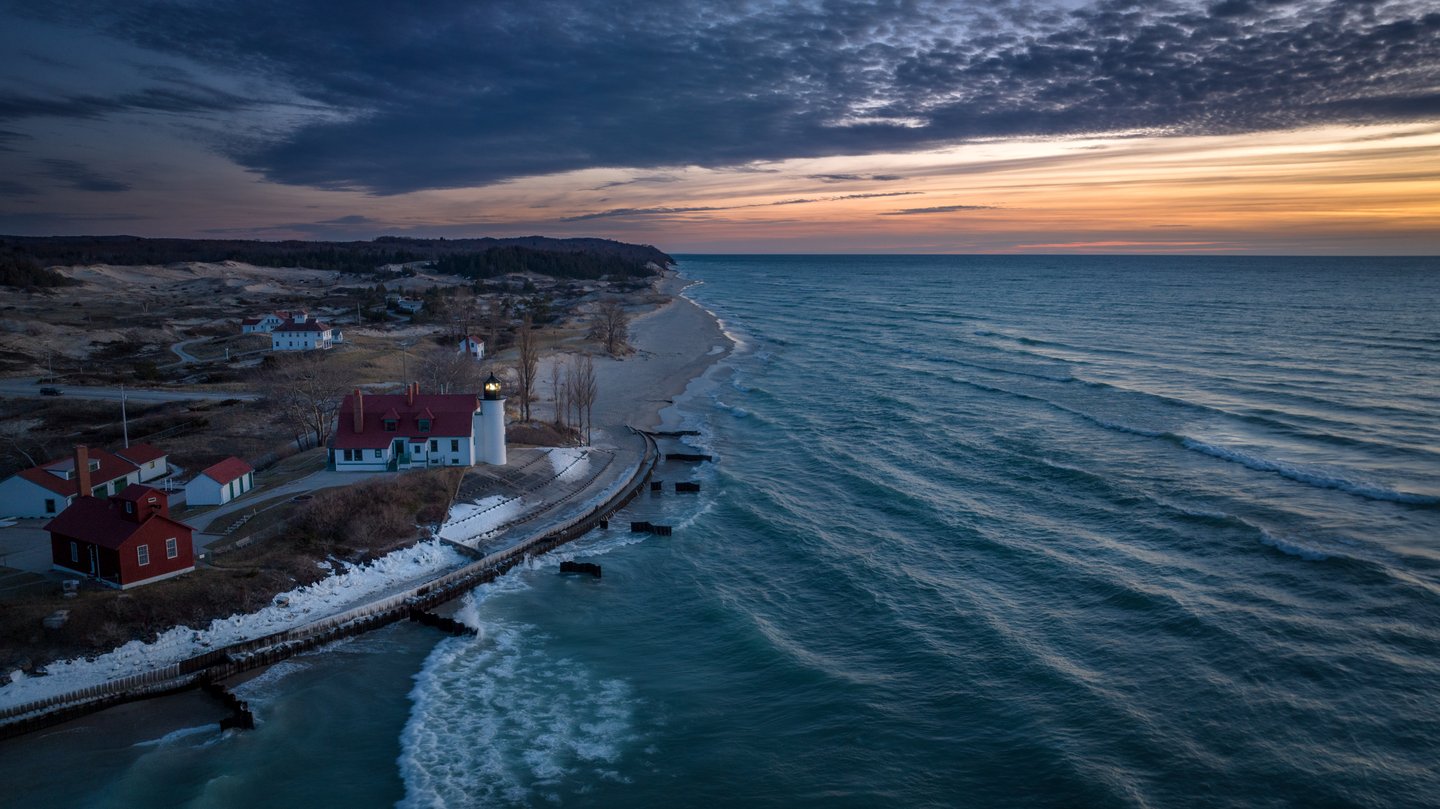
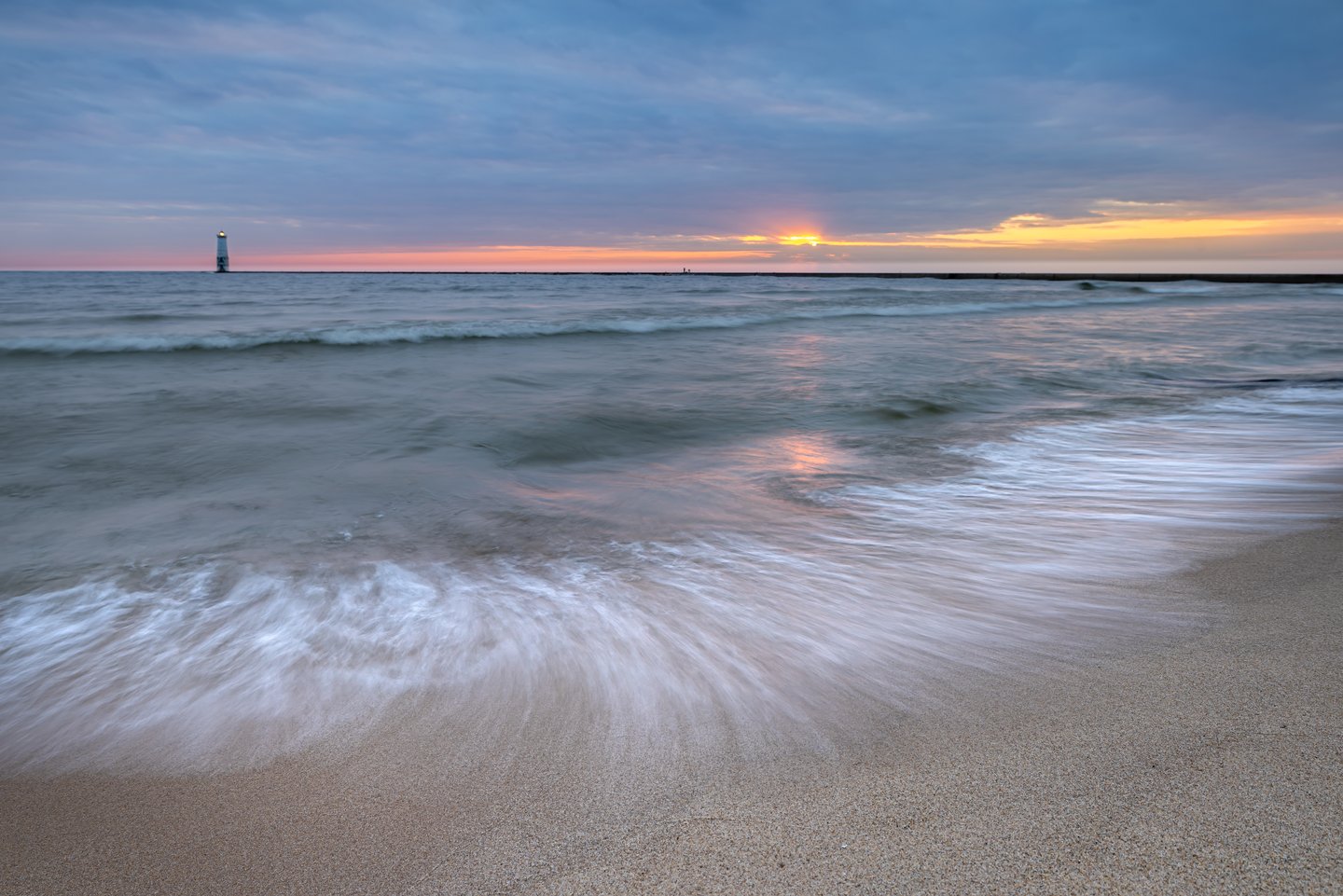
Living near the Great Lakes instills in us a deep affinity for the water. It evokes a desire to either glide atop its surface or plunge beneath it. Avid photographer and sailor Christopher Lamb can often be found aiming his camera at the lakes. He captured the cover photo of the Spring 2024 issue as well as the images in this article. Lamb also shares a favorite story of a memorable sailing race when the water was on the move.
When the big lakes are on the move, seasoned sailors take it seriously
I've had the privilege of participating in numerous Chicago to Mackinac sailboat races, a course that extends from Chicago 333 miles north to the top of Lake Huron, terminating at Mackinac Island. This year marks my 20th race, having served as both captain and crew. The lakes possess their own unique temperament, with each year bringing radically different conditions. It's not uncommon for the lakes to conjure their own weather, influencing sailors and navigators across their vast expanses as they sail northward.
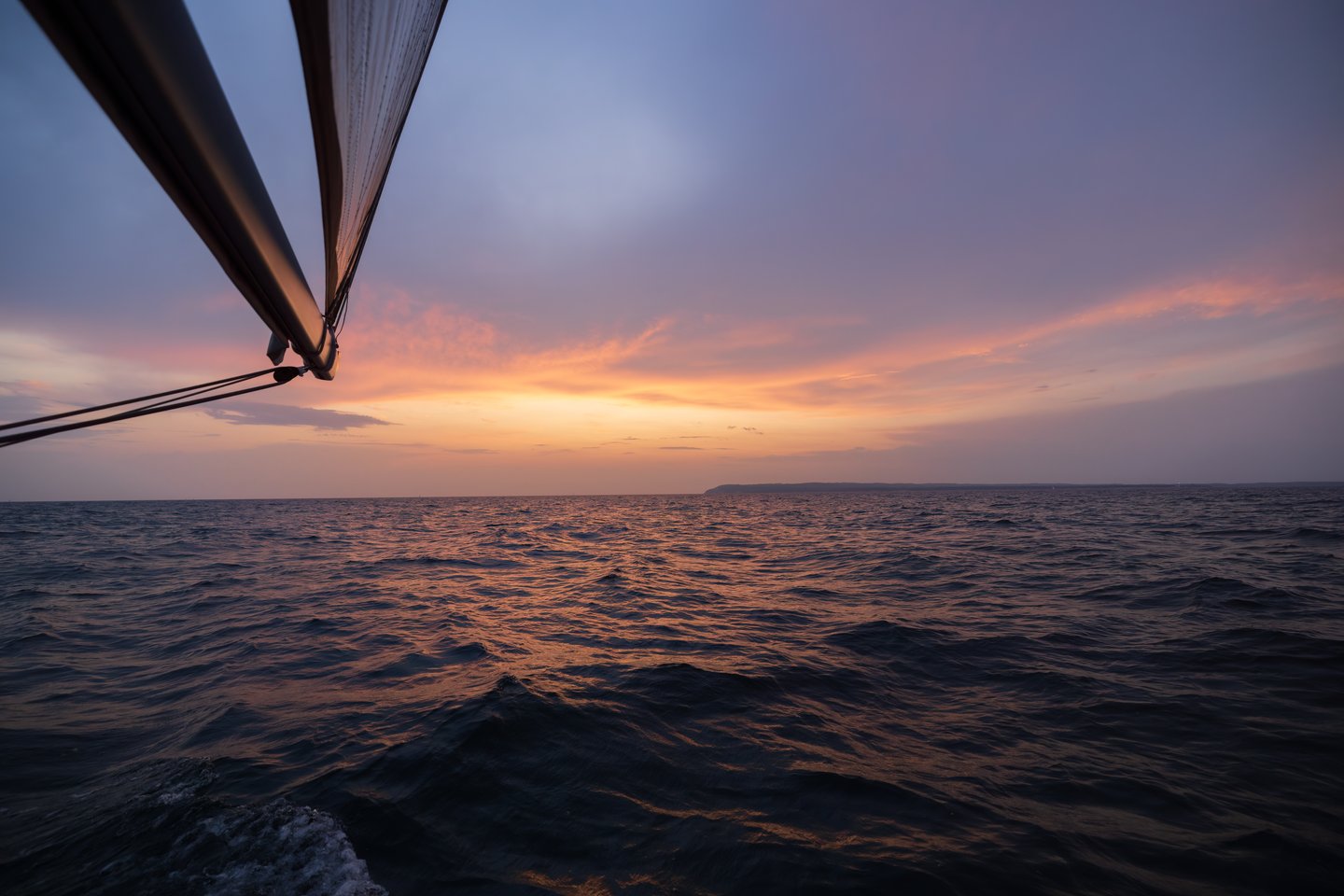
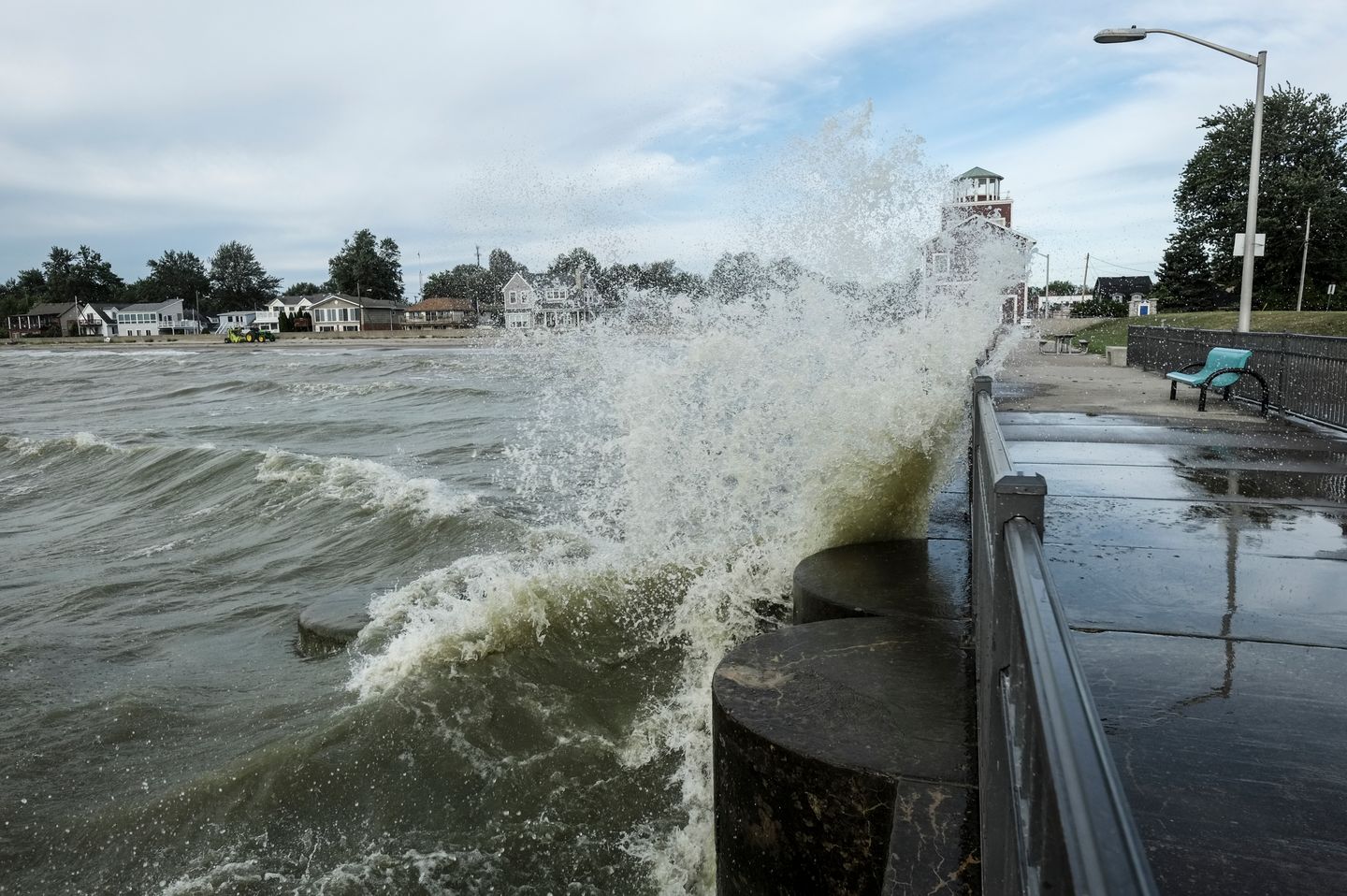
Among the many races etched in my memory, 2018 stands out for its demonstration of the lakes’ intriguing nature. A powerful northerly wind pattern whipped across Lake Michigan, generating waves that continued to build over its entire length of nearly 310 miles, culminating in a tumultuous start to the race and tragically, the loss of life for the second time in its history.
During summer, Lake Michigan’s surface water is warm, while its depths grow progressively colder. However, this race presented a unique scenario where warm surface water had been displaced to the southern reaches of the lake, essentially being “pushed” from the north all the way to the Chicago area. Enduring 35 hours of being doused with warm water wasn’t the most pleasant experience, even for seasoned sailors with great gear. This displacement, known as upwelling, brought colder water to the surface of northern Lake Michigan, ushering in its own weather dynamics including stiff winds and unexpected fog as we headed north.
The sight of other sailboats was reduced to mere silhouettes gliding through the thick fog, an eerie yet incredibly unique spectacle from our vantage point on the sailboat’s rail. The colder waters brought with them chilly air, catching many off guard with rapidly changing conditions.
To label Lake Michigan simply as a “freshwater lake” would be accurate but insufficient. The Great Lakes are better described as inland oceans, deserving our respect.