spring 2026 • Issue 29
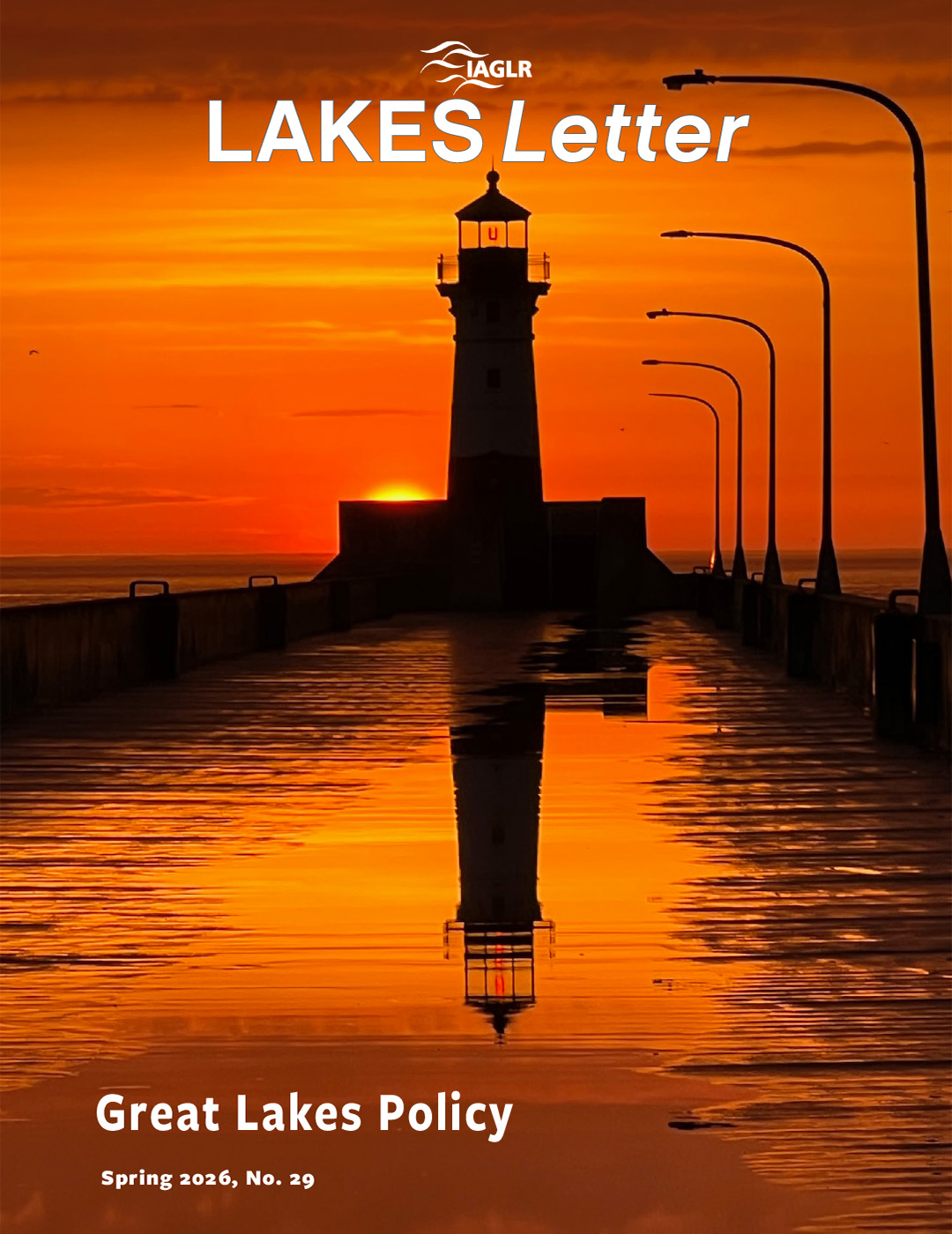
Great Lakes Policy
Published May 2026
This issue explores the policy, science, and governance challenges shaping the Laurentian Great Lakes today. From the growing water demands of data centers to road salt pollution and changing federal priorities, these stories examine the decisions that will define the region's future.
Features
Connecting global science to local action: How IPBES & Indigenous knowledge are together reshaping Great Lakes policy
A new way of working together for effective science policy connects global biodiversity science with local action, centering Indigenous knowledge to drive transformative change across the Great Lakes basin.
Incorporating climate risks in the management of Great Lakes water
New policies that anticipate future conditions rather than react to past patterns require climate-informed planning and nature-based solutions to ensure long-term water security and equity.
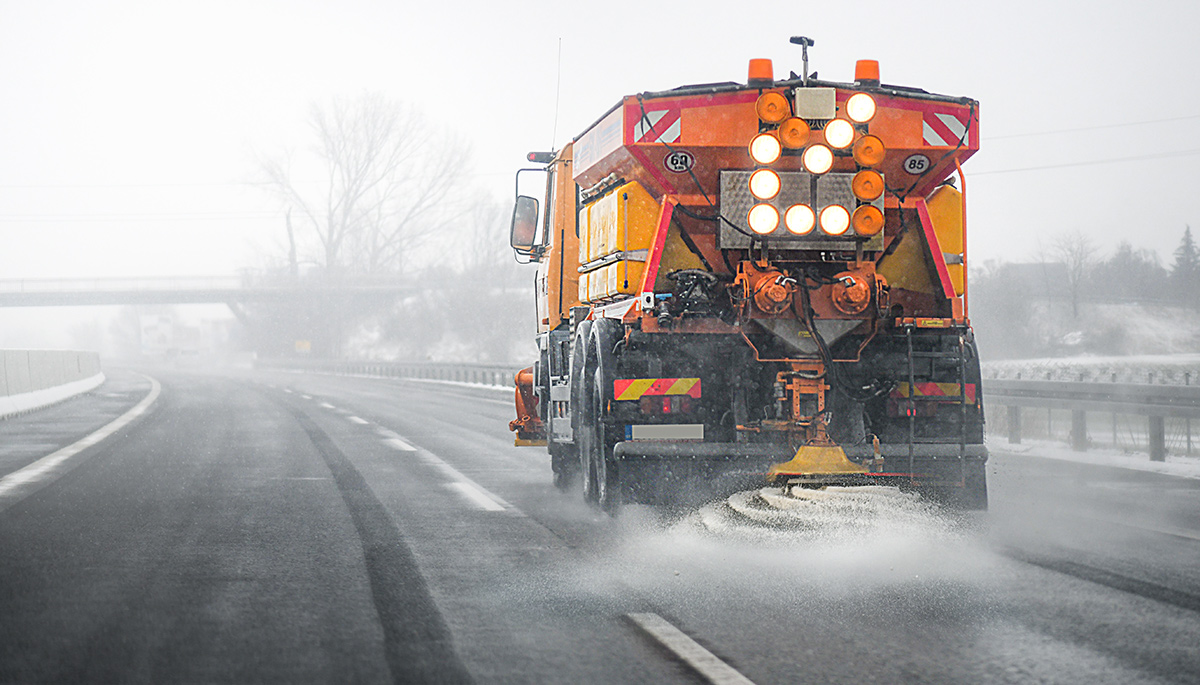
On the road to disaster: How road salt policy gaps are threatening the Great Lakes
Road salt is is accumulating in the Great Lakes, threatening aquatic life and groundwater. Regulations and liability reform are needed.
A snapshot of Great Lakes conditions
Report reveals progress in reducing toxins and invasive species introductions but warns of persistent challenges like algal blooms and habitat loss.
Great Lakes region needs data center transparency
Rapid data center expansion threatens Great Lakes water resources, calling for transparency and multilevel regulation to safeguard this finite freshwater system.
Sustaining the Great Lakes–St. Lawrence Region
The Great Lakes–St. Lawrence region must treat freshwater as critical infrastructure. Strategic integration of stewardship, climate resilience, and trade ensures long-term economic competitiveness and ecological health.
It’s our turn: Stepping into Great Lakes governance
U.S. federal cuts erode Great Lakes protections, but resilient governance remains. Now, it's time to evolve.
Departments
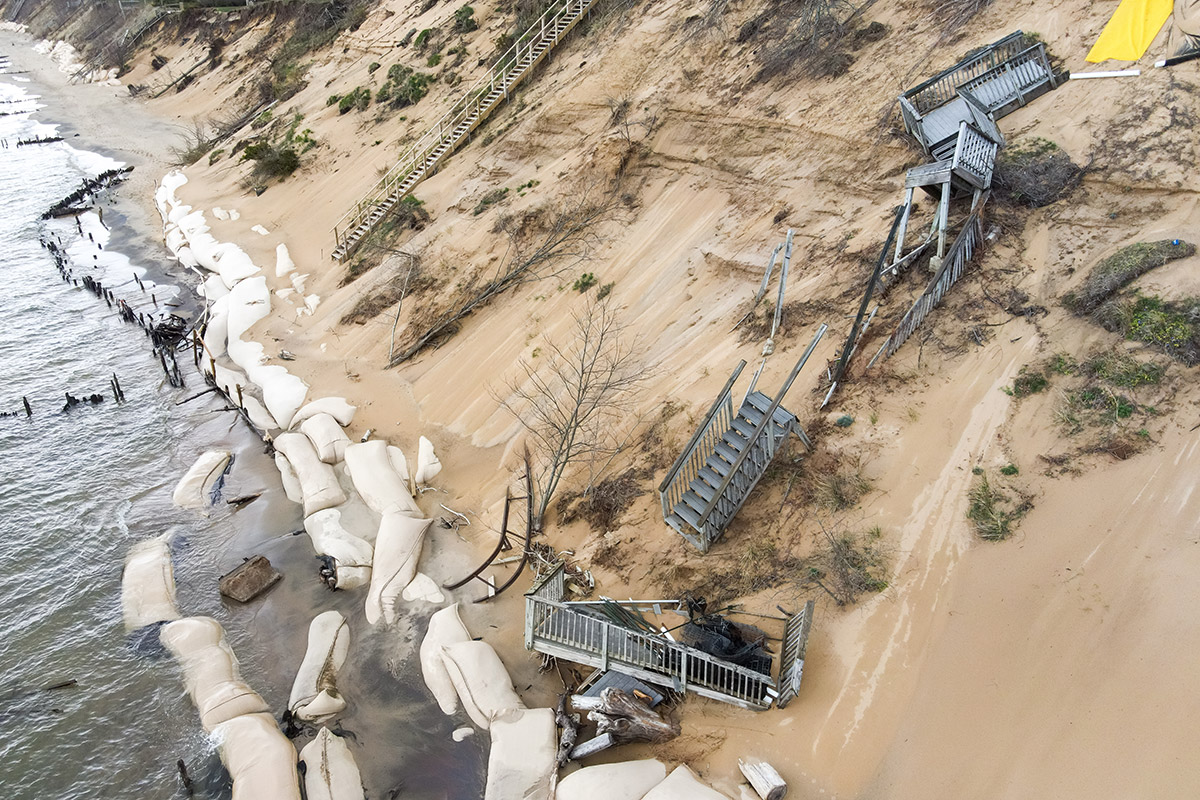
Bridging policy and practice in New York State: Barriers to shoreline adaptation along Lake Ontario
Despite policy shifts, shoreline hardening dominates Lake Ontario. Structural limits, fragmented governance, and path dependency block nature-based adaptation and resilient land use.
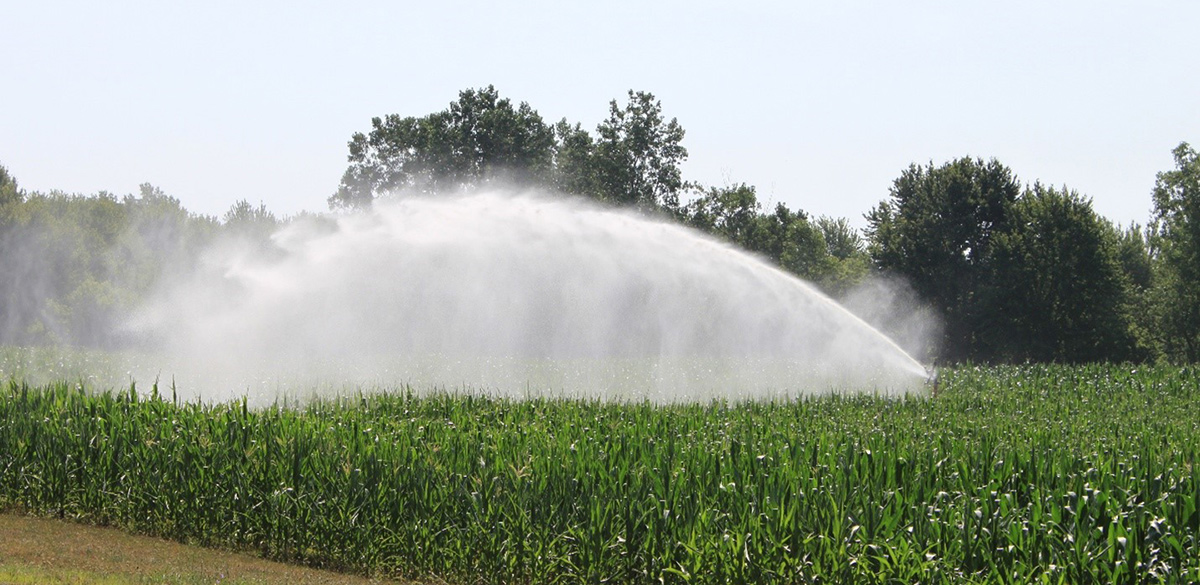
Securing the sustainability of Great Lakes basin groundwater resources
Groundwater, the "sixth Great Lake," faces rising demand from agriculture and technology. Improved data and coordinated policy are vital for long-term sustainability.
Looking for research on a specific topic?
Explore our Article Directory to filter all issues by topic, article type, region, or keyword. Or browse the Author Index to find a contributor.
Issues Archive
Great Lakes Policy
spring 2026 • Issue 29
Large lakes of the world
winter 2026 • Issue 28
Science & Innovation
fall 2025 • Issue 27
Science under threat: Stories from the field

Summer 2025 • Issue 26
Communicating Science
Spring 2025 • Issue 25
Science and Hope
Winter 2025 • Issue 24
Oil Spill Science
Fall 2024 • Issue 23
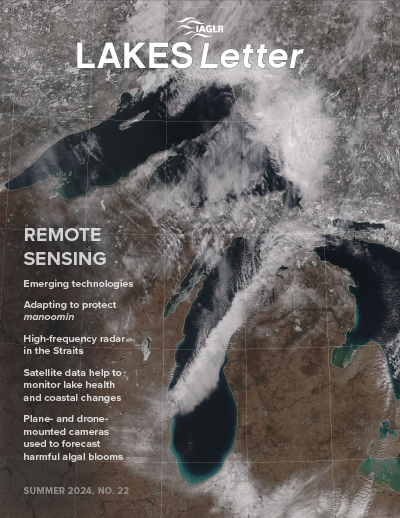
Remote‑Sensing
Summer 2024 • Issue 22
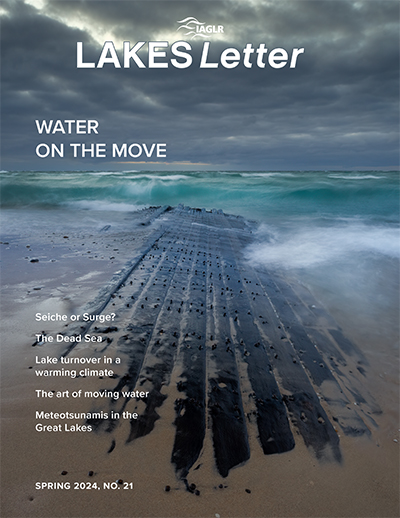
Water on the Move
Spring 2024 • Issue 21
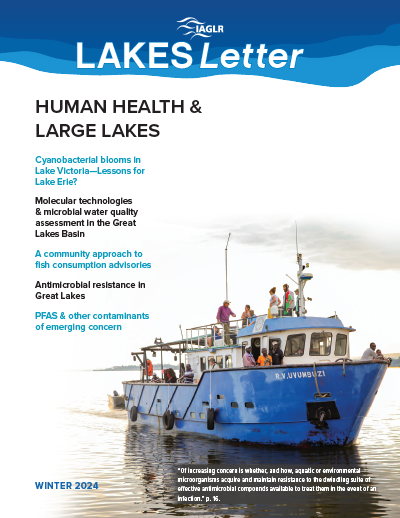
Human Health
Winter 2024 • Issue 20
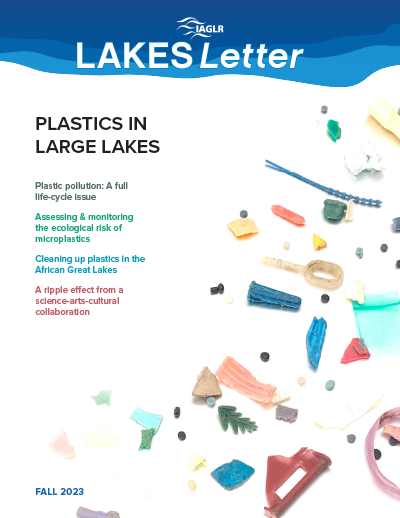
Plastic Pollution
Fall 2023 • Issue 19
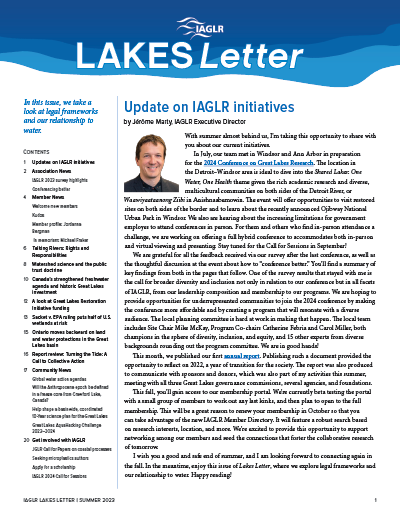
Legal Frameworks
Summer 2023 • Issue 18
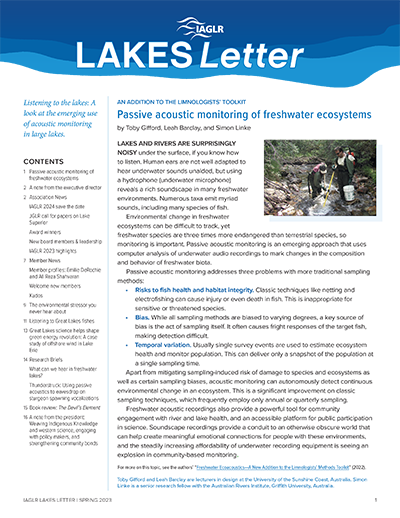
Acoustic Monitoring
Spring 2023 • Issue 17
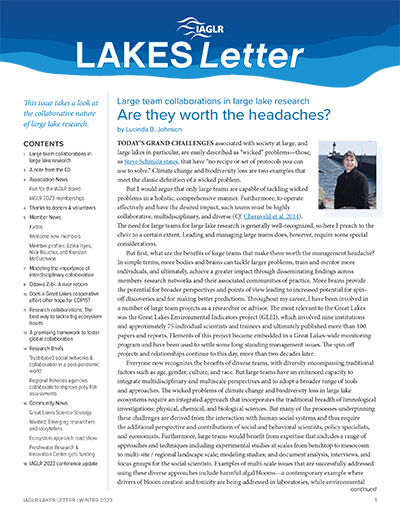
Collaborative Research
Winter 2023 • Issue 16
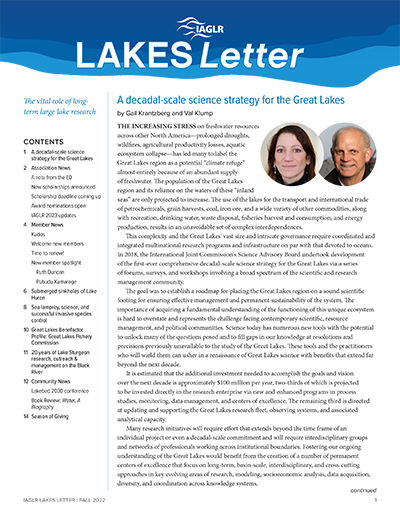
Long-term Research
Fall 2022 • Issue 15
Coastal Zone
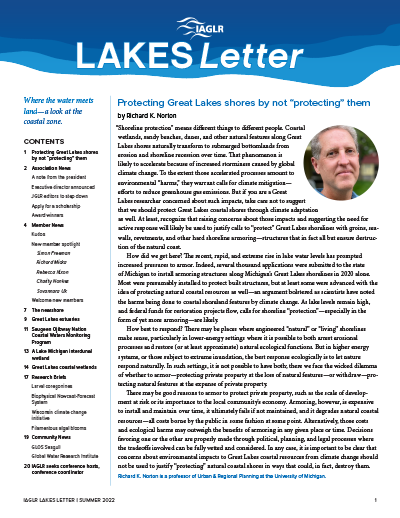
Summer 2022 • Issue 14
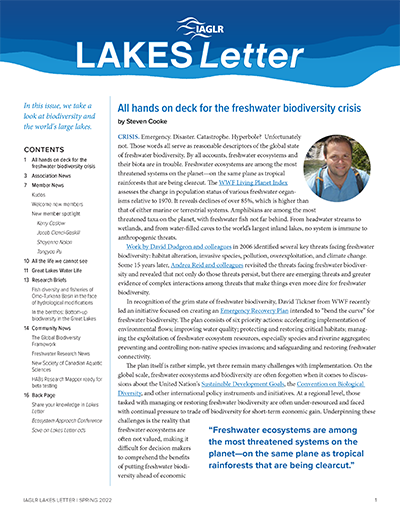
Biodiversity
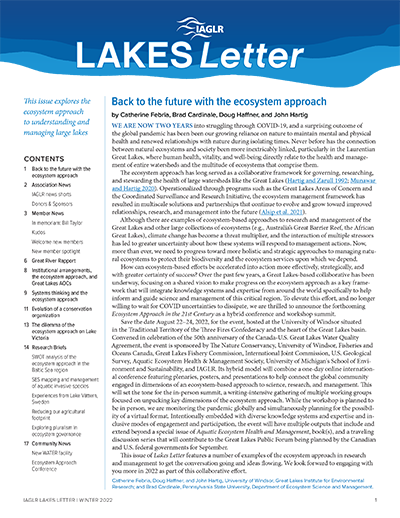
Spring 2022 • Issue 13
Ecosystem Approach
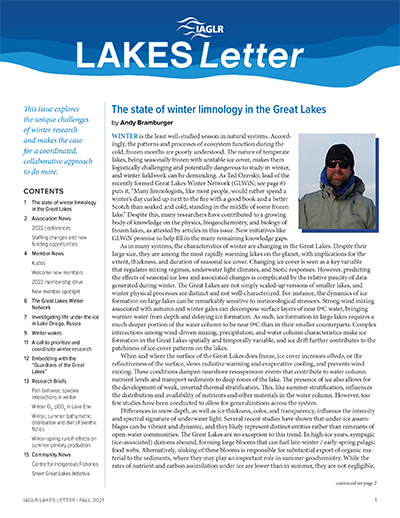
Winter 2022 • Issue 12
Winter Research
Fall 2021 • Issue 11
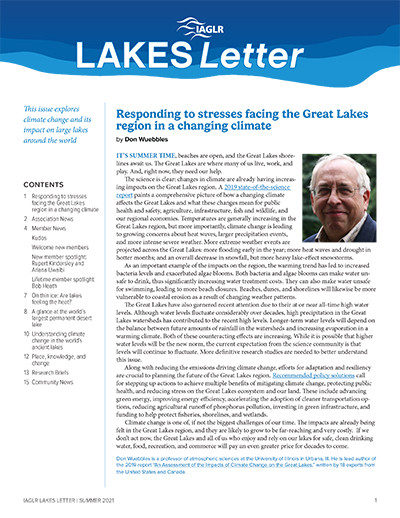
Climate‑Change Impacts
Summer 2021 • Issue 10
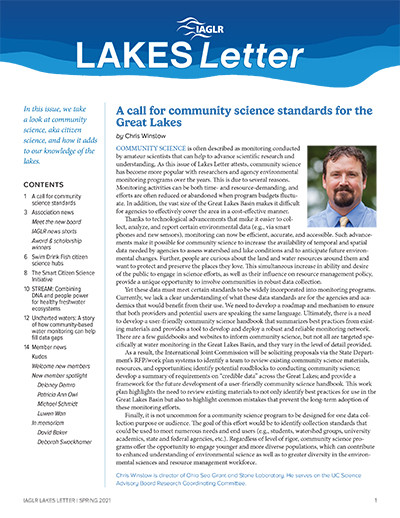
Community Science (Citizen Science)
Spring 2021 • Issue 9
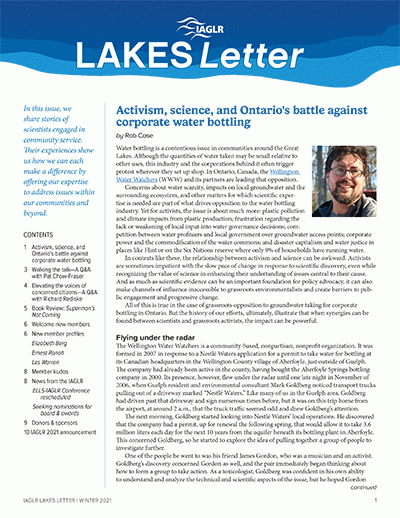
Community Service
Winter 2021 • Issue 8
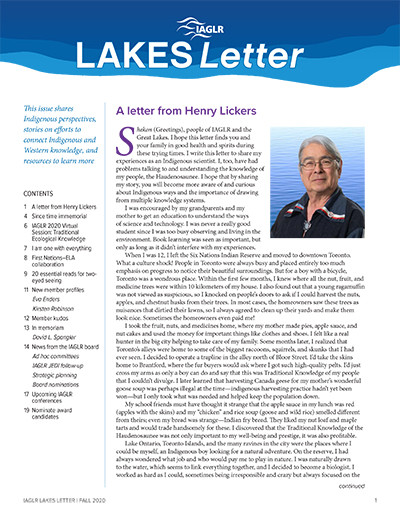
Indigenous Knowledge
Fall 2020 • Issue 7
Pandemic, Conference Highlights
Summer 2020 • Issue 6
Arts and Science
Spring 2020 • Issue 5
International Collaboration
Winter 2020 • Issue 4
Technology
Fall 2019 • Issue 3
Science and Policy
Summer 2019 • Issue 2
Lakes Letter Redux
Spring 2019 • Issue 1