The State of the Great Lakes 2025 Report provides a science-based snapshot of ecosystem health across the basin. Prepared by Canada and the United States under the 2012 Great Lakes Water Quality Agreement, the report describes basinwide trends, highlights lake-specific conditions, and tracks progress toward the Agreement’s general objectives.
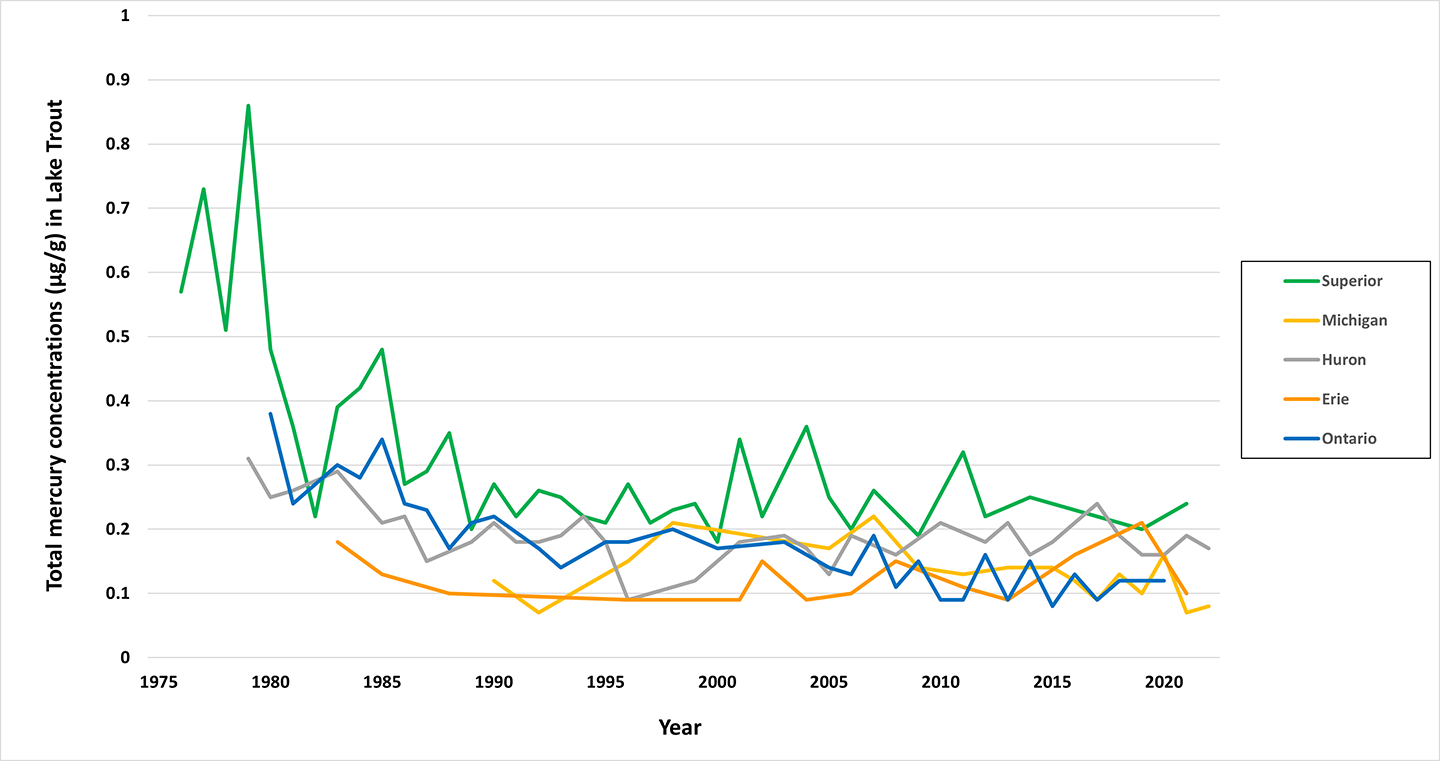
To assess those objectives, the 2025 report uses nine indicators supported by over 40 subindicators. Together, they show both progress and continuing challenges. The report points to major gains in restoring and protecting the Great Lakes, including basinwide reduction in toxic chemicals in the environment and food web (for example, see figure below showing mercury concentrations in lake trout) as well as a decline in the rate of new non-native aquatic species entering the basin. At the same time, it shows that ecosystem stressors vary widely across the basin, and this variability is reflected in indicator assessments and ecosystem conditions.
The first three general objectives focus on how people use the Great Lakes, including as sources of drinking water, recreation, and fish for consumption. Overall, the Great Lakes continue to provide safe sources of drinking water, recreation, and food, although some local advisories remain in place.
The lake-specific nature of ecosystem stressors is especially clear through the findings of the Habitat and Species indicator. Each lake contains a mix of healthy and degraded habitats and food web components. For example, lakes Michigan and Huron contain some of the basin’s healthiest coastal wetlands, yet they also have the lowest aquatic habitat connectivity among the Great Lakes. Populations of Diporeia, an important food source for fish, have declined sharply in all lakes except Lake Superior. Lake Superior is also the only lake where lake trout populations are considered fully recovered. By contrast, the walleye population in Lake Superior remains below target, while the Lake Erie population is at nearly record levels.
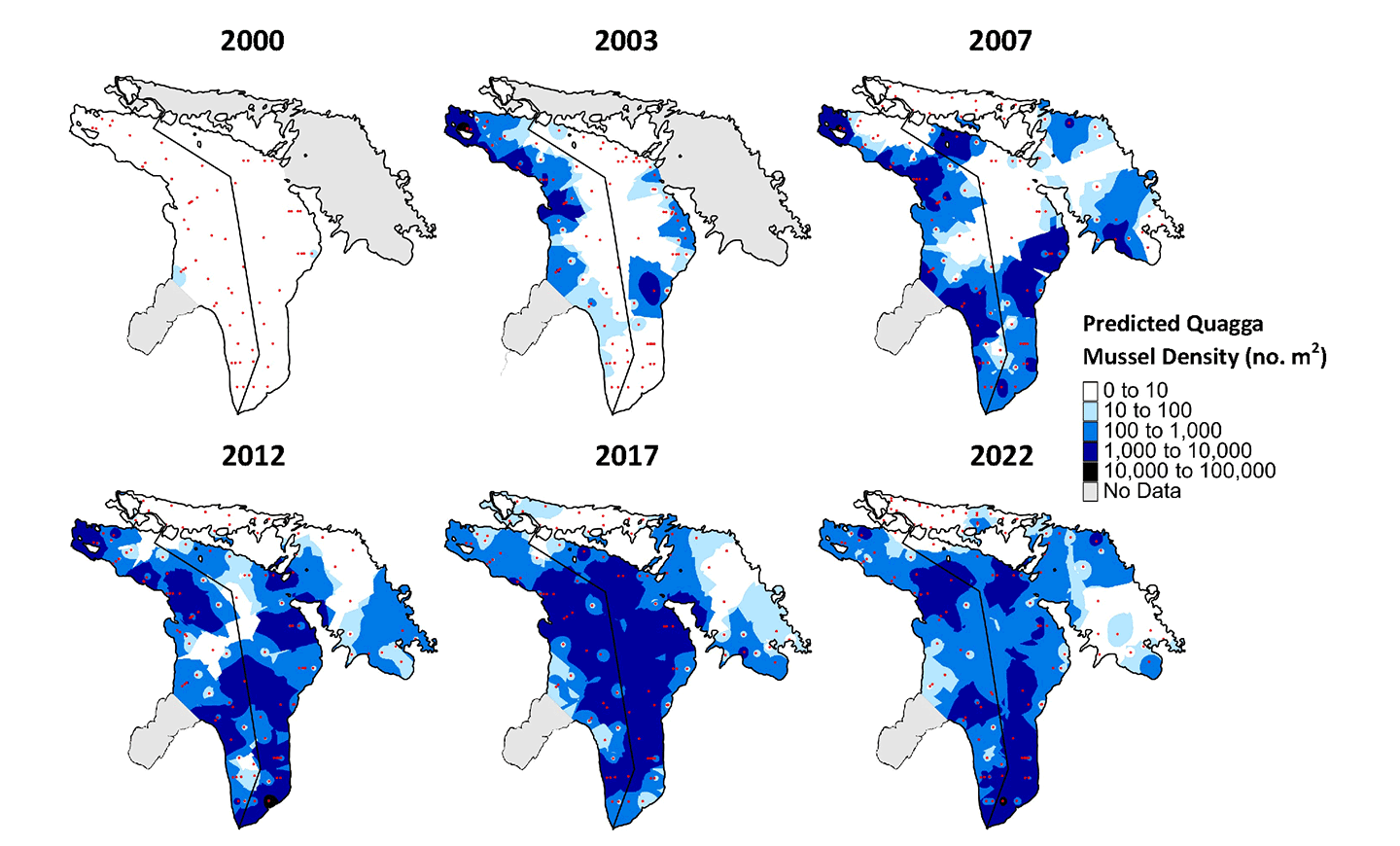
Differences in invasive species conditions across the basin contribute to the variation in conditions for many other subindicators. Although the rate of new non-native species introduction has declined, established non-native species continue to spread within and between the lakes and to affect ecosystem health in significant ways. Notably, dreissenid (zebra and quagga) mussels have altered nutrient cycling, increased water clarity, and changed phytoplankton and zooplankton communities. Dreissenid mussels are widespread in all of the lakes except Lake Superior, although population trends vary both within and among the five lakes (see figure below).
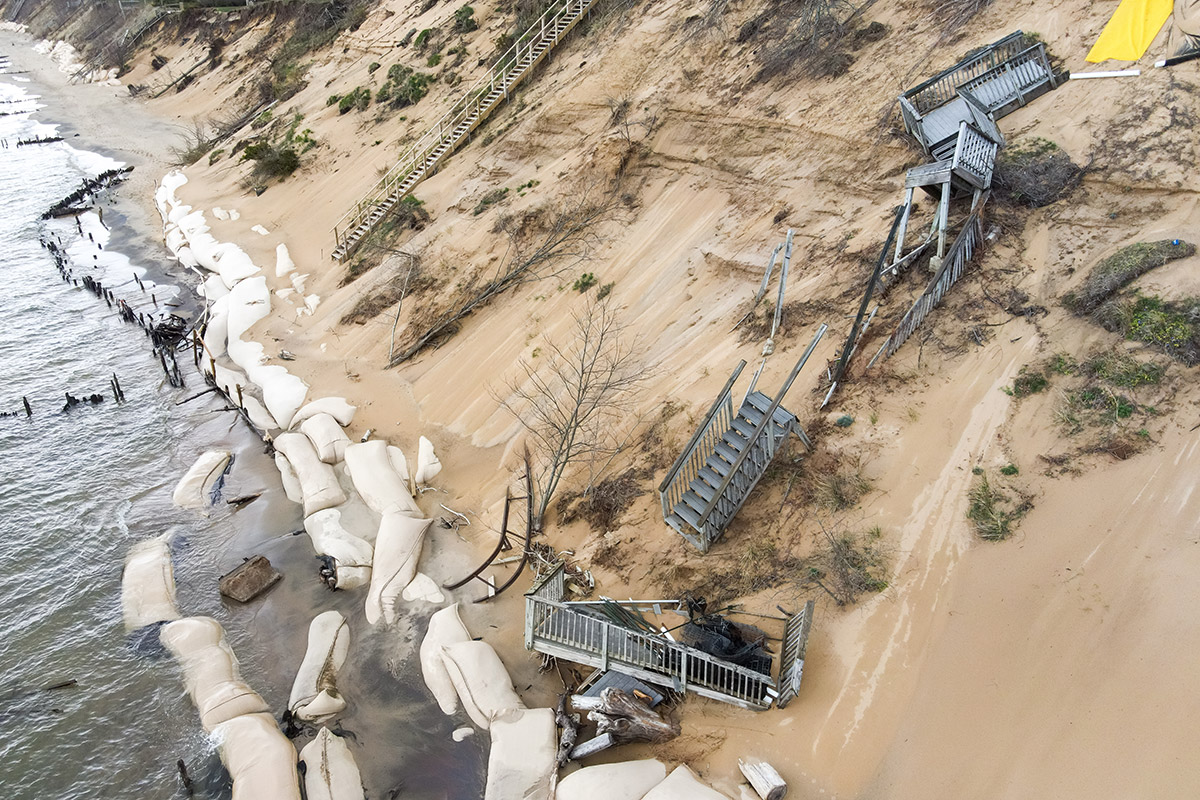
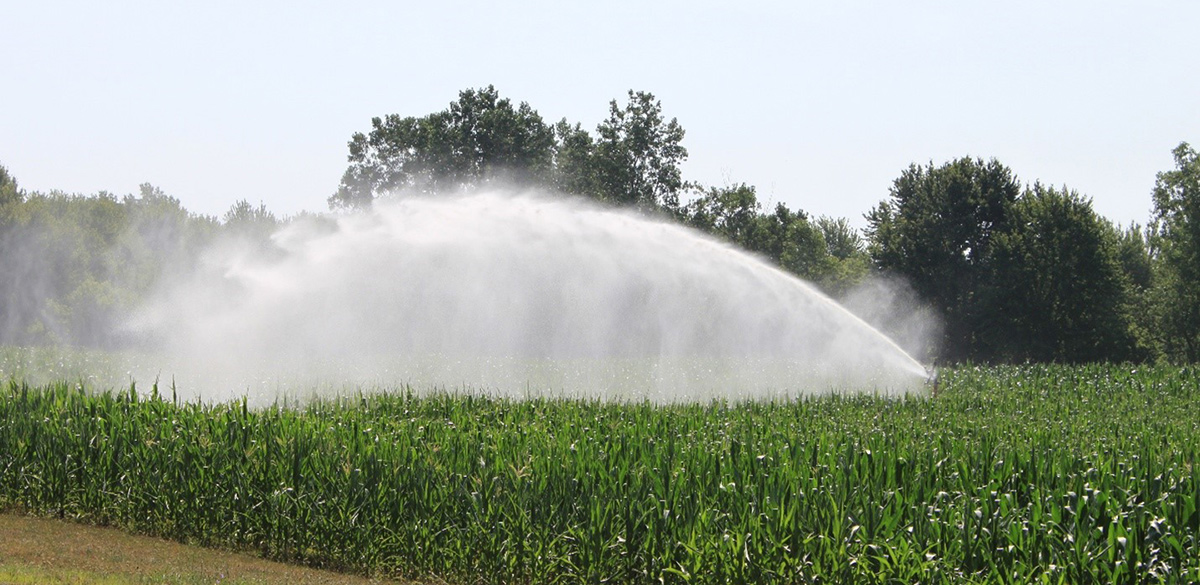
The report also points to several broader challenges. While basinwide reductions in nutrient loads since the 1980s, including 2.6 million pounds of phosphorus from U.S. tributaries from 2010 to 2025 alone, were successful in decreasing high nutrient concentrations that were contributing to algal blooms, excess nutrient inputs continue to drive harmful and nuisance algal blooms in Lake Erie and in localized areas across the other Great Lakes. These blooms are linked to warmer surface water temperatures and more extreme storm events, both of which are becoming more common across the basin. Rising surface water temperatures and other changes in physical conditions, such as decreasing ice cover and increasingly variable water levels, could impact all aspects of the Great Lakes ecosystem in the years ahead.
The collaboration of governments, agencies, organizations, and individuals continues to accelerate restoration and protection efforts across the Great Lakes.
Overall, the State of the Great Lakes 2025 Report illustrates each lake’s unique set of conditions and lake-specific stressors. It also highlights the value of long-term science, monitoring, and binational cooperation in understanding basinwide changes. The collaboration of governments, agencies, organizations, and individuals continues to accelerate restoration and protection efforts across the Great Lakes. That work helps to ensure the Great Lakes continue to be a reliable source for drinking water, recreation, and other uses that support the region’s environment, economy, and way of life.