The Great Lakes–St. Lawrence region is one of the most strategically important freshwater systems in the world, supporting over 100 million people, enabling trillions in economic activity, and anchoring a deeply integrated binational economy between Canada and the United States. Its ecological integrity and economic performance are not separate realities; they are fundamentally interdependent. This means the region’s long-term competitiveness in global trade depends directly on how effectively it integrates freshwater stewardship with economic modernization.
Yet, despite its global significance, the region faces mounting pressures: climate change, aging infrastructure, ecosystem degradation, and increasing demands on water and transportation systems.
From the Council of the Great Lakes Region (CGLR) perspective, the path forward requires more than incremental improvements. It calls for systems change, an intentional shift in how we think, collaborate, and act across borders, sectors, and disciplines. Sustainability must be understood as the integrated outcome of economic growth, environmental stewardship, and social equity, where freshwater protection is not a constraint on development, but a foundational driver of modern economic performance.
Moving beyond silos: Freshwater as a catalyst for economic modernization
Historically, policy and investment in the Great Lakes region have been fragmented across jurisdictions and sectors, creating artificial divisions between economic development and environmental protection. Science makes clear that this divide is untenable.
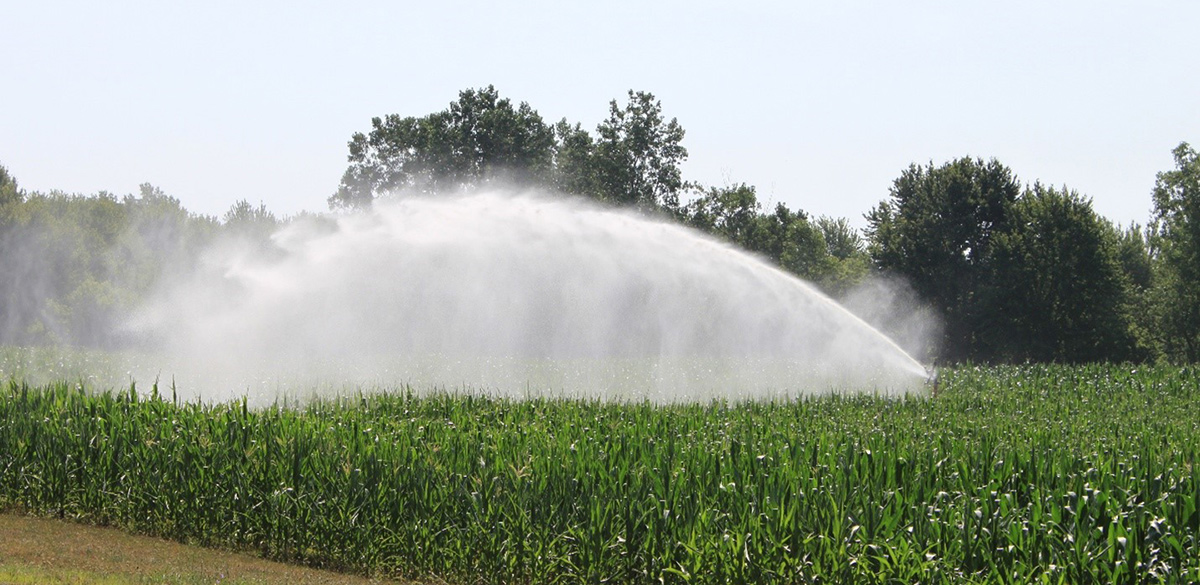
Freshwater systems underpin industrial productivity, energy generation, agriculture, and trade logistics. When these systems are degraded, the economic consequences are immediate and measurable, through disrupted supply chains, increased infrastructure costs, declining water quality, and reduced system reliability. Conversely, strategic investments in freshwater stewardship, such as wetland restoration, watershed management, and water quality improvements, function as enabling infrastructure for economic modernization.
A systems approach reframes freshwater not simply as a natural resource to be protected, but as critical economic infrastructure that must be managed, modernized, and integrated into regional development strategies.
Sustainability must be understood as the integrated outcome of economic growth, environmental stewardship, and social equity, where freshwater protection is not a constraint on development, but a foundational driver of modern economic performance.
A science-policy lens on integration priorities
Applying a science-policy lens ensures that the integration of freshwater stewardship and economic modernization is grounded in evidence, data, and measurable outcomes. Several priority areas illustrate this convergence:
- Freshwater protection as enabling infrastructure
The Great Lakes are central to industrial activity, trade, and energy systems. Strengthening binational coordination, through aligned Canadian and U.S. restoration and protection initiatives, can ensure sustained, science-based investment in ecosystem health. This directly supports economic stability, reduces systemic risk, and enhances the reliability of cross-border trade. - Climate resilience as a driver of system efficiency
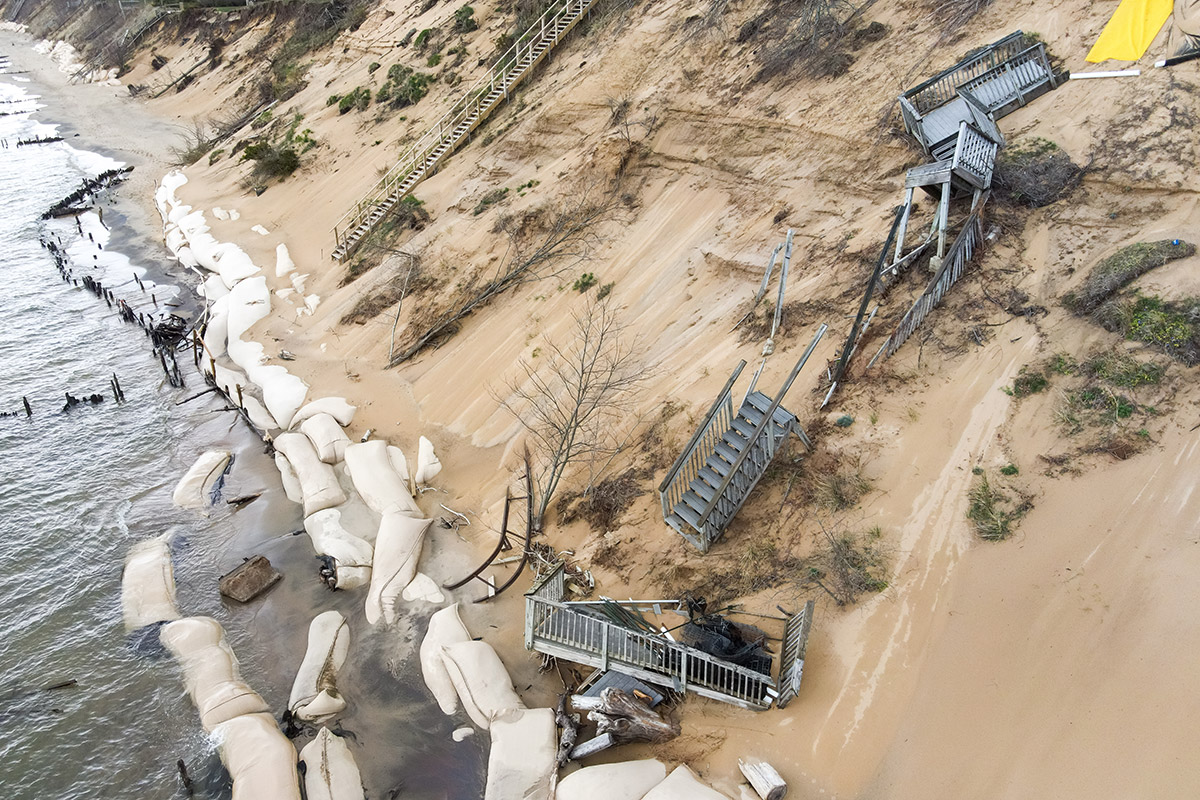
Climate variability is already affecting water levels, port operations, and shoreline infrastructure. Science-based adaptation strategies, including nature-based solutions and integrated watershed management, are essential not only for environmental protection, but for maintaining efficient, predictable trade and transportation systems. - Low-carbon transportation and supply chain transformation
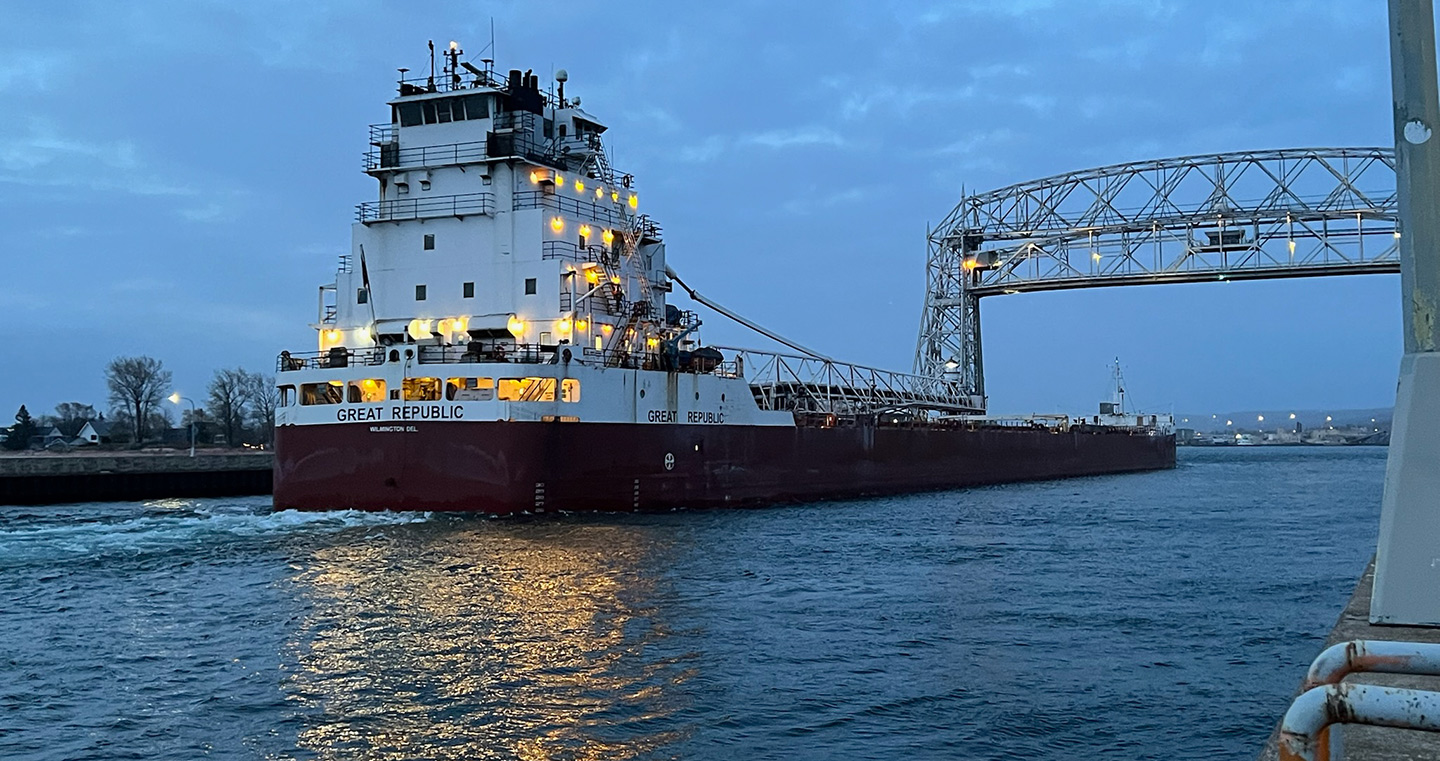
The Great Lakes–St. Lawrence corridor is a backbone of North American trade. Modernizing this system through green shipping technologies, resilient port infrastructure, and multimodal integration enables both emissions reductions and productivity gains. Here, freshwater stewardship and economic modernization converge directly in the transition to low-carbon logistics. - Data-driven systems management
Advanced monitoring, data integration, and digital technologies are critical to managing complex freshwater and economic systems. From hydrological modeling to AI-enabled supply chain optimization, integrating science and technology enhances decision-making, reduces uncertainty, and improves both environmental and economic outcomes. - Inclusive growth and system resilience
Equity is a key determinant of system performance. Communities with equitable access to clean water, infrastructure, and economic opportunity are more resilient to environmental and economic shocks. Embedding social equity into freshwater and economic strategies strengthens long-term regional stability.
Achieving these priority areas requires more than technical solutions—it demands a fundamental shift in how we govern and collaborate.
Achieving these priority areas requires more than technical solutions—it demands a fundamental shift in how we govern and collaborate.
Redefining how we work: Integration through collaboration and convening
Achieving this level of integration requires a fundamental shift in governance and collaboration. The Great Lakes–St. Lawrence region is inherently binational, and its freshwater and economic systems are deeply interconnected. Addressing its challenges and unlocking its opportunities demands a model of collaborative, science-informed governance that operates across borders and sectors.
CGLR plays a critical role as a binational convenor, bringing together governments, industry, academia, and civil society to align freshwater stewardship with economic modernization strategies. By fostering multinational, multisector collaboration, CGLR helps translate scientific knowledge into coordinated policy and investment action.
This approach includes:
- Aligning Canada–U.S. policy and regulatory frameworks around shared freshwater and economic objectives
- Integrating public and private sector investment to accelerate infrastructure modernization
- Embedding science into decision-making through iterative, data-driven processes
- Moving from fragmented coordination to true co-creation of solutions
Strengthening binational trade performance through integration
If the Great Lakes–St. Lawrence region were a country, it would rank as the third-largest economy in the world, an economic powerhouse rivaling the GDP of major nations. Spanning eight U.S. states and two Canadian provinces, the region generates trillions in annual output through advanced manufacturing, agriculture, energy, technology—all underpinned by one of the planet’s most critical freshwater systems.
This immense economic scale is underpinned by a deeply integrated binational supply chain that supports tens of millions of jobs and facilitates a significant share of North America’s trade. In an increasingly competitive global economy, the region’s ability to deliver reliable, efficient, and low-carbon trade infrastructure is a defining strategic advantage.
Strengthening this advantage requires aligning economic performance with environmental stewardship. Integrating freshwater protection with infrastructure modernization ensures that healthy, well-managed water systems continue to support consistent shipping conditions, reduce operational risks, and enhance the resilience of ports, corridors, and critical trade assets.
At the same time, investing in modern, low-carbon transportation networks improves efficiency, lowers emissions, and reinforces the region’s competitiveness in global markets.
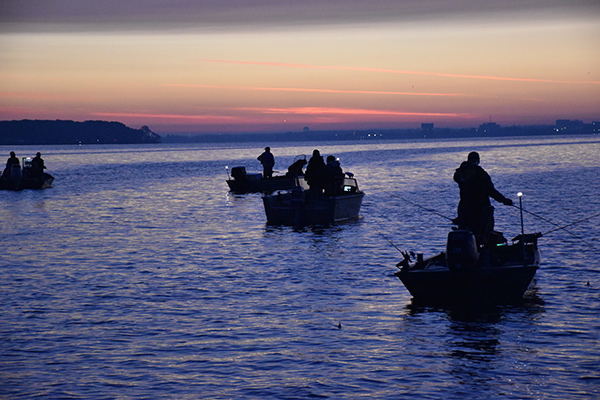
Holding over 20% of the world’s surface freshwater, the Great Lakes are not only an economic engine but also a globally significant environmental and resource asset. Through sustained binational collaboration, the region can further solidify its role as a premier international trade corridor, improving supply chain reliability, advancing climate resilience, and attracting investment aligned with environmental, social, and governance priorities.
In this sense, the Great Lakes–St. Lawrence region is more than a geographic system, it is a globally significant economic, ecological, and geopolitical force whose coordinated stewardship and strategic investment will shape the future of North American prosperity and sustainability.
A regional model for integrated systems leadership
The Great Lakes–St. Lawrence region can be more than a case study in freshwater management—it can be a global proof of concept: that protecting the ecosystems which sustain trade, industry, and communities is not a cost of competitiveness, but its source. CGLR’s strategic framework, anchored in economic growth, environmental stewardship, and social equity, provides the foundation for this leadership.
The path forward demands what this region is uniquely positioned to deliver: science aligned with policy, cooperation across borders, and a commitment to outcomes that are both environmentally and economically transformative. If the region seizes this opportunity, it will not only secure its own future—it will show the world that sustainable prosperity is possible where freshwater and economic ambition go hand in hand.