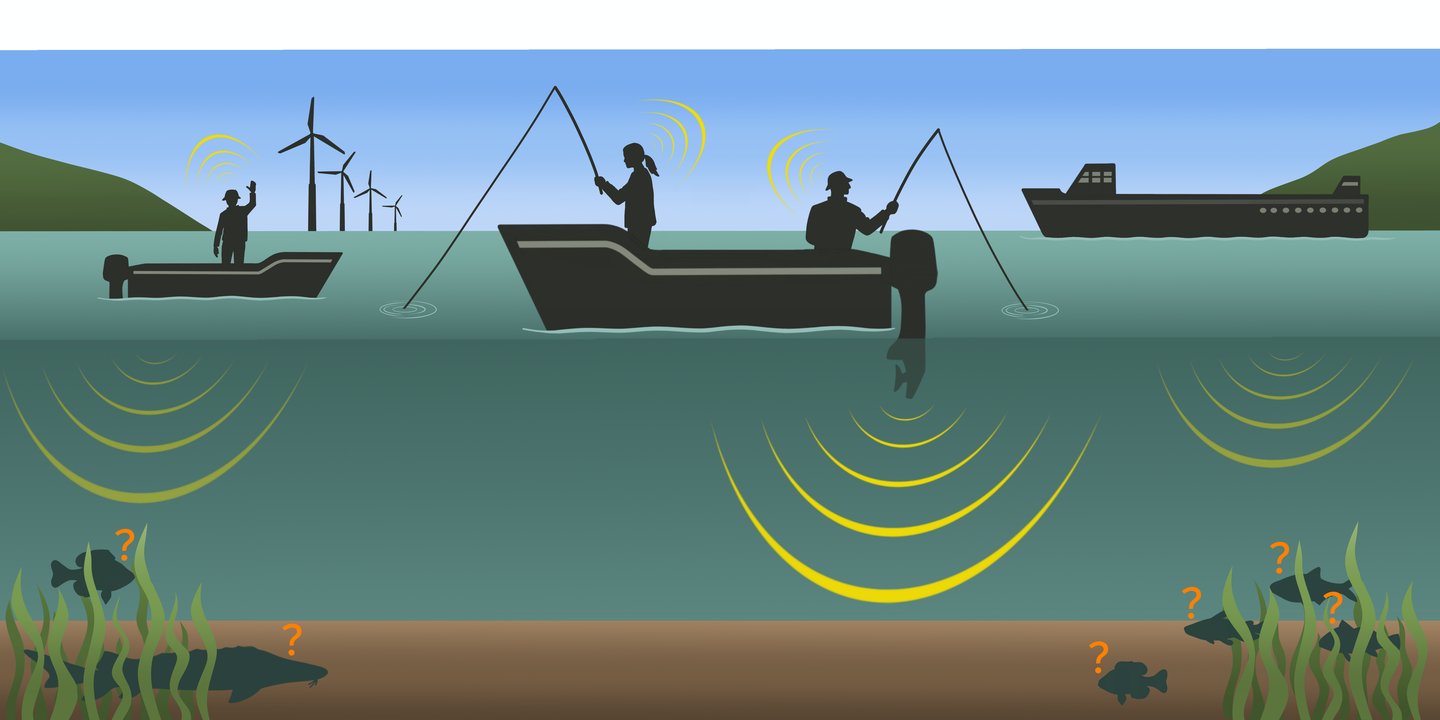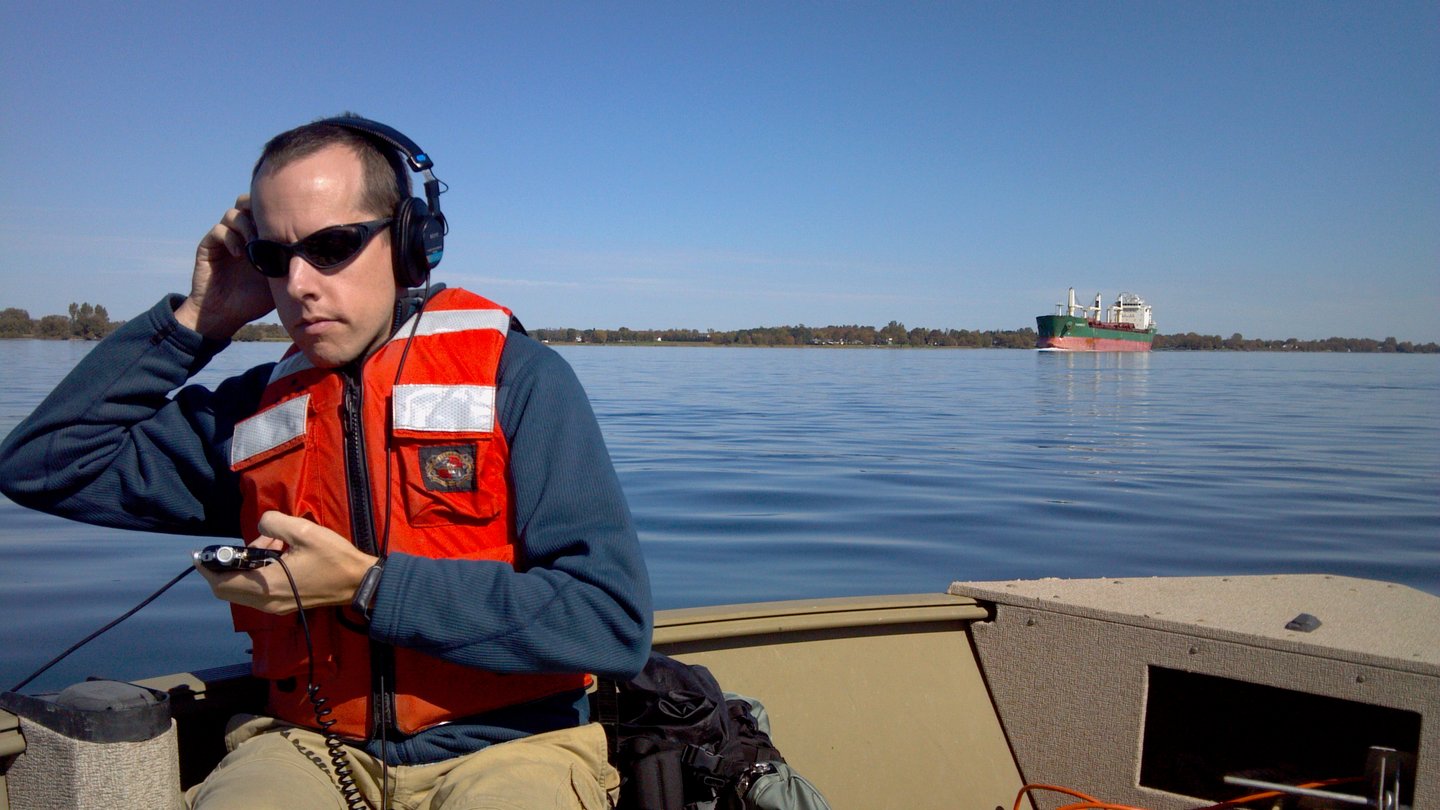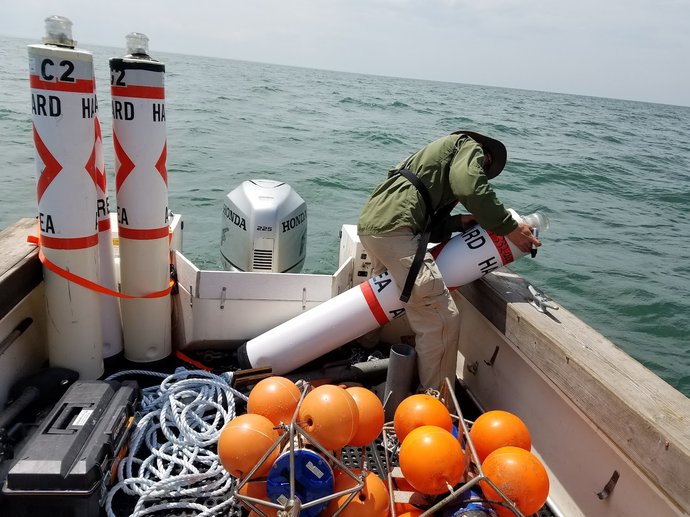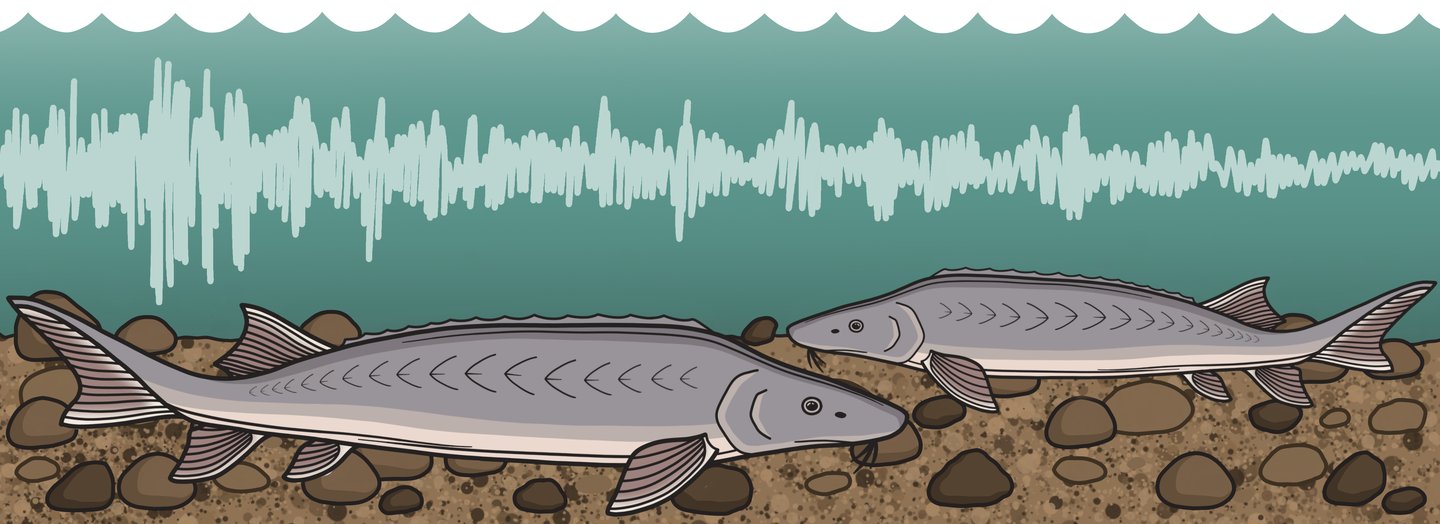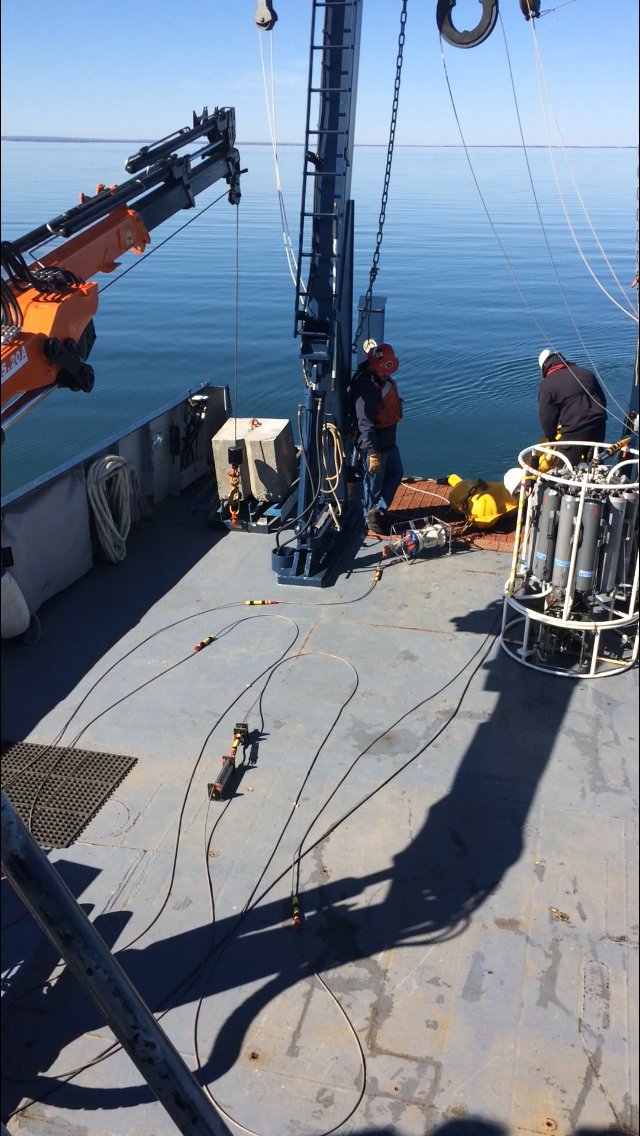
Lakes and rivers are surprisingly noisy under the surface, if you know how to listen. Human ears are not well adapted to hear underwater sounds unaided, but using a hydrophone (underwater microphone) reveals a rich soundscape in many freshwater environments. Numerous taxa emit myriad sounds, including many species of fish.
Environmental change in freshwater ecosystems can be difficult to track, yet freshwater species are three times more endangered than terrestrial species, so monitoring is important. Passive acoustic monitoring is an emerging approach that uses computer analysis of underwater audio recordings to mark changes in the composition and behavior of freshwater biota.
Passive acoustic monitoring addresses three problems with more traditional sampling methods:
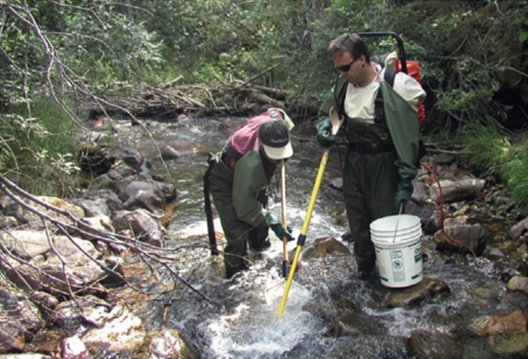
- Risks to fish health and habitat integrity. Classic techniques like netting and electrofishing can cause injury or even death in fish. This is inappropriate for sensitive or threatened species.
- Bias. While all sampling methods are biased to varying degrees, a key source of bias is the act of sampling itself. It often causes fright responses of the target fish, making detection difficult.
- Temporal variation. Usually single survey events are used to estimate ecosystem health and monitor population. This can deliver only a snapshot of the population at a single sampling time.
Apart from mitigating sampling-induced risk of damage to species and ecosystems as well as certain sampling biases, acoustic monitoring can autonomously detect continuous environmental change in an ecosystem. This is a significant improvement on classic sampling techniques, which frequently employ only annual or quarterly sampling.
Freshwater acoustic recordings also provide a powerful tool for community engagement with river and lake health, and an accessible platform for public participation in science. Soundscape recordings provide a conduit to an otherwise obscure world that can help create meaningful emotional connections for people with these environments, and the steadily increasing affordability of underwater recording equipment is seeing an explosion in community-based monitoring.
For more on this topic, see the authors’ “Freshwater Ecoacoustics—A New Addition to the Limnologists’ Methods Toolkit” (2022).