Within the last five years, many large electric utilities in the Great Lakes region have announced the closure and sunsetting of nearly every large coal-fired power plant. The repowering of our communities with renewable (and carbonless) energy presents a once-in-a-lifetime opportunity for Great Lakes scientists to weigh in on the various pros and cons of proposed projects and energy sources. Providing solid scientific research and evidence-based studies helps regulators, developers, and local community leaders make better decisions to minimize or eliminate potential impacts.
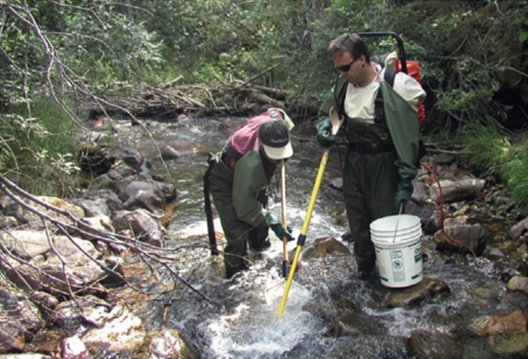
One such example is the evaluation of a demonstration offshore wind energy project near Cleveland, Ohio. Between 2017 and 2020, LimnoTech worked on behalf of a Cleveland-based nonprofit (LEEDCo) with funding from the U.S. Department of Energy to evaluate environmental impacts from the installation, operation, and removal of six wind turbines in the offshore waters of Lake Erie.
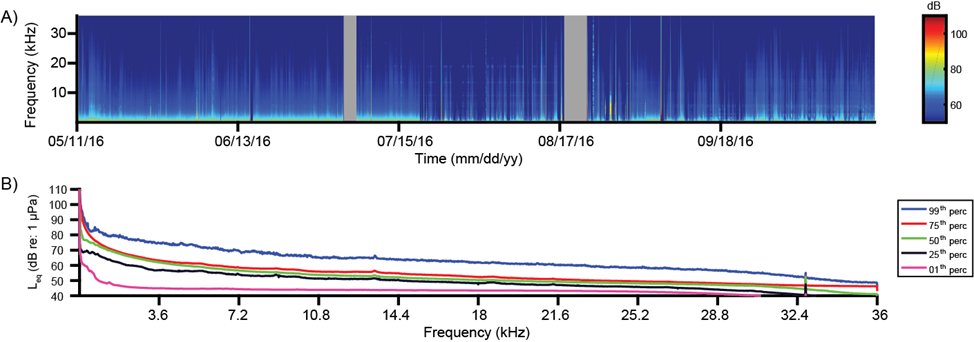
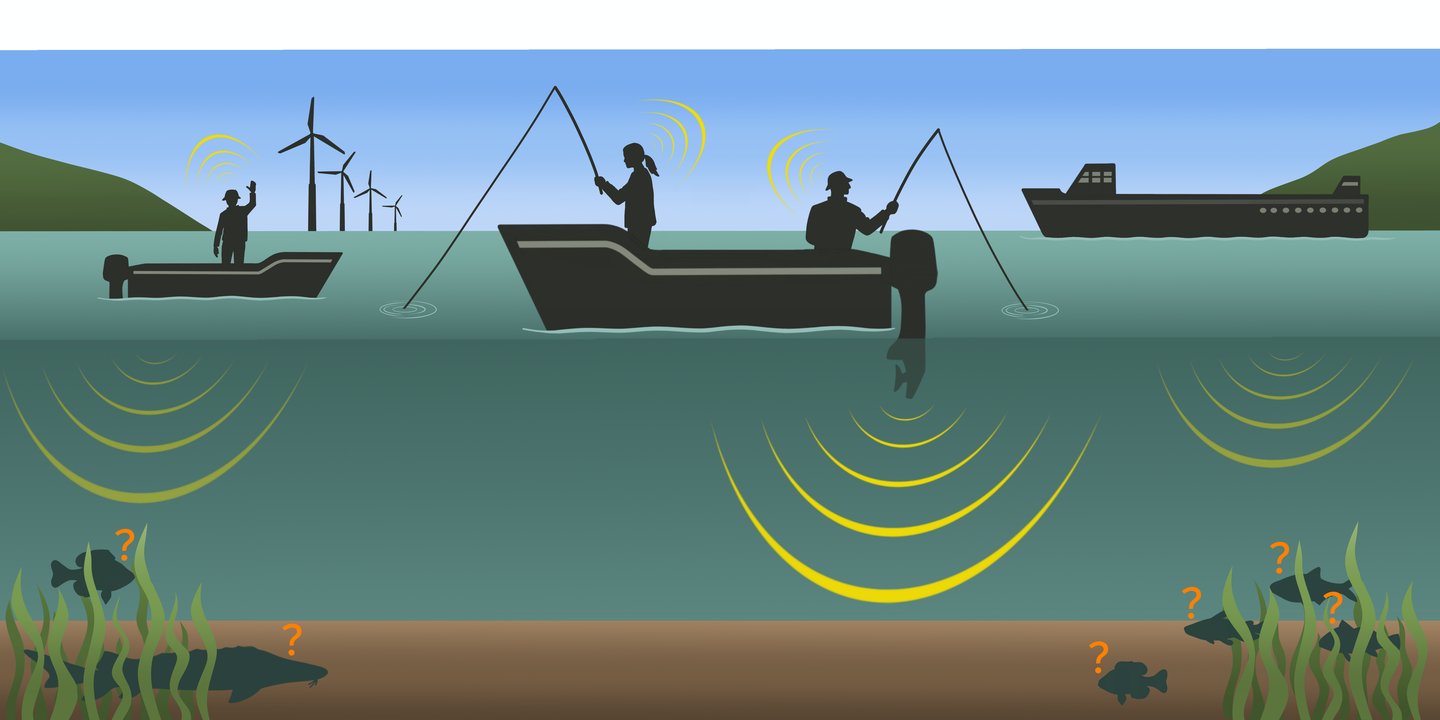
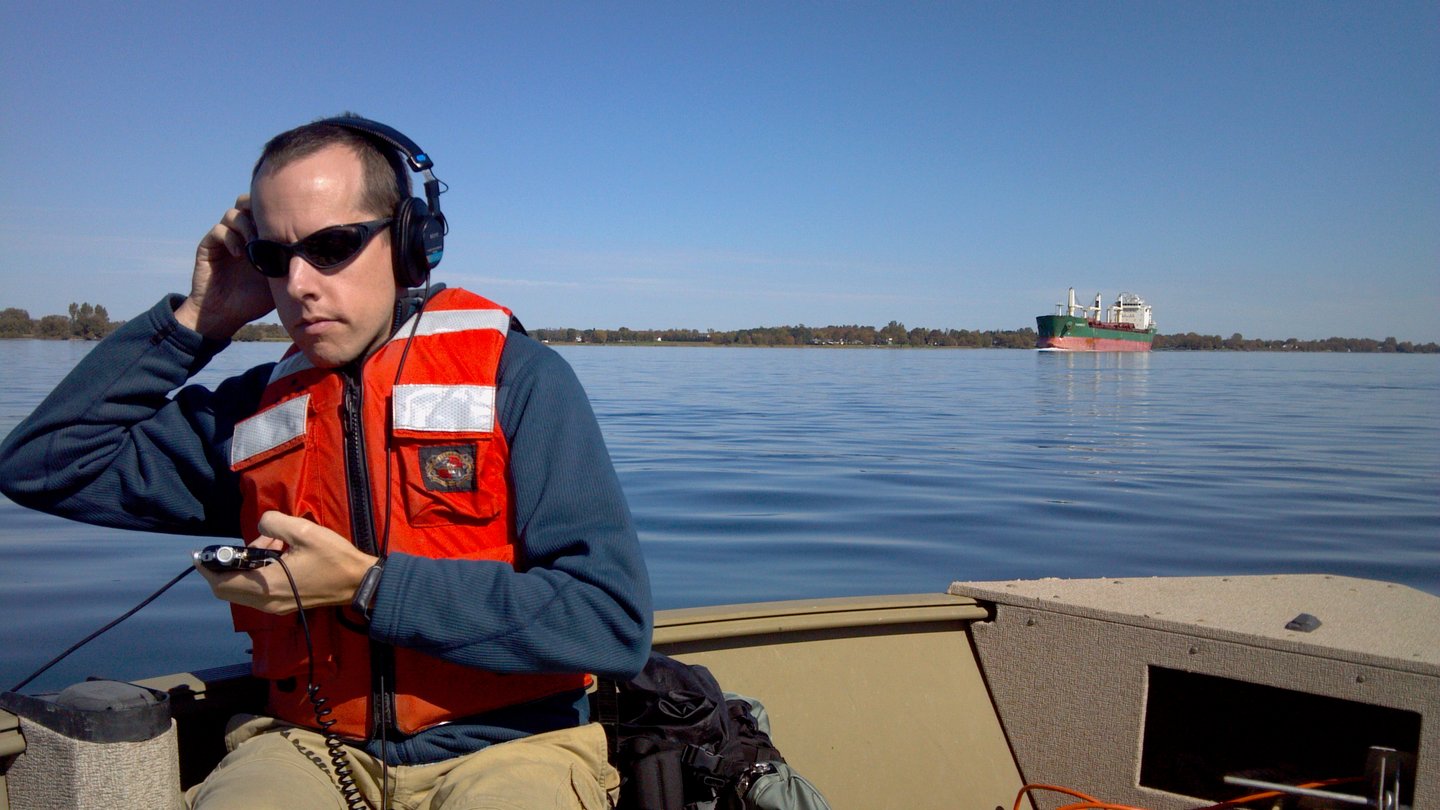
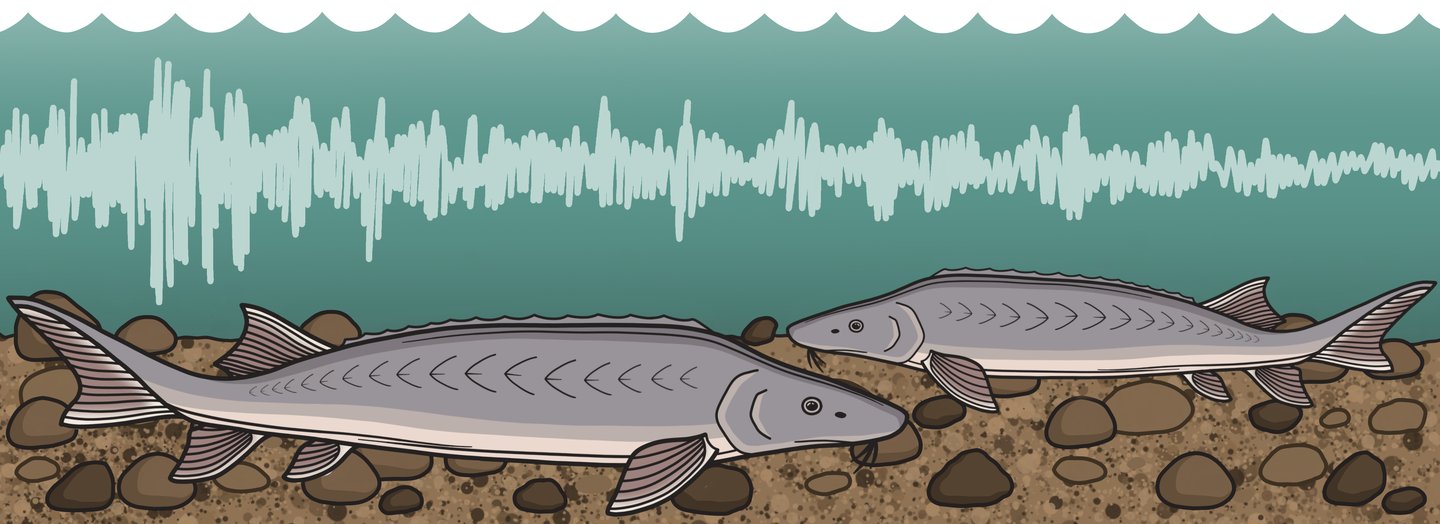
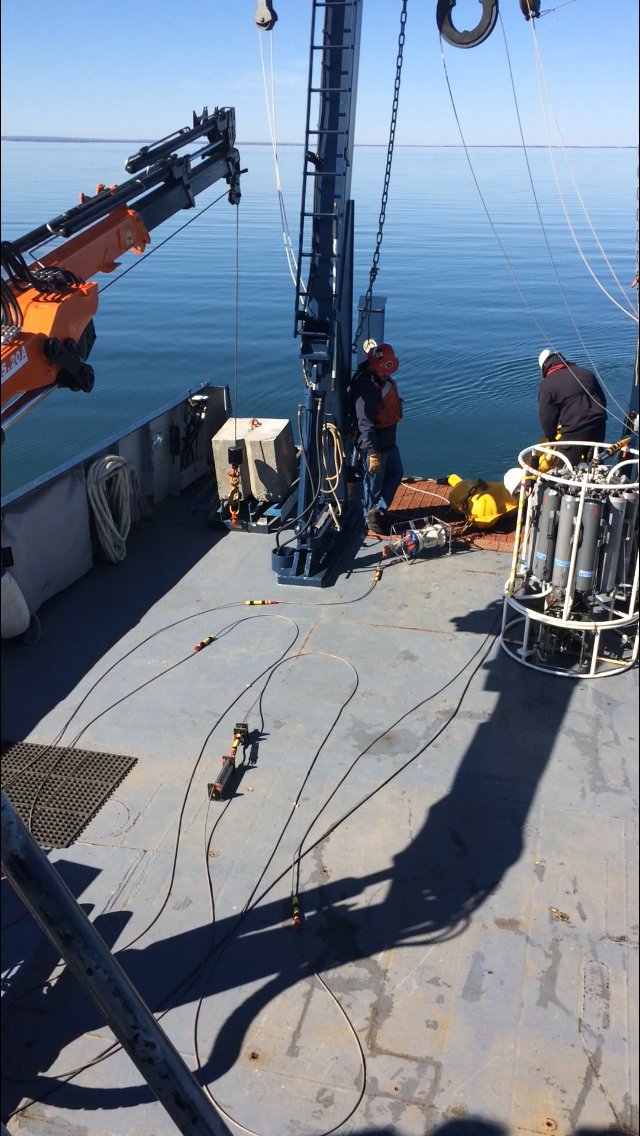
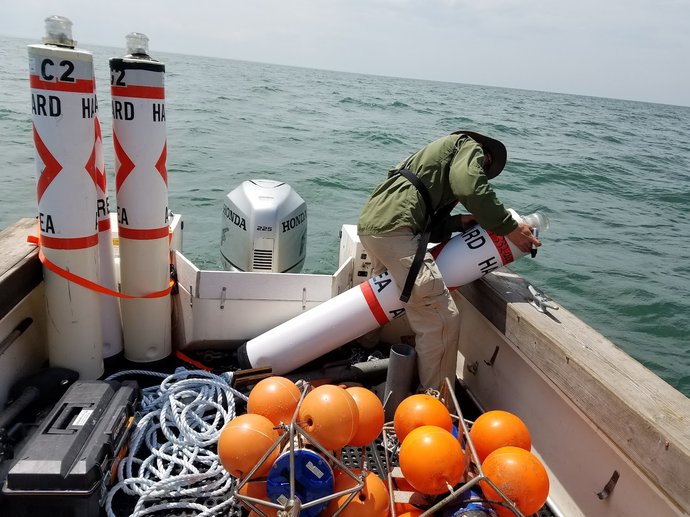
A portion of this monitoring included the deployment of passive audio/acoustic recording devices in the offshore waters of Lake Erie. This is one of the first uses of this technology in the offshore waters to understand the present “soundscape” and use it to evaluate potential impacts from future construction and operation activities of an offshore wind project. In addition to the microphones, the project site was also equipped with fish telemetry technology that can precisely map the presence and location of already tagged fish. The pairing of microphones and fish trackers allows for an unprecedented in-situ evaluation of construction and operation activities on freshwater fish. Other monitoring equipment deployed at the site measured currents, temperature, oxygen, and turbidity, which supports comparative and behaviorial analysis to describe current conditions and make comparisons after construction. This four-year pre-construction study offers a model for how future energy projects can collaborate across the often separate research, regulatory, and private sectors in the Great Lakes region while using cutting-edge technology.