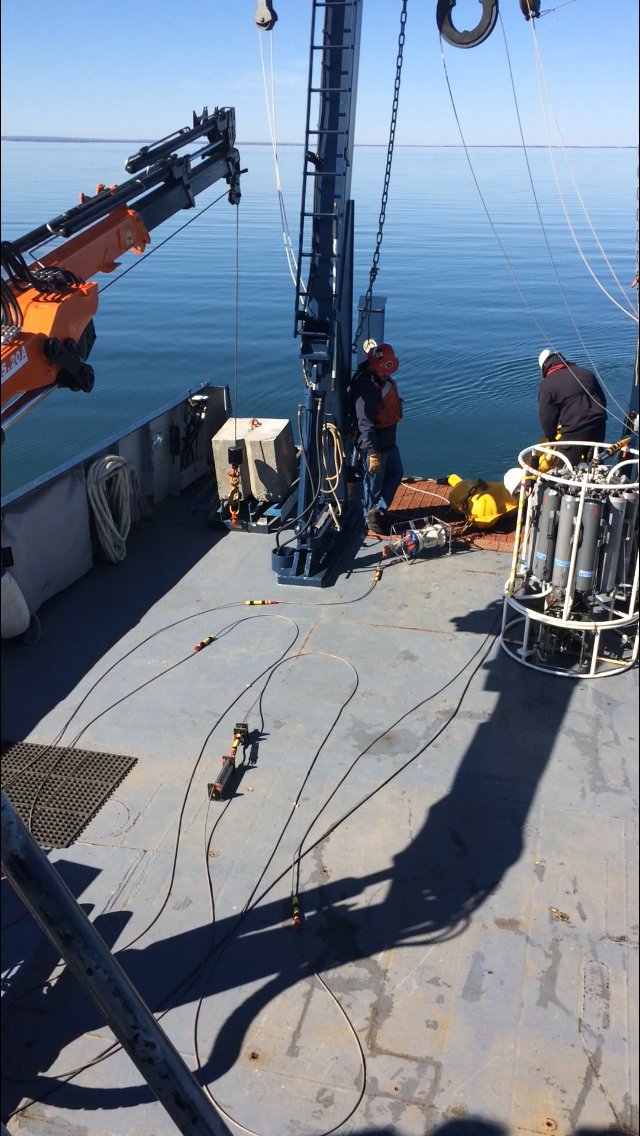
With nearly 200 species inhabiting the Laurentian Great Lakes and their associated watersheds, fishes are vital to the ecology, economics, and recreation of the region. Additionally, changes in Great Lakes fish populations due to climate change, invasive species, and habitat impacts have made understanding their ecology more important than ever for ensuring sustainable and effective management. Increasing awareness of the importance of both hearing and acoustic communication for fishes opens opportunities to use underwater acoustic recording instruments for studying Great Lakes fishes. While underwater acoustics has been essential for studying whales and dolphins, the technology has only just begun to be applied for listening to fishes, and there are many emerging opportunities to use bioacoustics to gain a better understanding of behavior, ecology, population dynamics, and more.
Sound production in fishes has been known to science for centuries, but it wasn’t until just after WWII that advances in underwater sound recording and analysis allowed for studying fish sounds. Since then, a few hundred fish species have been recorded and identified, but acoustic communication is likely far more widespread than is currently documented. Fish produce sounds in similar behavioral contexts as other vertebrates: finding mates and defending resources. Reproductive sounds are one of the best studied examples, where males call to attract females, whether individually or as part of a larger school. Territorial fishes use sounds to chase away possible intruders, and catfishes use sounds as a defensive tactic to scare predators. Fish sounds are relatively simple, particularly when compared to bird song or human speech, but still convey important behavioral information.
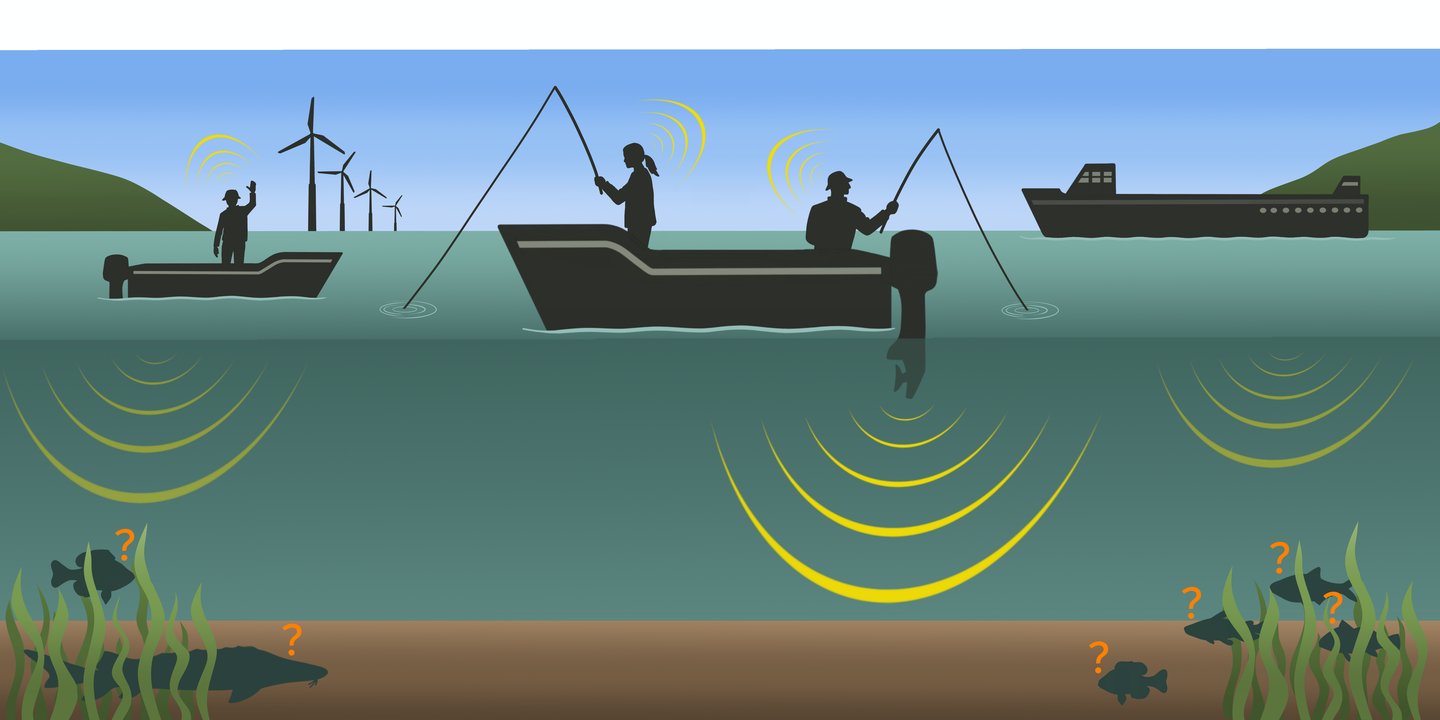
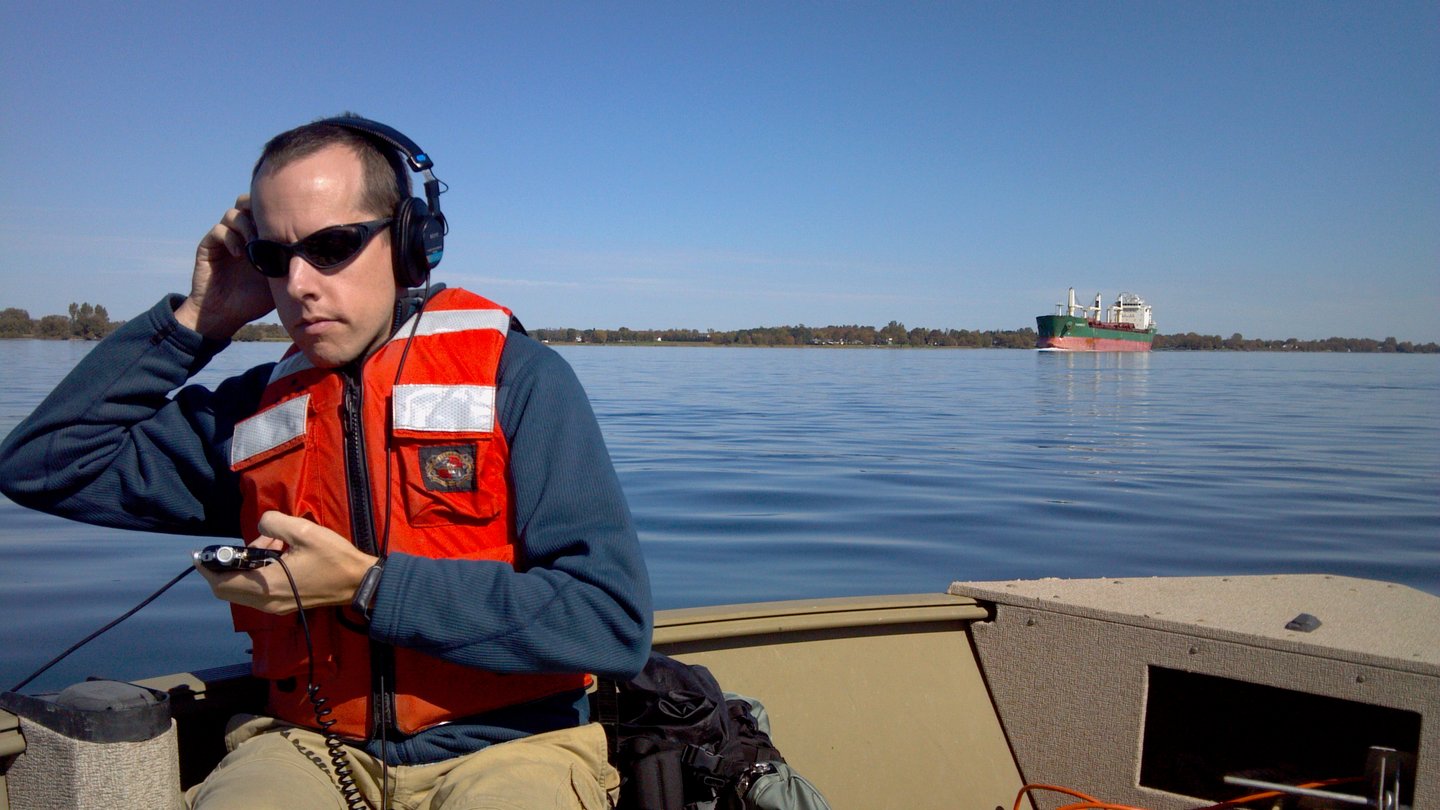
All fish have two inner ears in their head, and their best hearing is in lower frequency ranges (<1000 Hz). This range overlaps with the frequency range of most fish sounds, but also with noise from weather (e.g., wind, waves, and even rain) and passing ships. Vessel traffic exposes many fish to noise pollution, increasing fish stress levels and making communication sounds more difficult for other fish to hear (a phenomenon known as “acoustic masking”).
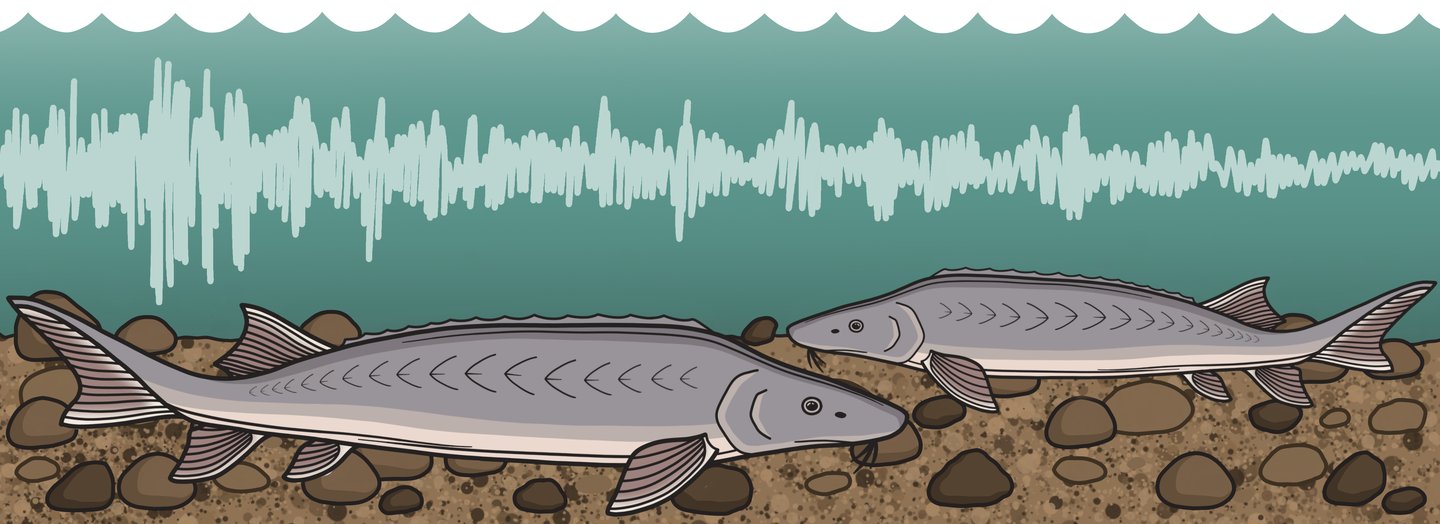
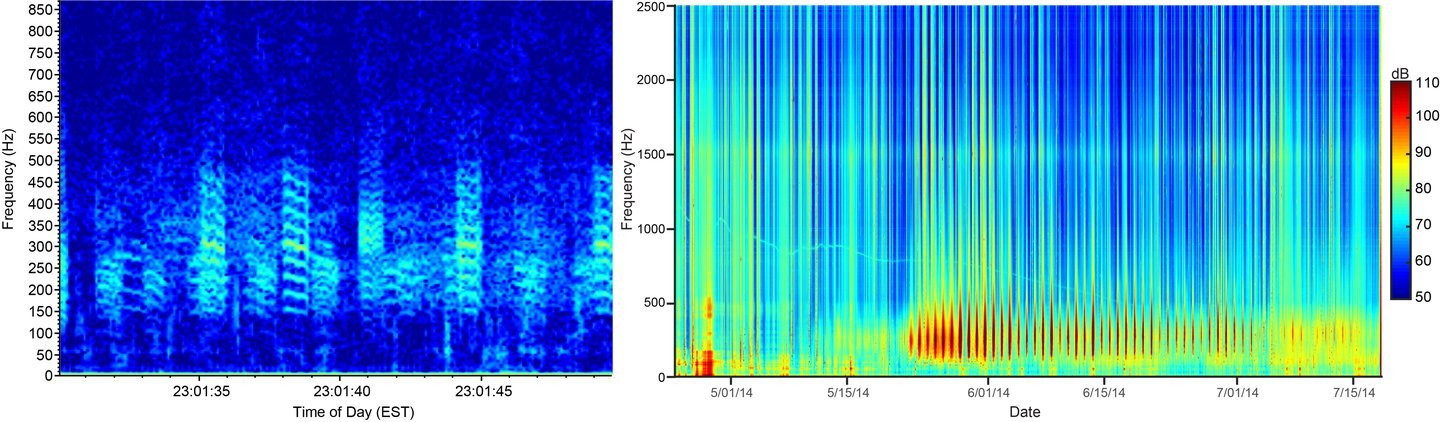
Based on a few species that have been studied, Great Lakes fishes produce a wide variety of sounds. Most fish calls can be classified into a few broad categories such as grunts, croaks, and pulsed calls, but the particular call characteristics are often species-specific. Freshwater drum produce low-frequency grunts and are most likely the loudest species in the Great Lakes. During their peak spawning periods, aggregations of males produce a loud chorus that can last for multiple hours every night (see figure). Lake sturgeon produce a very low-frequency “rumble,” which can last up to several seconds. Round gobies and darters produce a series of pulses when males are calling to attract females for spawning. The ability to identify species by sounds enables studying many aspects of fish biology and ecology using acoustic data, either alone or in combination with other data types.
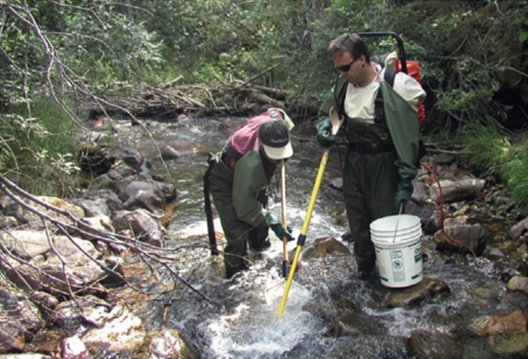
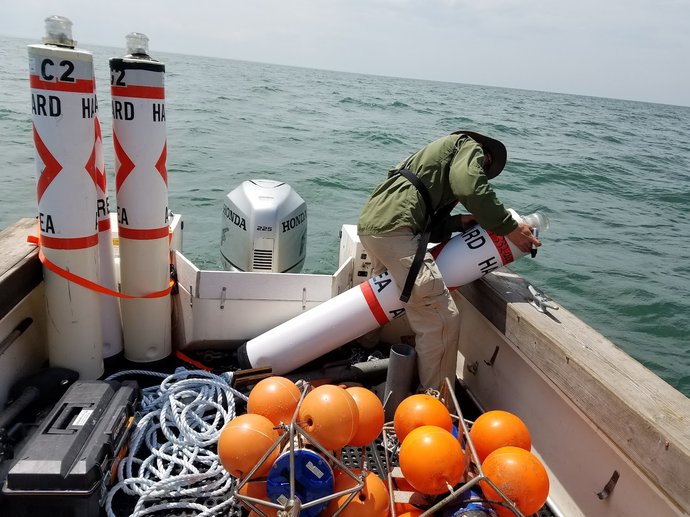
Bioacoustic studies typically involve deploying acoustic recorders at one or more study locations to capture the calls of a species of interest as they move through their habitats. The acoustic data can be used to investigate the spatial occurrence of a given species or the timing of various life history events, such as migration or spawning, which can be inferred from spatial and temporal patterns when detecting sounds of interest. By combining acoustic data with other fisheries survey methods such as visual observations, netting, and tagging efforts, we can start to understand the biology and behaviors underlying acoustic behaviors, spawning, characterize population structures, and even estimate stock sizes based on call rates. Once a baseline understanding of acoustic behavior and habitat use has been established, it becomes possible to quantify how environmental changes may alter species’ distributions, population sizes, or behaviors strongly linked to particular conditions. There is also a need to better understand how anthropogenic sound pollution, such as vessel traffic noise, dredging and trenching activities, and resource extraction, affects these species’ abilities to carry out their normal life histories. All of these varied insights are essential to the management of healthy populations and resilient ecosystems, and will better equip fisheries managers to design and implement effective conservation strategies.
Despite advances in studying fish sounds, one of the biggest challenges is that for most species, we still don’t know which fish make which sounds (see Rountree et al. 2019). Even in intensively studied lakes, the overwhelming majority of biological sounds cannot be attributed to a particular species. This knowledge gap greatly limits the utility of using passive acoustics for studying freshwater fishes. However, with increasing availability of low-cost, consumer-grade hydrophones, there is an enormous opportunity for scientists, fishers, and the public to explore and help us understand Great Lakes underwater soundscapes, and enable continued use of underwater listening for monitoring important fish and habitats.
Further Reading
Looby, A., K. Cox, S. Bravo, R. Rountree, F. Juanes, L. K. Reynolds, C. W. Martin. 2022. A quantitative inventory of global soniferous fish diversity. Reviews in Fish Biology and Fisheries 32:581-595.
Rice, A. N., S. C. Farina, A. J. Makowski, I. M. Kaatz, P. S. Lobel, W. E. Bemis, A. H. Bass. 2022. Evolutionary patterns in sound production across fishes. Ichthyology and Herpetology 110:1-12.
Rountree, R. A., M. Bolgan, F. Juanes. 2019. How can we understand freshwater soundscapes without fish sound descriptions? Fisheries 44:137-143.