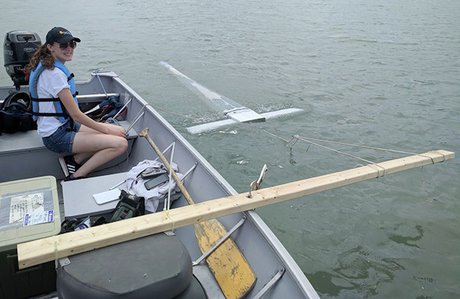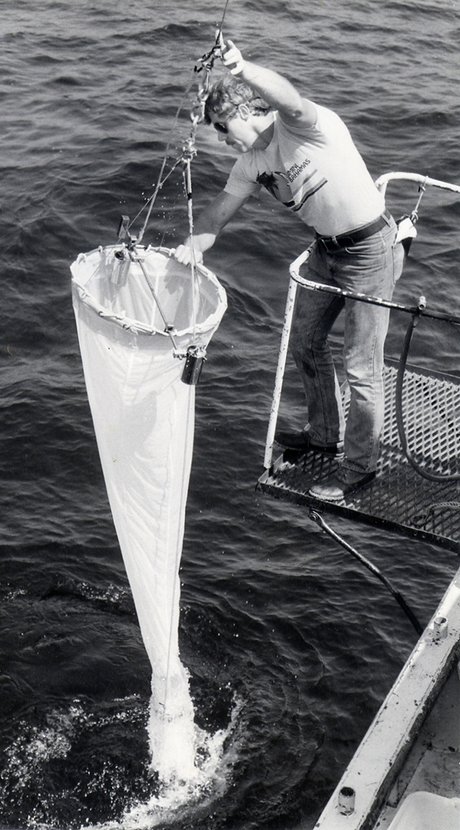
My Ph.D. research will investigate factors controlling the distribution and accumulation of microplastics in benthic sediment of nearshore and offshore depositional environments of Lake Huron, to ascertain potential causes and sources of pollution. I have also been working with Dr. Patricia Corcoran from the University of Western Ontario on a project regarding microplastics in bottom sediments of the Thames River, along with a Pan-Great Lakes plastic pellet study.
What inspired you to get into this work?
After receiving my master’s in environment and sustainability at the University of Western Ontario, I had the opportunity to work with Dr. Corcoran on multiple microplastic projects. I learned a great deal about microplastic pollution and its adverse environmental and biological consequences. I was equally intrigued and disturbed by the amount of data describing the prevalence of microplastics in both marine and terrestrial environments. As a strong environmental advocate and dedicated researcher, this inspired me to pursue my Ph.D. with Dr. Corcoran and work on projects concerning microplastics in sediment.
What body of knowledge would you like to build on?
I would like to advance my understanding of the biological and chemical impacts of ingested microplastics by aquatic organisms. I am fascinated by potential pathways and bioaccumulation threats to higher trophic levels. It would be very interesting to be involved in the sample collection and biochemical analysis firsthand. This being said, I enjoy learning about all subjects and encourage informative conversations with individuals from different specializations.
If you could change one thing about the way science is done, what would it be?
Science is a powerful mechanism for change, but like any field, it has its challenges. Many single-discipline researchers struggle to collaborate with others. I strongly urge more successful interdisciplinary work amongst stakeholders, connecting scientists, artists, industry leaders, and policymakers. Complex issues like plastic pollution cannot be solved without the cooperation and support from all parties.
How long have you been an IAGLR member and why did you join?
I recently became an IAGLR member; however, after attending two IAGLR conferences in the past and networking with incredible professionals, it was long overdue. I became an IAGLR member to keep updated about current and profound research, as the membership includes an electronic subscription to the Journal of Great Lakes Research.
Where will we find you at the conference?
I will be presenting my research titled “Basin-wide Analysis of Microplastics in Nearshore and Offshore Benthic Sediments of Lake Huron” on Tuesday morning in the session Microplastics in Freshwater Systems: Advances in Chemistry, Biology and Physics. I will also be attending the session Microplastics in the Environment: Source, Fate, Impact, Detection, and Mitigation on Wednesday.