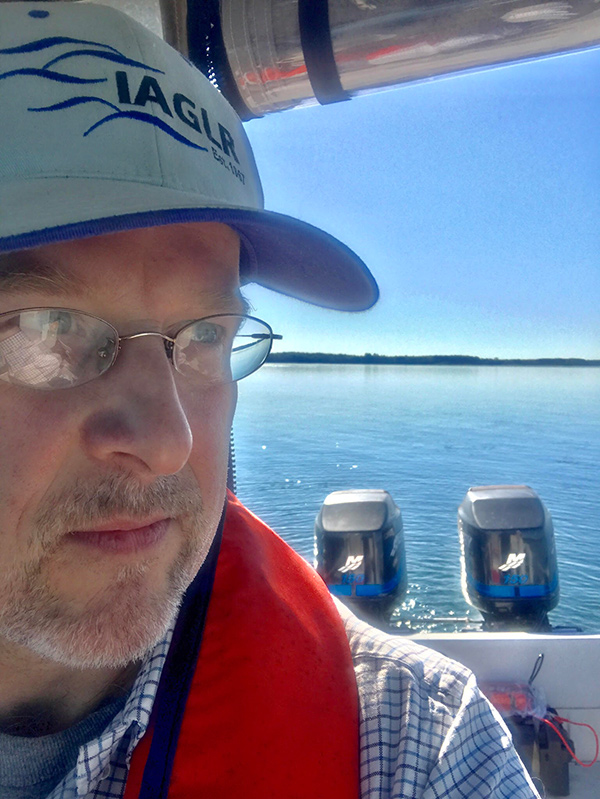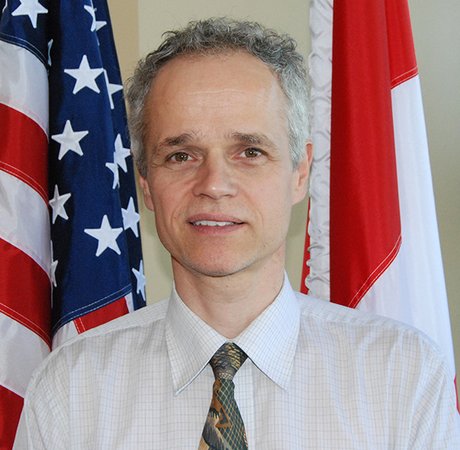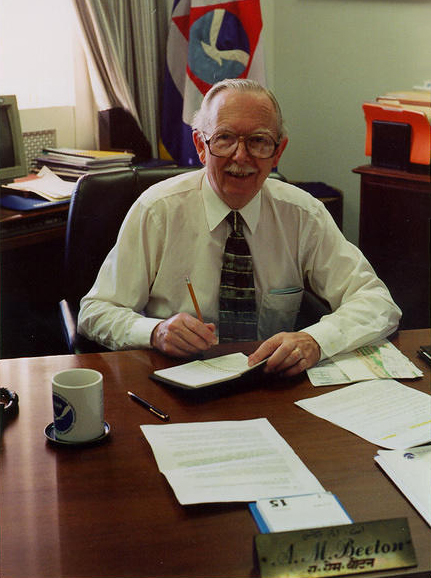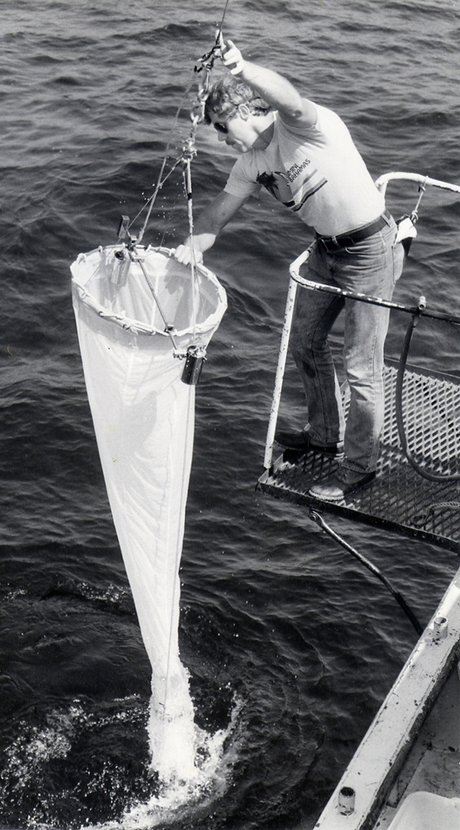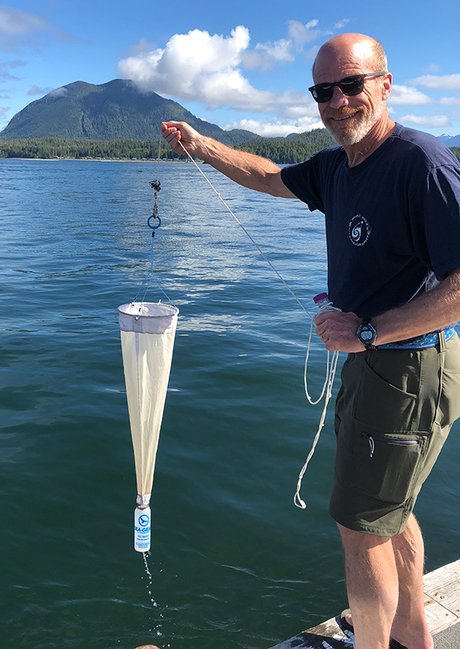
I work for Fluid Imaging Technologies, a small technology company that makes the FlowCam®, an imaging flow cytometer that many aquatic scientists, including IAGLR members, use to study phytoplankton and zooplankton. In addition to working with scientists to help them understand the capabilities of FlowCam, I also teach our users how to run the FlowCam, and am involved in many aspects of managing our company.
What inspired you to get into this work?
I have always loved and been inspired by nature. As a kid, I fell in love with Maine during summer vacations. That love brought me to Maine, where I graduated from Colby College, being one of the first students to receive a degree in environmental studies (1976). I went to grad school for an MBA, and when, in 2005, I learned about an opportunity to join an exciting start-up company, Fluid Imaging, I thought how much fun and rewarding it could be to apply my business acumen in the world of aquatic science. That was the inspiration, but the joy in my job is working with the scientists who use our products.
What body of knowledge would you like to build on?
Although I studied the natural sciences in college, I did not get back into science until 2005. To sell a sophisticated instrument to world-class scientists requires a thorough understanding of our users’ science. Attending conferences like IAGLR (I attend 7 to 10 conferences each year) provides me with the opportunity to hear scientists talk their science, to learn what they are doing, and to meet wonderful people.
If you could change one thing about the way science is done, what would it be?
There needs to be more science! For there to be more science, there needs to be more funding! In early 2017, I became a member of the Union of Concerned Scientists, and a group of us in Maine, under the guidance and support of the UCS, began meeting with the Maine congressional delegation here in Maine and in Washington to promote the need to expand funding for science. Scientists need to practice more activism and to do more to communicate the wonderful work they do.
How long have you been an IAGLR member and why did you join?
I have attended most of the IAGLR meetings going back to 2006 (Windsor, ON), but I am not sure when I actually joined. I joined to receive mailings and the journal, and to support the organization.
Where will we find you at the conference?
I will be demonstrating the FlowCam at the booth (bring a sample!) and I will have cool phytoplankton temporary tattoos to pass out. I will also be giving a talk on how the FlowCam can be used to characterize zooplankton on Thursday afternoon in the Spatial Dynamics in the Pelagia of Large Lakes session. But most importantly, come see me at the IAGLR Hockey Challenge as I will be coach of IAGLR Team USA! Face-off is Wednesday, 8:15 p.m., at Lakeshore Hockey Arena & Sports Center in Rochester.