The Great Lakes community lost a well-respected scientist and dear colleague, David Rathke, in February. Throughout his career, David worked for The Ohio State University’s Center for Lake Erie Area Research; Canada Centre for Inland Waters in Burlington, Ontario; and the International Joint Commission. He particularly loved working at OSU’s Stone Laboratory, researching and teaching. In his 17 years working on the Great Lakes, David authored over 20 scientific publications on Lake Erie, numerous IJC reports, and many peer-reviewed scientific publications. He also helped organize a number of special sessions at IAGLR’s annual conferences and many IJC workshops, and gave many scientific presentations at professional conferences. David took this knowledge to EPA’s Region 8 in Denver, where he worked until his retirement in 2016.
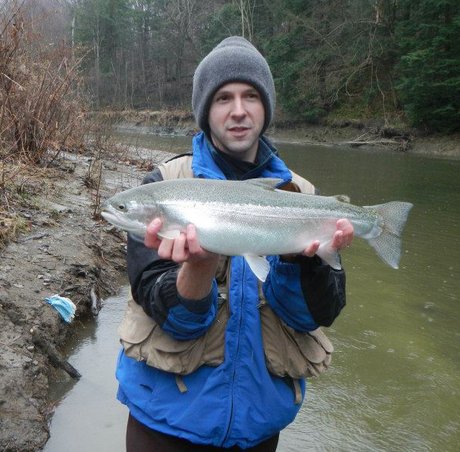
On February 14, 2019, the Great Lakes community and Region 8 of the U.S. Environmental Protection Agency (EPA) lost a well-respected scientist and a dear colleague, David Rathke. David was born Sept. 23, 1947, in Rockford, Illinois and was an outdoorsman at heart from an early age. He grew to love hunting and fishing. His love of the outdoors and inquisitive mind led him to The Ohio State University where he received his Ph.D. in limnology in 1979. The title of his dissertation was “Plankton and nutrient distributions and relationships in the central basin of Lake Erie during 1975.”
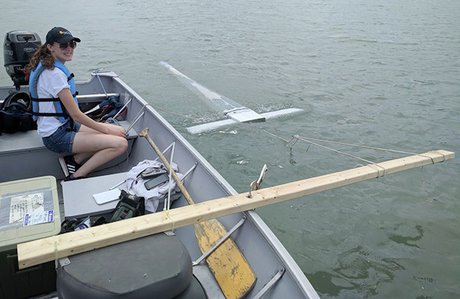
He worked for The Ohio State University’s Center for Lake Erie Area Research (CLEAR) from 1973 to 1978 performing his Ph.D. research. David particularly loved working at The Ohio State University’s Stone Laboratory, a 124-year-old field station located on Gibraltar Island that is part of Put-In-Bay in Lake Erie. David performed research and taught at Stone Lab, making friends and making an enormous contribution to our understanding of Lake Erie.
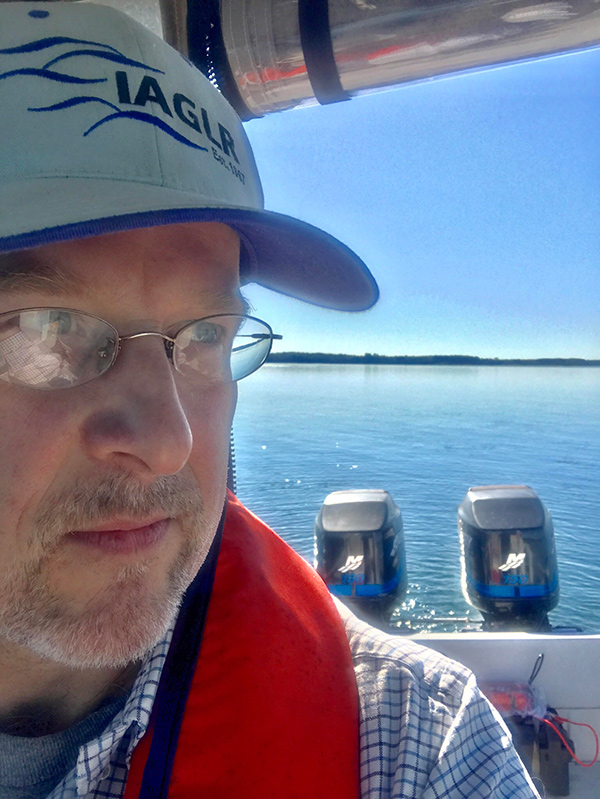
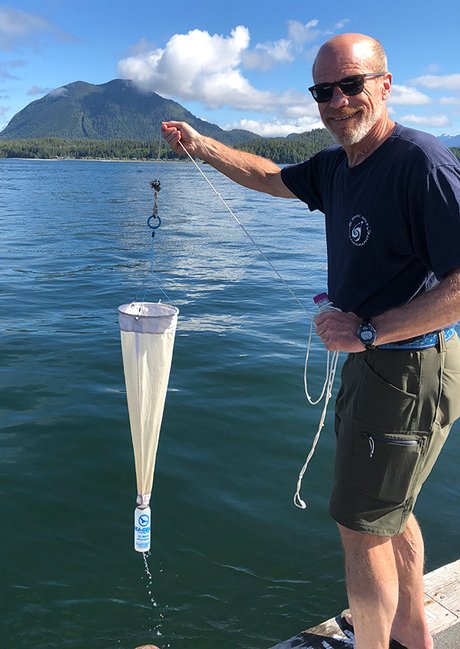
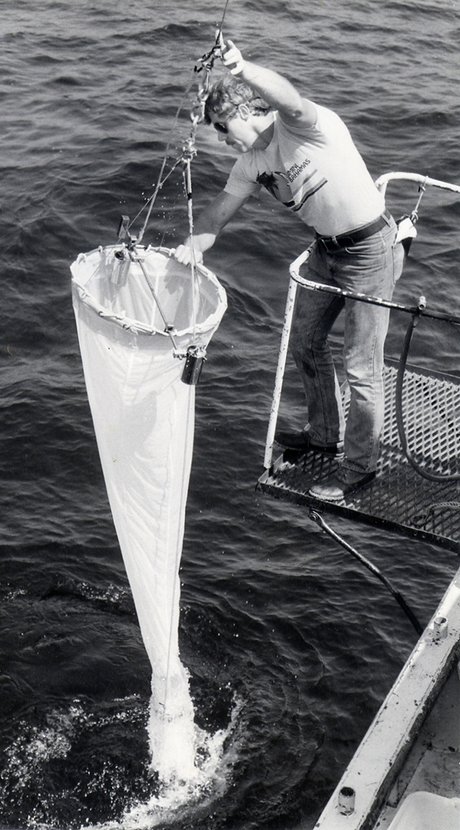
Following the completion of his Ph.D., David took a post-doctoral fellowship at Canada Centre for Inland Waters in Burlington, Ontario, from 1978 to 1980 where he worked with colleagues on the scientific basis for controlling cultural eutrophication and made many more good friends. Following his post-doc, he returned to the CLEAR where he supervised the research laboratory from 1980-1987. While at CLEAR, David started working on a number of International Joint Commission (IJC) initiatives, eventually becoming a contract employee of the IJC’s Great Lakes Regional Office in Windsor, Ontario. He served the IJC through 1989 in a variety of capacities, from performing comprehensive assessments of the health of the Great Lakes for the Great Lakes Water Quality Board to helping develop the Great Lakes International Surveillance Plan under the Surveillance Work Group to providing key leadership on workshops like the “Monitoring in Areas of Concern Workshop” that helped provide the scientific foundation for the cleanup Remembering David Rathke David Rathke sampling phytoplankton in Lake Erie, 1970s. of the most polluted areas of the Great Lakes. David truly loved the Great Lakes and worked for a total of 17 years on both understanding how they function and how we can be better stewards of them. Throughout this 17-year tenure, David authored over 20 scientific publications on Lake Erie, numerous IJC reports, and many peer-reviewed scientific publications. He also helped organize a number of special sessions at IAGLR’s annual conferences and many IJC workshops, and gave many scientific presentations at professional conferences.
David and his wife Pam then moved to Golden, Colorado, in1988. He joined the staff of EPA’s Region 8 in Denver in 1990 and spent the next 26 years applying what he had learned in the Great Lakes and leaving another legacy of environmental protection. Throughout his tenure at EPA, David used his Great Lakes’ knowledge and experience in controlling nonpoint source pollution and became Region 8’s first nutrient coordinator. This evolved into the establishment of the Region 8 Clean Lakes Program. David was named coordinator for this program and got to, once again, work on resolving water quality problems between the U.S. and Canadian governments. David, always being up to another challenge, was appointed in 1996 as a remedial project manager on the cleanup of several Superfund sites, including many formerly used defense sites. To no one’s surprise, David became Region 8’s subject matter expert on munitions’ remediation. Like he did in his Great Lakes work, David helped organize many national workshops, including developing the Uniform Federal Policy for Quality Assurance Project Plans, which is now the standard for environmental work planning for federal agencies. David retired from EPA in 2016 to Buena Vista, Colorado.
Wherever David went he made friends and made significant contributions. He truly has left a legacy of Great Lakes science, environmental protection, and transboundary cooperation on water resource management.
Each of us is a better person for having known David and each of us has lived a richer and fuller life because of David. We are profoundly thankful for his life, friendship, and his many contributions to science, water resource management, and environmental protection.
Dave is survived by his wife of 30 years, Pam; sister, Rose; niece, Nancy; mother-in-law, Julie; sisters-in-law, Dianna and Heather and their families; many friends and his beloved pets, Max and Stella.