The annual conference on Great Lakes Research in Brockport, New York, is fast approaching and provides an opportunity to kick start a conversation around professional development and mentoring within the community.
In our recent survey, IAGLR members identified mentorship as a key need. In response, the IAGLR board has developed a Professional Development Subcommittee to identify actions that IAGLR can take to improve on its current activities. Part of the aim of this subcommittee will be to develop opportunities that benefit folks across multiple stages of their career, so stay tuned. We also hope to use this column for advice and shared experiences. In the meanwhile, feel free to reach out to me with your questions and ideas.
If this is your first scientific meeting, welcome to IAGLR. Here are a few things to keep in mind for a productive meeting experience.
Effective communication
This is a great opportunity to practice sharing your research in a 30-second to two-minute version (without acronyms). IAGLR attendees hail from a variety of science and communications backgrounds, so it’s good to keep things broad. You can always delve into details once you know their expertise.
Meet new people
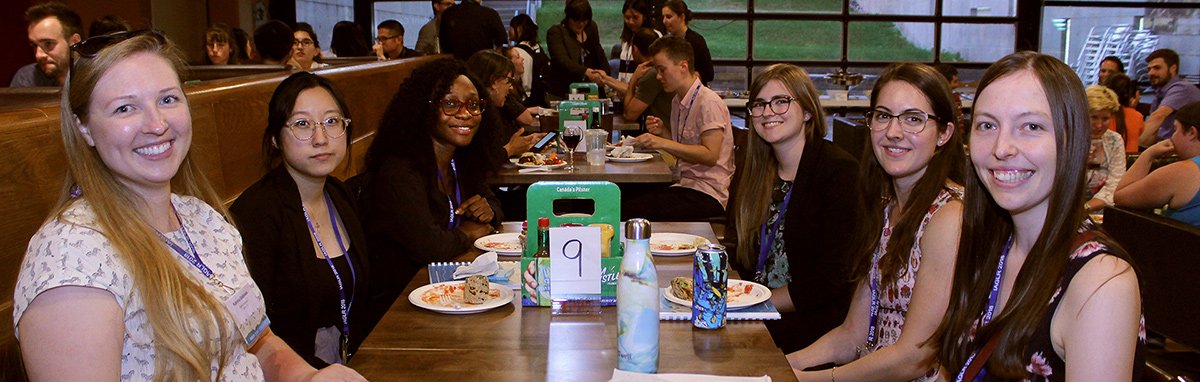
Sit next to people you don't know at dinner. Attend the student mixer and build relationships with other early career scientists. Ask your adviser (or other senior lab members) to introduce you to their colleagues, who may in turn be your mentors and colleagues one day. Say hello to the IAGLR board members too; we are a friendly bunch.
Follow up
Make new connections? Reach out after the meeting as a way to build your network; perhaps you promised to share a paper? Follow new connections on ResearchGate, Academia.edu, or their science-related social media. Congratulate them on their new paper and get the scoop on their latest findings. LinkedIn can also be a great resource, so consider starting or updating your profile.
Take a break
Meetings can be like summer camp for scientists (here, with hockey and soccer). The “all in, all the time” nature of the week requires stamina. Be sure to recharge, so you can take best advantage.