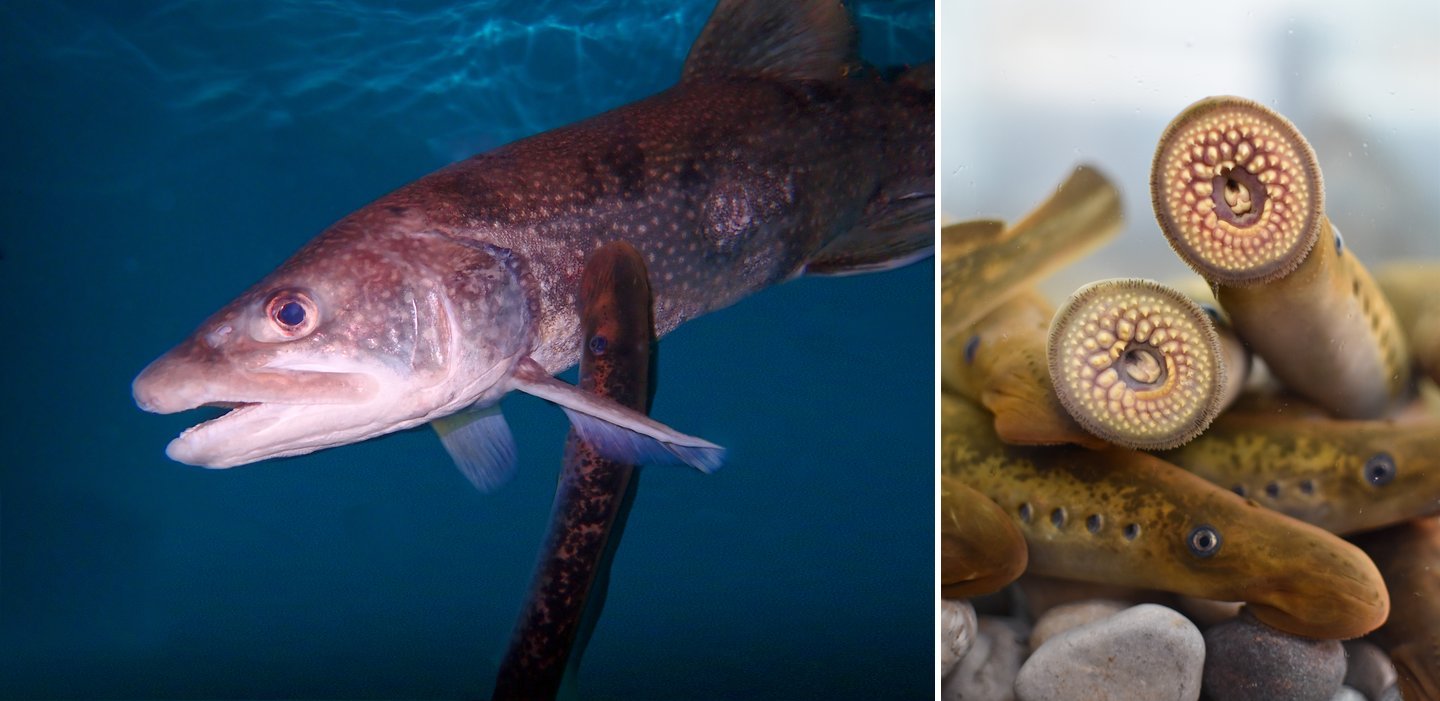
One hundred and one years ago during another blustery November on the Great Lakes, an ominous event occurred. Commercial fisher Alexander Crewe noticed a slimy, tubular-shaped fish attached to the side of a lake whitefish he captured from Lake Erie. This unusually shaped fish with an even more unusual habit of drinking the blood of other fish was later identified as a sea lamprey. Like a trickle that becomes a torrent during a raging storm, early sea lamprey observations like Crewe’s were the harbingers of an invasion that would eventually number in the millions in the Great Lakes. And the consequences of sea lamprey invasion were catastrophic, rippling throughout food webs and coastal economies. With the sea lampreys’ energetic demand adapted to parasitizing large fish in their native Atlantic Ocean, Great Lakes fish were far outmatched. Within only a few decades, the combined pressure of sea lamprey parasitism, over-harvest, and habitat alteration caused commercial fisheries to collapse and the economies of coastal communities dependent on those fisheries to crumble.
Yet, what was once one of the worst tragedies in the Great Lakes soon became one of the greatest success stories. Sea lamprey invasion gave rise to a collective realization that the health of the Great Lakes would require ongoing cooperation among governments, scientists, and users of the resource. The invasion thereby became the catalyst for a tremendous scientific exploration of Great Lakes fish populations and the development of the collaborative fishery management regime that exists today. Sea lamprey populations have been reduced to approximately 10% of their historic highs through a control program coordinated by the Great Lakes Fishery Commission and implemented through a variety of partnerships. This program is now recognized as the only reported successful aquatic vertebrate invasive species control program at an ecosystem scale. Thus, out of despair came victory.
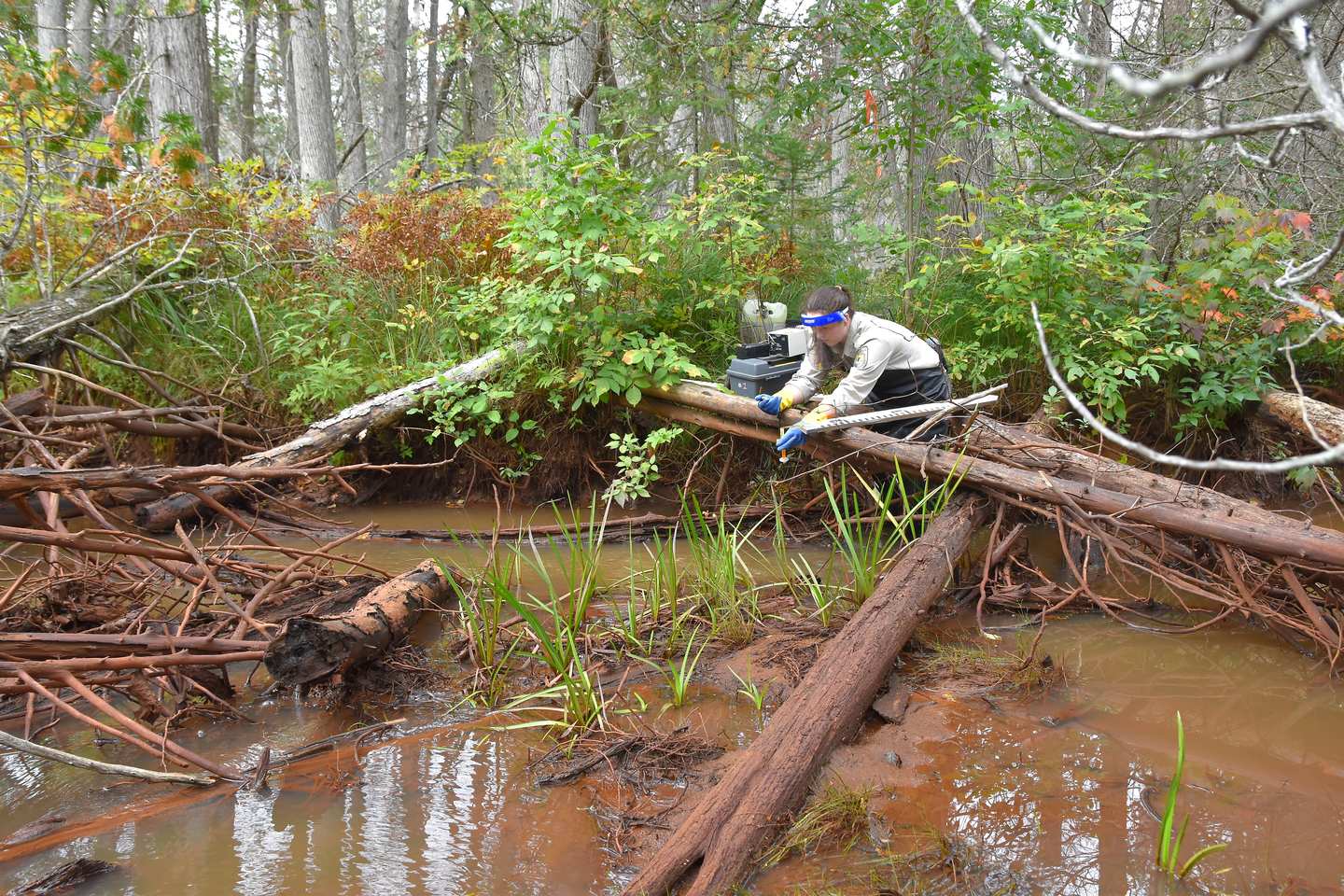
The commission’s sea lamprey control program would not be where it is today without a strong commitment to research and scientific innovation. Since the mid-1900s, researchers have worked tirelessly to discover, adapt, and hone methods to control sea lamprey. Today, sea lamprey populations are controlled through the integration of multiple techniques targeting several life stages—specifically, barriers to block migratory adults from accessing spawning habitat and selective toxicants, called lampricides, used to control the larval stage.
The future of sea lamprey control—and valuable Great Lakes fisheries—will depend on a continued commitment to research. Currently researchers are developing new lampricides, testing portable seasonal barriers, and creating barriers that allow for the selective passage of desirable fish while blocking sea lampreys. Additional projects are identifying ways to control other sea lamprey life stages and applying new trap designs for assessment and control. Researchers are also exploring how we can turn the sea lampreys’ keen sense of smell against them by manipulating behavior with attractants (pheromones), repellents (alarm cues), and chemicals capable of blocking the sea lampreys’ responses to pheromones (pheromone antagonists). With the sequencing of the sea lamprey genome complete, researchers are now also studying whether sea lampreys could be controlled through genetic techniques. Most recently, many of these experimental tactics are being explored in a supplemental control framework where their use would enhance the effectiveness of lampricides and barriers.
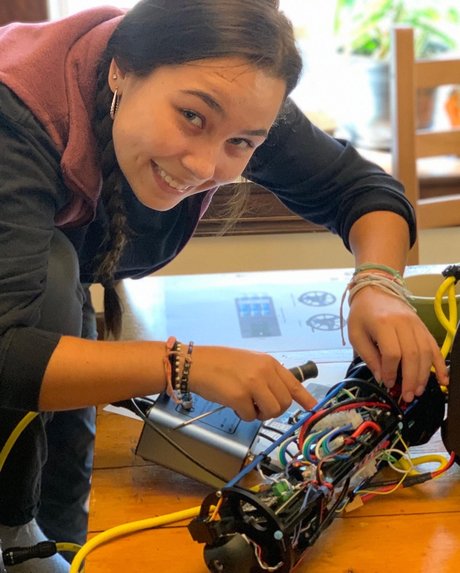
When the first researchers began developing control methods for sea lampreys in the mid-1900s, many described their work as a “mission” or “calling.” They tackled seemingly far-fetched projects, worked themselves to exhaustion, and pushed the metaphorical envelope of science to have the chance to save Great Lakes fisheries from a menace. Though decades have passed, that pioneering spirit has never left the scientific community. Dedicated researchers still work around the clock and test seemingly wild ideas to continue the legacy of successful sea lamprey control and sustainable fishery management.
Great Lakes Benefactor Profile: Meet the Great Lakes Fishery Commission
Great Lakes Benefactors provide vital support for IAGLR to carry out its mission. IAGLR recently welcomed its first platinum-level benefactor, the Great Lakes Fishery Commission. Here we profile the commission and its role in Great Lakes science, sea lamprey control, and fishery management.
What is the Great Lakes Fishery Commission?
The Great Lakes Fishery Commission was established in 1955 by the Canadian/U.S. Convention on Great Lakes Fisheries. The commission coordinates fisheries research, controls invasive sea lampreys, and facilitates cooperative fishery management among state, provincial, Tribal, and federal agencies. The commission has ensured an ongoing, robust working relationship between Canada and the United States for the benefit of the fishery and the millions of citizens who depend on the resource for food, subsistence, recreation, and income.
What benefit does the commission bring to the Great Lakes region?
The Great Lakes are a binational treasure that attract millions of anglers, support valuable commercial and charter fishing, are a mainstay for Indigenous Peoples, and are the very fabric of a healthy environment. Protecting Great Lakes fisheries—which are valued at over $7 billion annually—is at the heart of the commission's work. Healthy, vibrant Great Lakes fisheries are good for the economy and the environment.
What type of research does the commission fund?
Managing and sustaining the Great Lakes fishery depends on understanding the natural and human-induced factors that affect the lakes. The commission supports three types of scientific activities: fishery research, sea lamprey research, and science transfer. The commission funds research conducted by scientific and technical personnel in universities, private consulting firms, and federal, provincial, state, and Tribal agencies. See the current request for proposals on page 13 and contact research@glfc.org with any questions.
Is there a new research direction you would like to highlight?
One of our exciting new research endeavors is the Supplemental Sea Lamprey Control Initiative, or SupCon. Supplemental controls are tactics applied along with the two primary sea lamprey control tools—lampricides and barriers. This control strategy is based on the integration and synergy of multiple technologies to contain or remove adult migrant, juvenile outmigrant, and larval sea lampreys.
Why did the commission become a benefactor of IAGLR?
Our partnerships are essential for carrying out our mission. The success of the sea lamprey control program and maintenance of sustainable fisheries in the future will rely on technologies and techniques developed by the scientific community. By partnering with IAGLR, the commission engages with the premier body of researchers studying large lake ecosystems. IAGLR is a conduit, connecting us with established researchers, new talent, and people who care about healthy Great Lakes ecosystems as much as we do.