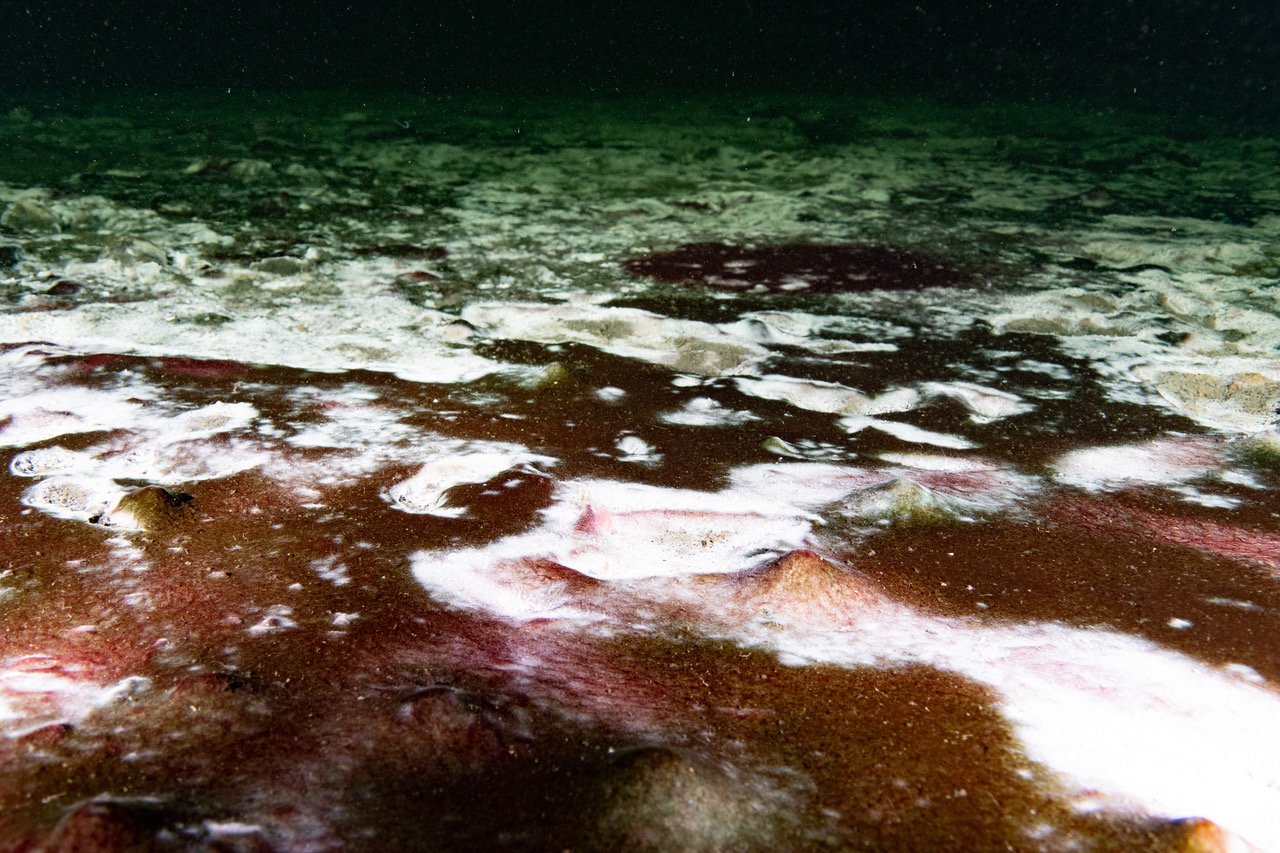
Imagine you could enter a time portal and see what life was like about three billion years ago in the oxygenless, sulfurous ocean. Much of the biosphere was barely a thin benthic film of life in the shallow seas and hidden away in the patchy thermal vents of the deep sea. Well, time, water, microbes, and geology have indeed conspired to create a modern-day equivalent. Underwater sinkholes in the Laurentian Great Lakes basin vent oxygen-poor and sulfur-rich groundwater that fuels the growth of mat worlds resembling life in early Earth’s shallow seas and deep-sea vents. This groundwater percolates through limestone aquifers that contain approximately 400-million-year-old marine evaporites, the salts left over by the seas once covering the basin. As the groundwater passes through, it gains sulfates and density and loses oxygen, venting this remix under Lake Huron. The result? Fascinating underwater, geobiological parks abound where some of life’s most enduring questions may be addressed.
Intriguing clues to our biosphere’s beginnings
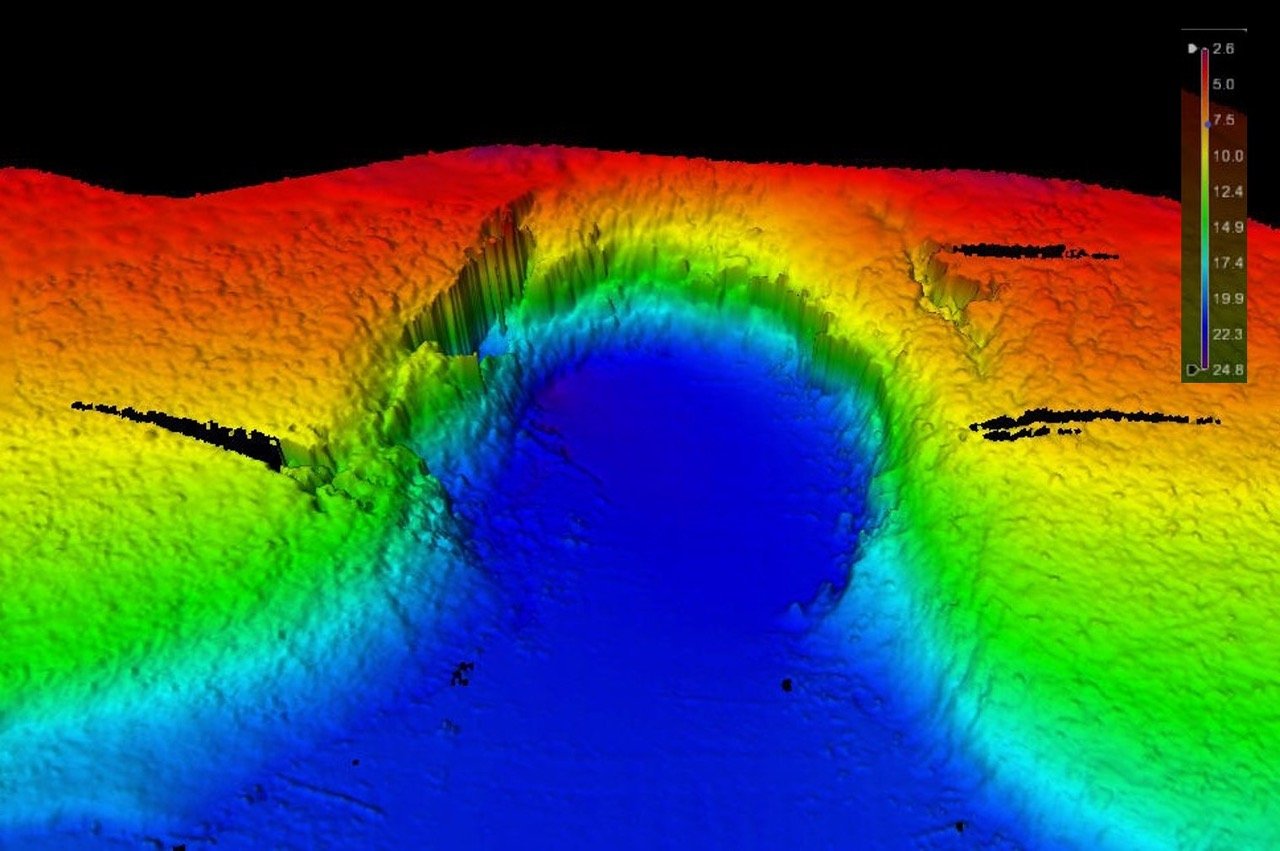
In 2001 maritime archeologists serendipitously discovered what appeared to be limestone karst features within the Thunder Bay National Marine Sanctuary. Since then, many submerged sinkholes have been discovered there in locations extending from shallow sunlit depths to deep waters of Lake Huron where no light penetrates. Conditions vary from the oxygenated, self-nourishing mat surface down to the oxygenless, methane-producing sediments. Here, photosynthesis is closely balanced by respiration, with some net oxygen production occurring late in the day—enough to oxygenate the environment over deep time. Furthermore, sinkholes are sinks for carbon where mat microbes’ daily vertical migrations facilitate burial and preservation of settling organic matter in underlying sediments, thus amplifying the biological pump. The daily lifestyle of these sinkhole microbes offer many clues to how life on the early biosphere might have functioned.
Contribution to extant biodiversity & physiologies
A diverse assembly of bacteria and archea, along with viruses, characterizes the microbial mats of Lake Huron’s sinkholes. A limited number of protists and even low-oxygen-tolerant invertebrates such as tardigrades and nematodes occur at the periphery of the sinkholes where groundwater mixes with lake water. Here, primary producers include motile filamentous cyanobacteria that photosynthesize and bacteria that chemosynthesize. The sediment below the mat includes layered niches of, for example, sulfate-reducing bacteria and methane-producing bacteria. Indeed, omic studies into the composition of these communities, particularly proteomics, suggest that the mat communities are functionally diverse and versatile and could harbor secondary metabolites of pharmacological potential.
Models of early Earth, deep sea & extraterrestrial life
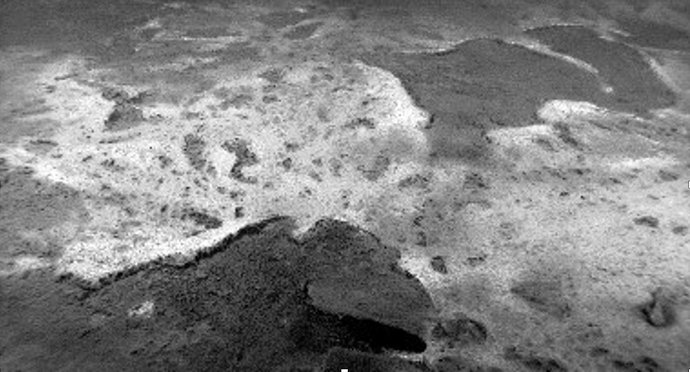
Extending from shallow to deep waters, Lake Huron’s sinkholes serve as working models for life in early Earth’s shallow seas and as analogs of life around deep-sea sulfur vents, all with relatively easy access. Indeed, ROV footage around deep sinkholes reveals white benthic mats of chemosynthetic bacteria similar to what deep-sea submersibles find around deep-sea vents where, presumably, life first originated. Furthermore, it is quite possible that life in extraterrestrial habitable planets might be in the form of underwater mat worlds, and Great Lakes sinkholes may serve as useful analog test sites on Earth prior to space voyages.
Research hotspot for life’s unresolved questions
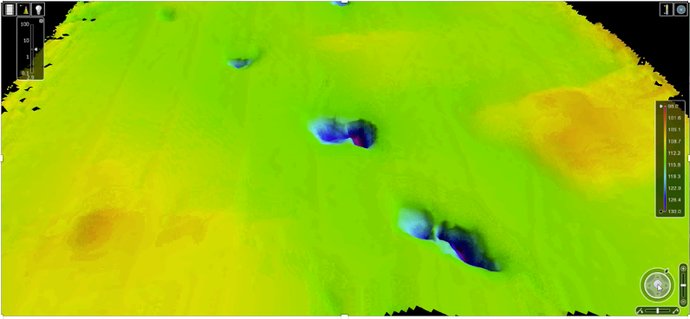
Hard-to-find submerged sinkholes may be abundant in all four lower Great Lakes, given the limestone karst bedrock underlying these lakes. Thus, collectively their contribution to Great Lakes biodiversity, physiologies, water quality, and even water levels are of interest. A recent article in the Journal of Great Lakes Research, “Tango in the Mat World,” vividly showcases the diel vertical migration of sinkhole microbes, describes the light-chemical cues that underlie such mass movement, and discusses the planetary level implications of their tiny one-millimeter journeys. Still, we have a very limited understanding of these recently discovered ecosystems, and many basic science questions relating to their structure, function, and significance remain unanswered. We welcome collaborations from the geoscience community for addressing these and other intriguing geobiological questions.