The Winam Gulf of Lake Victoria in Kenya is routinely plagued with toxic cyanobacterial harmful algal blooms (cHABs) commonly attributed to Microcystis and Dolichospermum. Local rural residents typically drink water directly from the lake, so cHABs may present threats to human health as well as to livestock. The Gulf is a shallow, hydrologically distinct portion of Lake Victoria and, as such, is similar to western Lake Erie. Both point and nonpoint nutrient sources are drivers of the blooms, which can occur year-round due to the equatorial location of the lake. Since climate change has contributed to longer growing seasons for cHABs in Lake Erie, we proposed that the Winam Gulf was ideal for a comparative study with western Lake Erie, as the Gulf might afford a glimpse of what Lake Erie may be like in future decades.
An American, Canadian & Kenyan Partnership
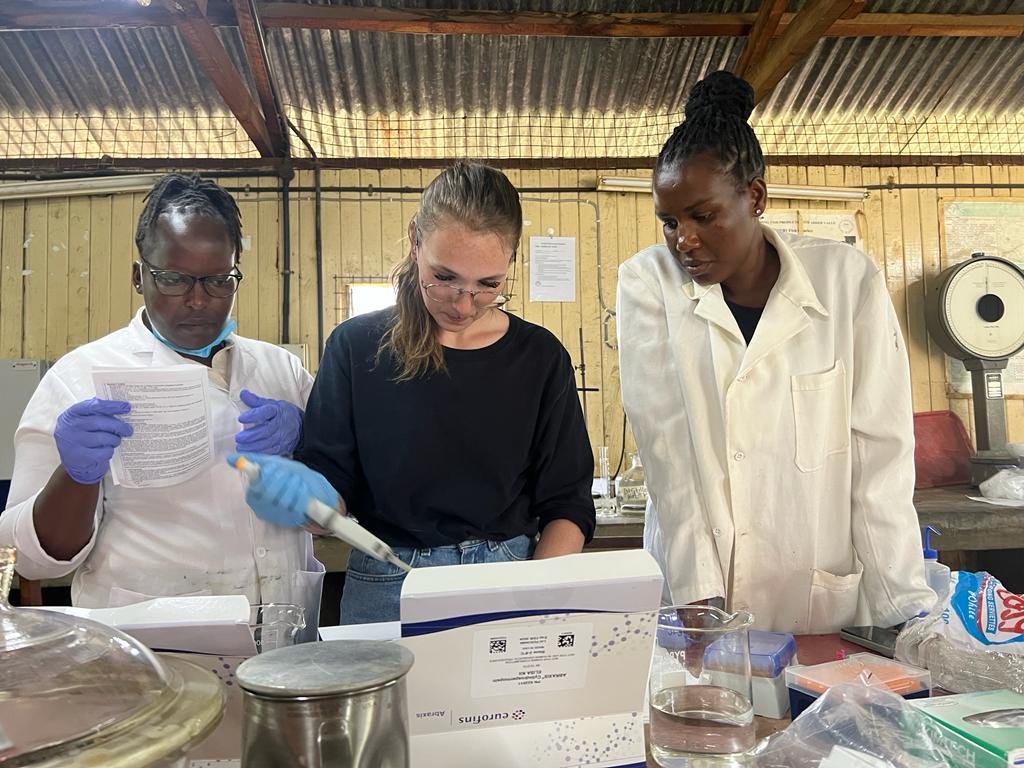
With funding from the National Science Foundation, we partnered with Kisii University (Kenya) and the Kenyan Marine and Fisheries Research Institute (KMFRI) to sample Lake Victoria in June 2022 and 2023. The program afforded opportunities for a contingent of North American graduate students to work side by side with a cohort of Kenyan grad students. George Bullerjahn and Kefa Otiso (Bowling Green State University) and Mike McKay and Ken Drouillard (University of Windsor) led the North American team. Ted Lawrence of the African Center for Aquatic Research and Education assisted with logistics. In 2022, nine American students from seven different institutions worked with 10 Kenyan students, and in 2023, seven American students from seven institutions nationwide collaborated with seven Kenyans. The Kenyan cohort focused on teaching the North Americans about the ecology of the African Great Lakes, while the Americans exposed the Kenyans to the omics methods we employ to study the cHABs.
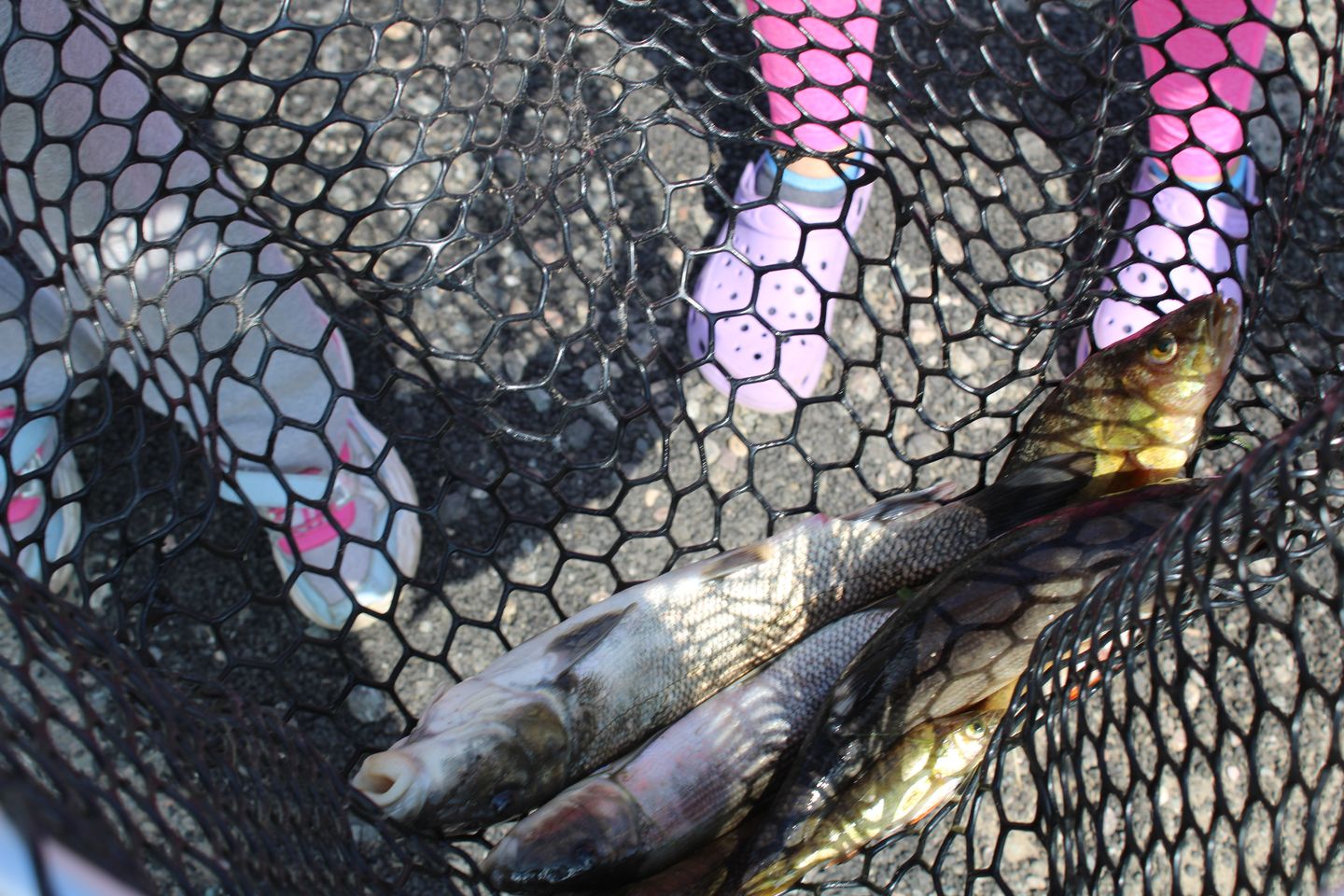
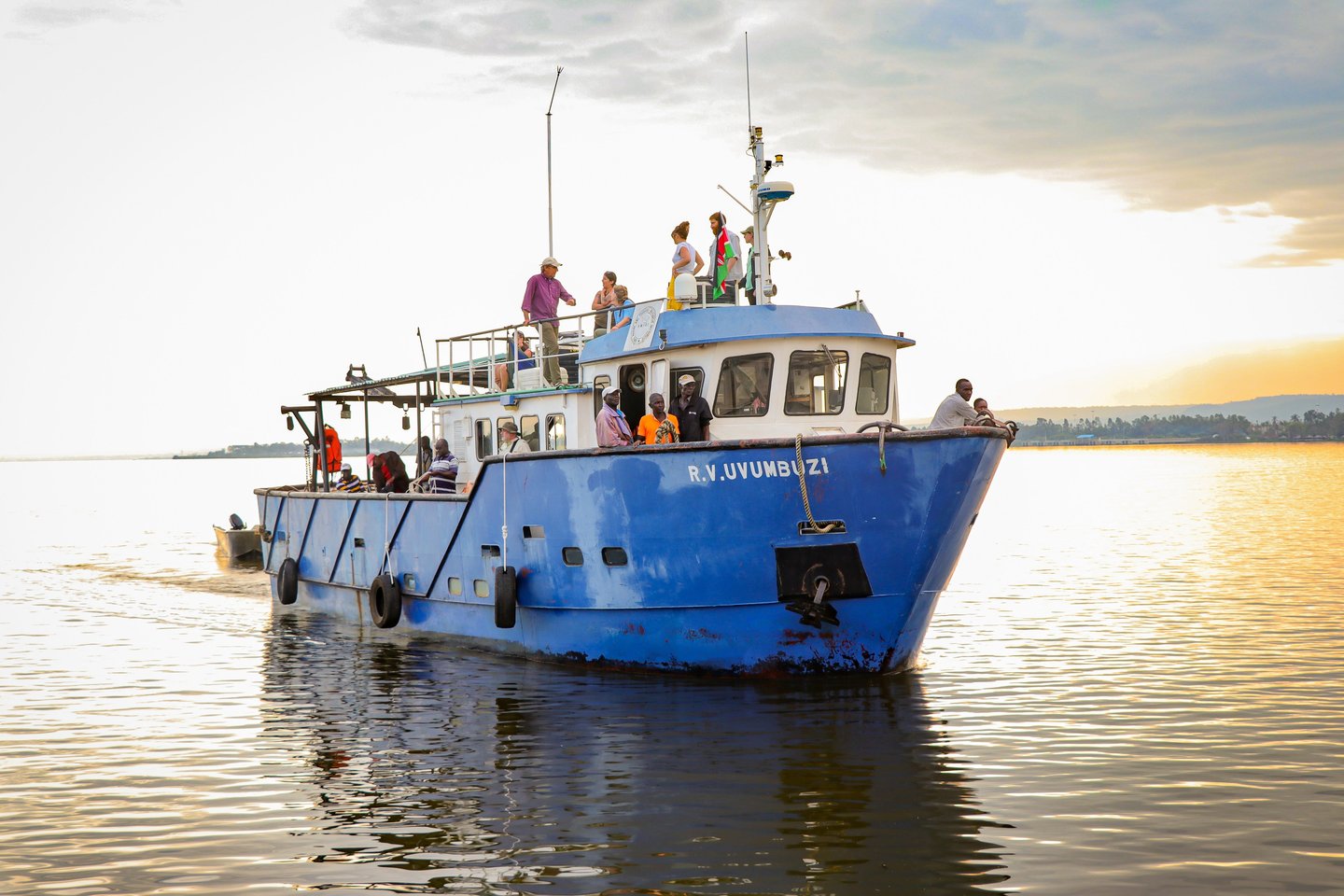
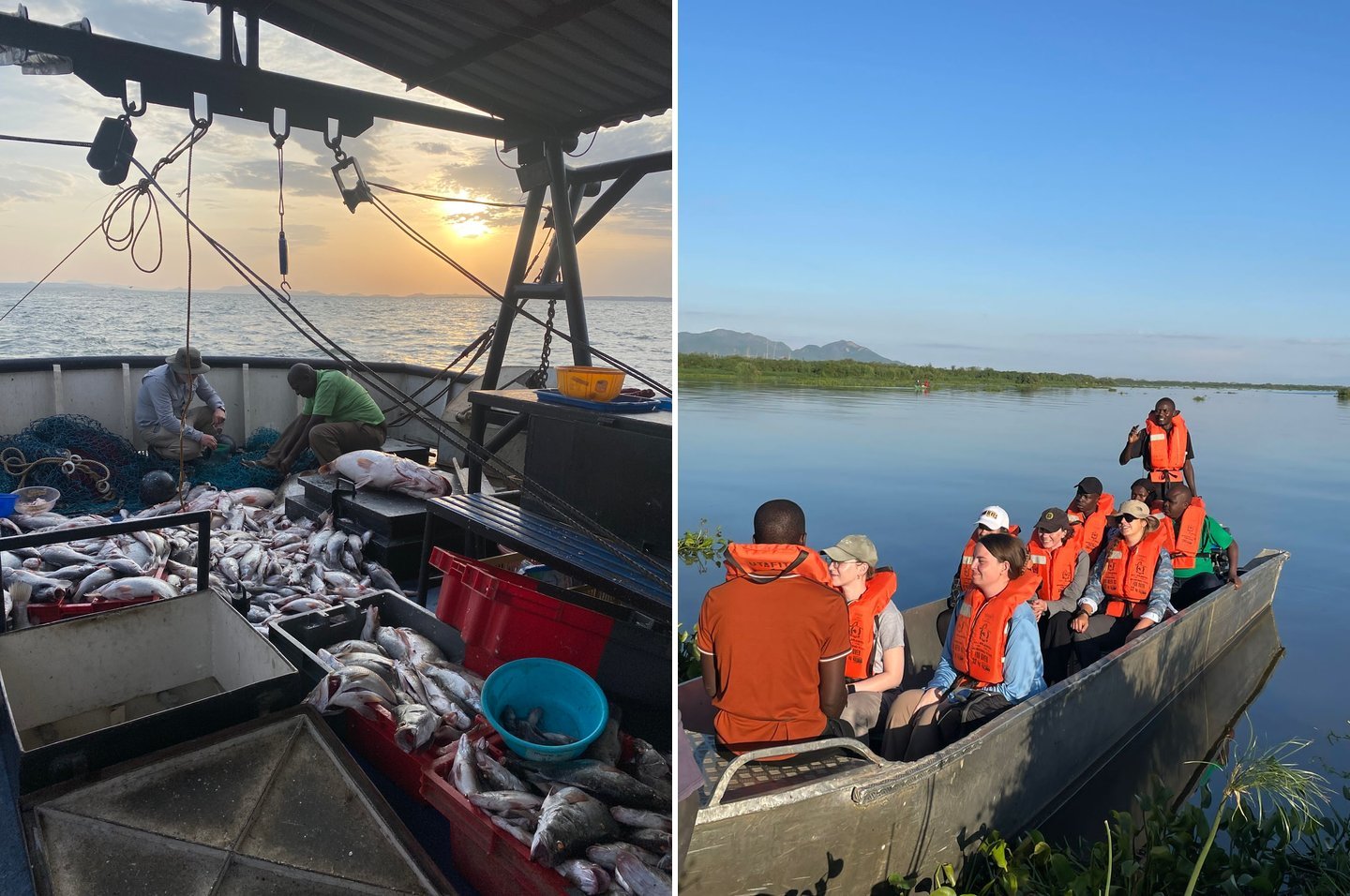
In 2022, research centered on two four-day trips around the Winam Gulf aboard the KMFRI research vessel (RV) Uvumbuzi. We primarily encountered Dolichospermum blooms throughout and sampled local fish populations through several trawls. In 2023, the sampling occurred during a single six-day cruise that covered all Gulf stations, plus several sites in the open waters of Lake Victoria, enabling us to compare microbial communities both in the Gulf and the open lake. Overall, our objectives were twofold: first, to determine the composition, genomics, and toxicity of cyanobacterial communities throughout the Gulf, and second, to assess the levels of persistent contaminants in fish. Highlights of our research included the discovery of a potentially toxic Raphidiopsis bloom near a turbid river mouth in the eastern Gulf. Student Kate Brown (Bowling Green) identified copies of the cyrA gene required for the synthesis of the potent toxin cylindrospermopsin at concentrations exceeding 106 L-1, identifying a potential novel threat to the water supply. Due to limited resources, rural and urban residents do not rely on water treatment plants to provide potable water, so the detection of cylindrospermopsin genes may indicate that serious impacts to human health exist due to previously undocumented Raphidiopsis cHABs. Indeed, follow-up studies in 2023 identified the presence of cylindrospermopsin in Gulf waters. This information has been shared with our Kenyan colleagues to allow continued monitoring for the toxin. Such knowledge is helpful because it allows the local residents to adjust their water treatment process to remove that type of toxin, a relatively straightforward process if they know it's there.
Another positive result emerged from the fisheries study, led by Drouillard and his Kenyan student, Dennis Otieno. Examining mercury concentrations across fish of different life stages, they detected mercury in fish, but at levels well below concern for human consumption. Lake Victoria fish have lower levels of mercury than fish consumed from the Laurentian Great Lakes. Reflecting the success of the research, to date four manuscripts have been submitted to peer-reviewed journals, with several more papers in preparation.
With residual funds from the NSF grant, a brief sampling trip occurred in early February to extend the dataset regarding the Raphidiopsis blooms. The trip confirmed the presence of cylindrospermopsin, and we await sequencing data to confirm the presence of Raphidiopsis. The detection of Raphidiopsis is relevant to a warming Lake Erie, as this typically subtropical genus has recently been sporadically detected in inland lakes in southeast Michigan and Ohio. It may be that Raphidiopsis spp. and the toxins it can produce become endemic in Lake Erie within a few decades.
A lasting benefit of the trips beyond the scientific outcomes was engaging with our Kenyan colleagues as well as experiencing Kenyan culture and viewing the beautiful Kenyan landscape. Students exchanged ideas about differences in tropical vs. temperate limnology, and the American students got to tour Nakuru National Park and the Great Rift Valley on the way to and from Lake Victoria. We thank BGSU professor Kefa Otiso and our Kenyan faculty partners Anakalo Shitandi, Reuben Omondi, Albert Getabu (all Kisii University), Christopher Aura Mulanda, Chrisphine Nwamweya (both KMFRI), and Lewis Sitoki (Technical University of Kenya) for their help in educating our students about Kenya and its history, as well as sharing their expertise in field research on the African Great Lakes.
See the story Turning the Tide for more information on this project.