More than 110 years after a 1913 collaboration among 17 Canadian and U.S. microbiology labs, the International Joint Commission (IJC) is seeking to advance another basinwide assessment of microbial water quality across the Great Lakes.
While sewage releases, beach postings, and waterborne disease burdens continue, the scale and diversity of fecal pollution sources have changed significantly. New waterborne pathogens have emerged, and new health concerns like harmful algal blooms (HABs) and the spread of antimicrobial resistance have become widespread.
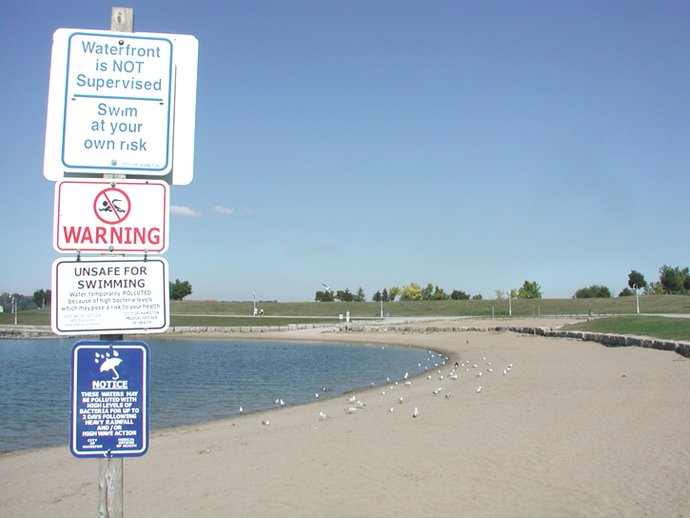
Fortunately, there have also been many advances in molecular and genomics technologies to better assess microbial water quality and the implications of changing microbial communities (microbiomes) in aquatic ecosystems.
In 2022, the IJC convened four workshops with scientists and water policy experts to explore how a new Great Lakes Microbial Water Quality Assessment could demonstrate the use of advanced molecular and genomics technologies for a basinwide assessment of microbial water quality and human and ecosystem health risks. The workshops identified technologies that are ready for progressing microbial source tracking, HABs assessment, and metagenomic analyses of microbial communities. Lab capacity and applications of PCR were best documented for fecal pollution source identification by microbial source tracking. However, lab capacity and active research using PCR and DNA sequencing were also identified throughout the basin for HABs assessment and metagenomics analyses.
The IJC will continue over the next three years to facilitate binational dialogue to develop a plan to validate and harmonize application of molecular technologies and modernize microbial water quality assessment for a large basin study across the Great Lakes.