The Consortium for Aquatic Science Societies (CASS), funded by NSF, launched the first Scientists Promoting Policy, Access, Research, and Knowledge (SP2ARK) Fellowship program in fall 2024. The three of us—Molly, Julia, and Anna—were chosen to participate in the selective fellowship as representatives of IAGLR, joining 30 fellows from U.S. and Canadian institutions and representing 10 aquatic science societies. The fellowship offered training and networking for early career scientists in science communication and science policy, with the intent that fellows could bring these skills and experiences back to our societies. The goal of the six-month program was to build a diverse next generation of leaders in aquatic science communication.
And that’s exactly what the program was doing, until April, when the NSF grant funding the program was cancelled, effective immediately. The Trump Administration offered little explanation, except that the program did not “effectuate agency priorities.”
What was gained
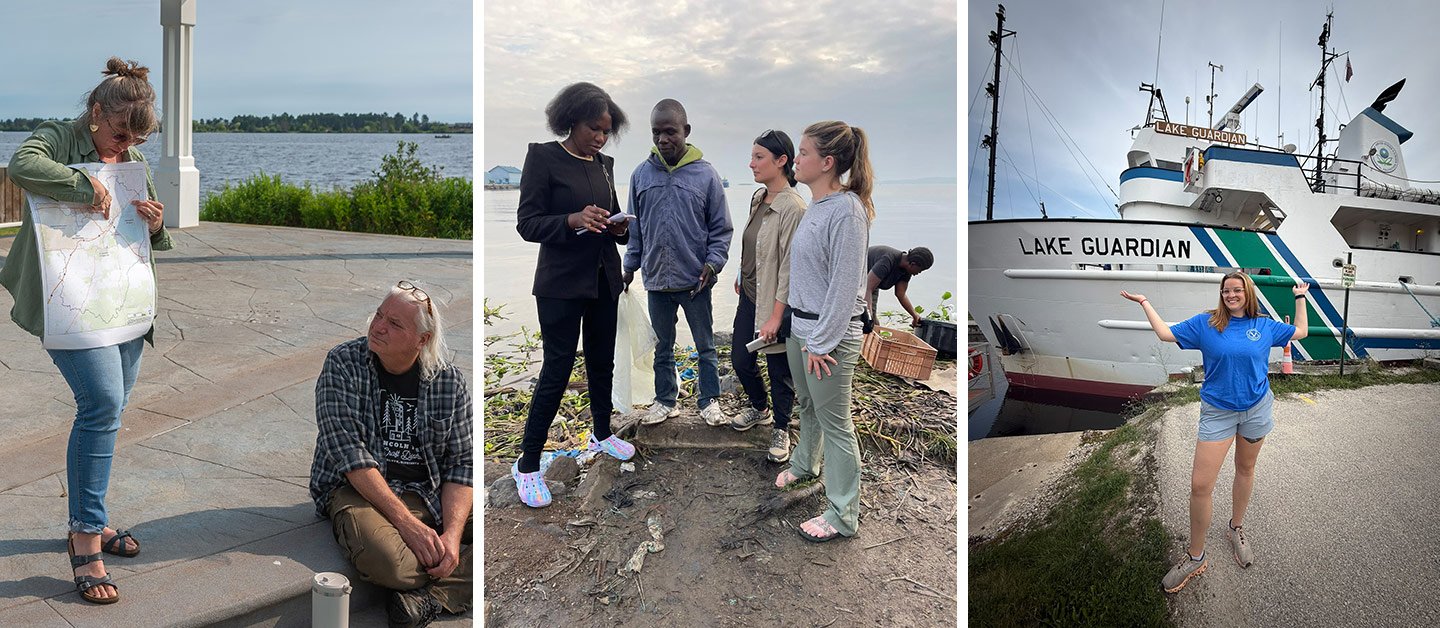
The program has had invaluable impacts on us and the Great Lakes already. For Molly, who was a postdoctoral fellow in social-ecological science, the fellowship was an opportunity to expand her network and connect her social science research to policy changes in the Great Lakes. She loved the workshop in “And-But-Therefore” narrative science. It offered simple tricks and shortcuts for crafting engaging, memorable messages, which Molly put to use in a presentation to EPA’s Great Lakes National Program Office.
Anna, a master’s student studying fish ecology in the Great Lakes, has noticed a lack of diversity in leadership within both academic fisheries communities and recreational fisheries groups. Through workshops like “Challenging Conversations” and “Connecting with Your Audience,” she gained valuable tips for engaging with members of diverse communities. By learning how to research her audience and apply strategies for conflict resolution, Anna feels she now has a strong foundation to navigate leadership within her university’s program, particularly in her graduate student council.
Julia, an international fellow and doctoral student studying aquatic microbiomes, is working on transboundary issues like algal blooms in Lake Victoria and Lake Erie. The SP²ARK program helped her realize that science is not just about lab work, data, or publications. It can only make an impact if it makes sense to societies we aim to serve. She now appreciates that for her to influence change, she needs to properly communicate her research findings with local communities and policy makers. This program was not just about training sessions but being part of a change, a community of young scientists trying to make the world better, one story at a time.
What was lost
Given the benefits of the program, its cancellation was a major loss. Staff volunteered their time to host the last training and wrap up the fellowship for us. The one cancelled training was, fittingly, focused on equity and environmental justice training. But the loss was not just our own. In addition to our cohort ending early, the NSF grant had included funding for two future SP2ARK cohorts and a SP2ARK Summit for CASS leadership. The summit would have been an opportunity for CASS leaders to see the outcomes of the program and for fellows to work with leadership on the science communication and policy goals of their societies.
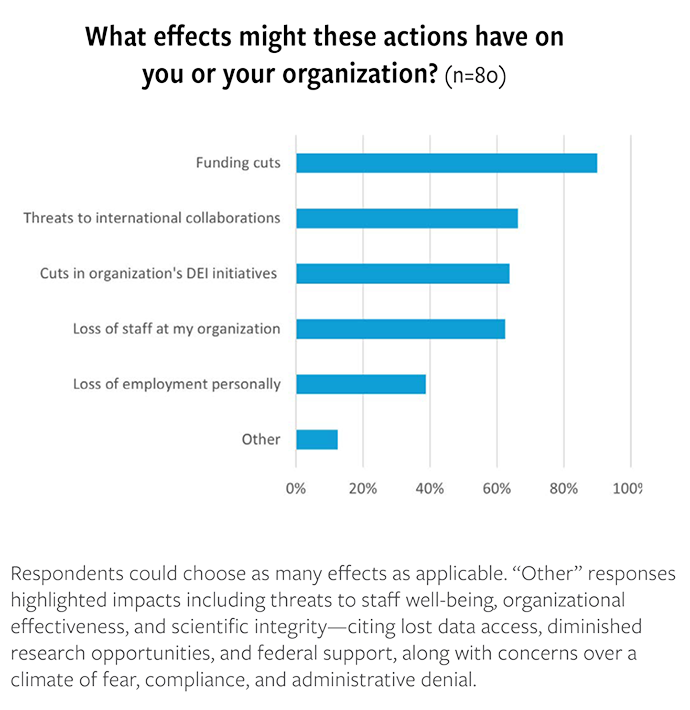
The cancellation of this grant and its programs, intended to educate and bolster early career scientists, is just one example of the deep and pervasive cuts in federal funding for science since the current administration came into office. The program elimination comes at a time when countless federal science and research grants are being cut, and pathways for early career scientists are being dismantled. For early career researchers, programs like this that advance skills, knowledge, and professional networks are more important than ever. More broadly, effective science communication that outcompetes the rampant misinformation is more important than ever. The loss of the program will only make it harder to create platforms for joint research, or bridge science and society to identify shared strategies for sustainable uses of aquatic resources.
What now?
However, we can learn from what happened in the aftermath of this loss. When the program was shortened, the leadership volunteered their own time to come together to make sure it was wrapped up in a good way. They should have been compensated for their work, but their willingness to do this showed their immense passion and care. It models the care we all need to be taking for each other during this difficult time. The fellowship cohort was no different. In the wake of the news of cancellation, a flurry of heartfelt emails of gratitude and empathy came from participants. Fellows stepped into the gap, offering to facilitate discussions, establishing a way to stay in touch, and sharing opportunities to take action. Now, we have a cohort that is connected to the future.
These actions give us hope that collectively, we can and will find alternative ways to advance and support programs like the SP2ARK fellowship that support early career scientists, train skilled science communicators, and ultimately advance effective science policy. Now is the time to work together to support one another and to imagine creative, new ways to continue to support science that protects the aquatic ecosystems we depend on for life. Even though the funding ended, what it started in us hasn’t. The spark is still burning!