Science and research in the Great Lakes have prioritized remediating past harm, which has led to tremendous strides in improving the quality of the Great Lakes. However, the Great Lakes science community must also be forward-thinking to minimize further harm to the health of our waters. The International Joint Commission (IJC) Great Lakes Science Advisory Board (SAB) is developing a Great Lakes Science Plan for the Next Generation (the Science Plan), which aims to help prepare the region and future generations to better understand this complex system and account for stressors to come. As a complement to existing efforts, the Science Plan will propose additional and new investments to fill management and policy-relevant science gaps and needs.
The SAB recently concluded its engagement efforts to support the development of the Science Plan. Efforts began in early 2024, when the SAB held a series of convenings with Great Lakes science stakeholders. Convenings focused on evaluating possible governance models for the final Science Plan; identifying science gaps and investment needs associated with monitoring, modeling, and forecasting; and exploring the establishment of Centers of Excellence and a workforce development strategy.
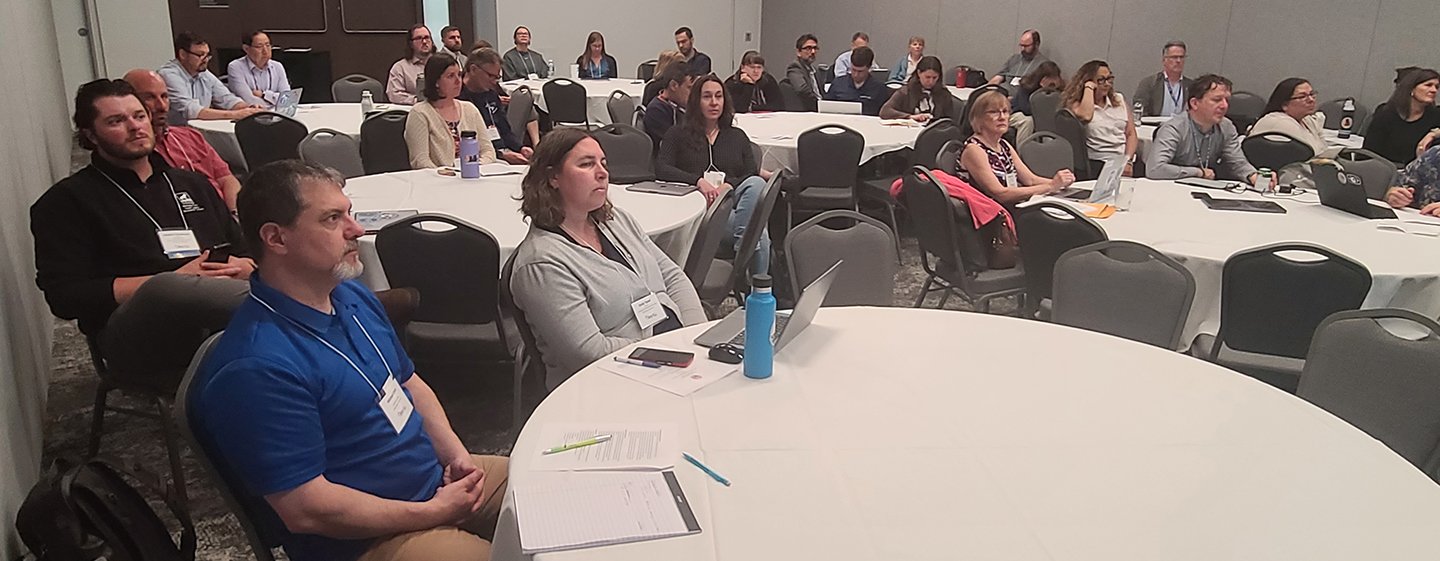
At IAGLR’s annual conference in Milwaukee this past June, the SAB facilitated a final, half-day workshop (pictured above) to expand on discussions from the previous convenings. Over two rounds of breakout groups, in-person and virtual participants self-selected discussion topics such as Indigenous priorities, implementation considerations, training and workforce development, research infrastructure, and governance. Participants shared ideas to help ensure the Science Plan will have broad support and help inform a solid business case that ties science to real-world management and policy outcomes and social, economic, and environmental benefits.
Key priorities for the final Science Plan emerged from these discussions. One key theme is the importance of Indigenous knowledge equity, where Nations are partners in Great Lakes science, rather than simply providers of Indigenous knowledge. Takeaways regarding inclusive workforce development, and the need to better share resources across the region were also highlighted. Of note, there was an emphasis on how future governance of the Science Plan needs to be rooted in clear communication across parties and identified roles, multinational cooperation, and diversified funding.
One key theme is the importance of Indigenous knowledge equity, where Nations are partners in Great Lakes science, rather than simply providers of Indigenous knowledge.
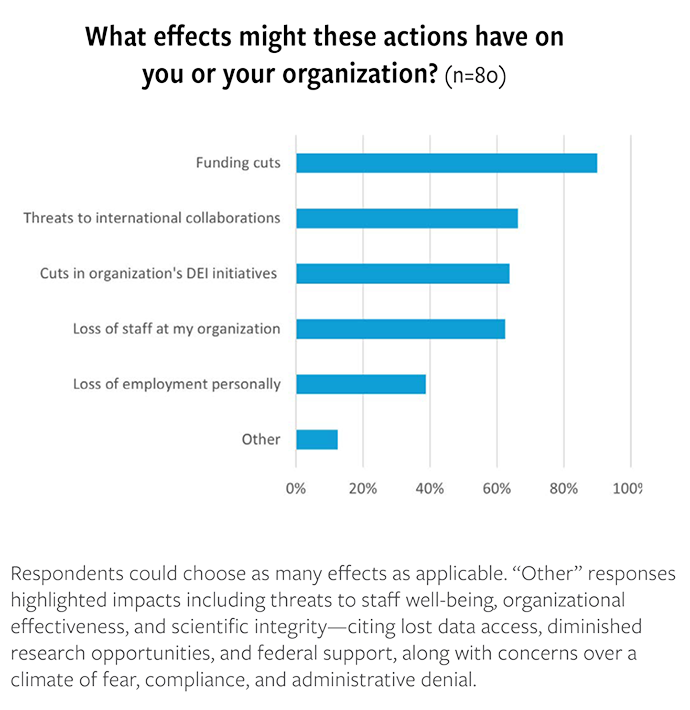
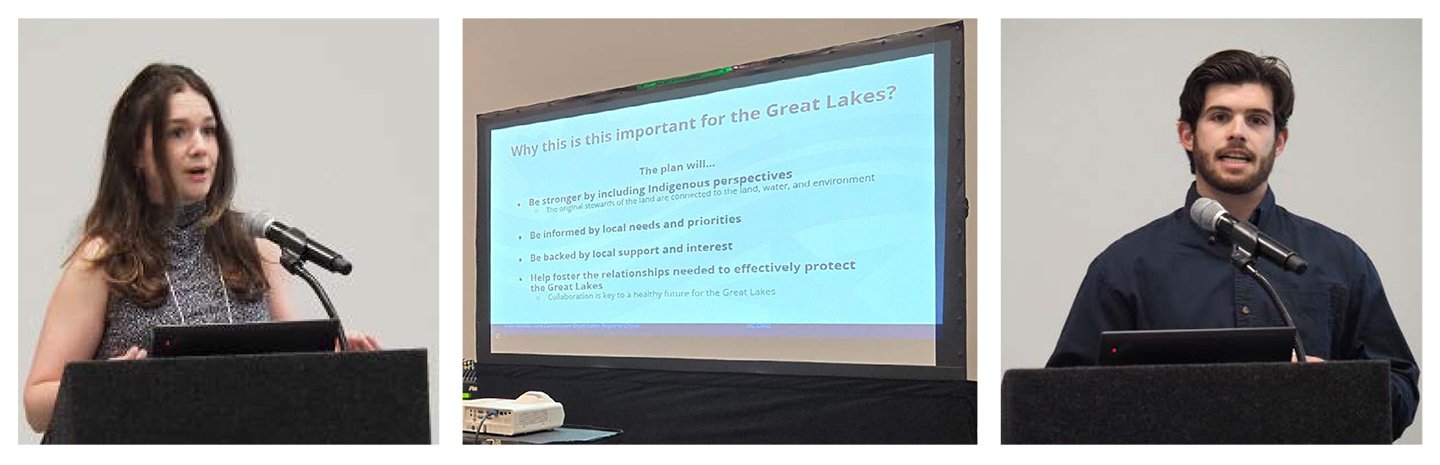
In addition to these convenings, three Sea Grant Fellows conducted a series of listening sessions and engagements over the last year with Great Lakes communities and Indigenous Nations. The goal of these listening sessions was to ensure the Science Plan reflects perspectives beyond academic and government views, so that communities and Indigenous Nations will see themselves reflected in the Science Plan. As the original stewards of the land, Indigenous peoples are connected to the land, water, and environment, and their inclusion in this Science Plan is key to its success. Finally, stronger collaboration in Great Lakes science that fosters productive relationships and connectivity among communities, Indigenous Nations, researchers, organizations, and government agencies is vital to a healthy future for the lakes.
The Fellows presented their lessons learned from these listening sessions at the IAGLR conference, during the “Advancing Resilience through Bridging Knowledges and Indigenous-led Research” session. The presentation highlighted the importance of practices rooted in ethical collaboration and relationship building, cultural understanding, and action-oriented approaches, and the importance of holistic science, especially when working with Indigenous Nations. A key takeaway from their work is the necessity of establishing free, prior, and informed consent and being fully transparent about research intentions and any data that are gathered. In addition, providing opportunities for continued input on research priorities and the direction of projects further establishes equitable collaboration and ownership among partners. Finally, recognizing and valuing Indigenous science as a credible scientific perspective will strengthen future research and facilitate stronger collaboration and scientific investments.
As a complement to the forthcoming Science Plan, the IJC is also studying the network of Great Lakes science practitioners and stakeholders. The IJC has partnered with researchers from Michigan State University to map the network of people and institutions that conduct, use, and fund Great Lakes science activities. The goal of this study is to gain insights that will help spread the word and communicate about the Science Plan, collaborate with the wider network toward implementing the plan, devise a pragmatic governance framework, and help inform next steps.
Over the summer, work will begin to draft the Great Lakes Science Plan for the Next Generation. The drafting will be guided by review and input from the project’s collaborative of experts, made up of representatives from more than 30 institutions including government agencies, universities, Tribal and First Nation agencies and organizations, and nongovernmental organizations. This collaborative will work to ensure the perspectives and recommendations gathered at the convenings and community engagements are meaningfully reflected in the Science Plan. Ultimately, the final Science Plan will help inform the IJC’s advice to the U.S. and Canadian federal governments on Great Lakes water quality issues.
SAB members offer their gratitude for the invaluable contributions of the many partners whose engagement is invaluable in shaping the Great Lakes Science Plan for the Next Generation to enhance and protect the future of the Great Lakes.