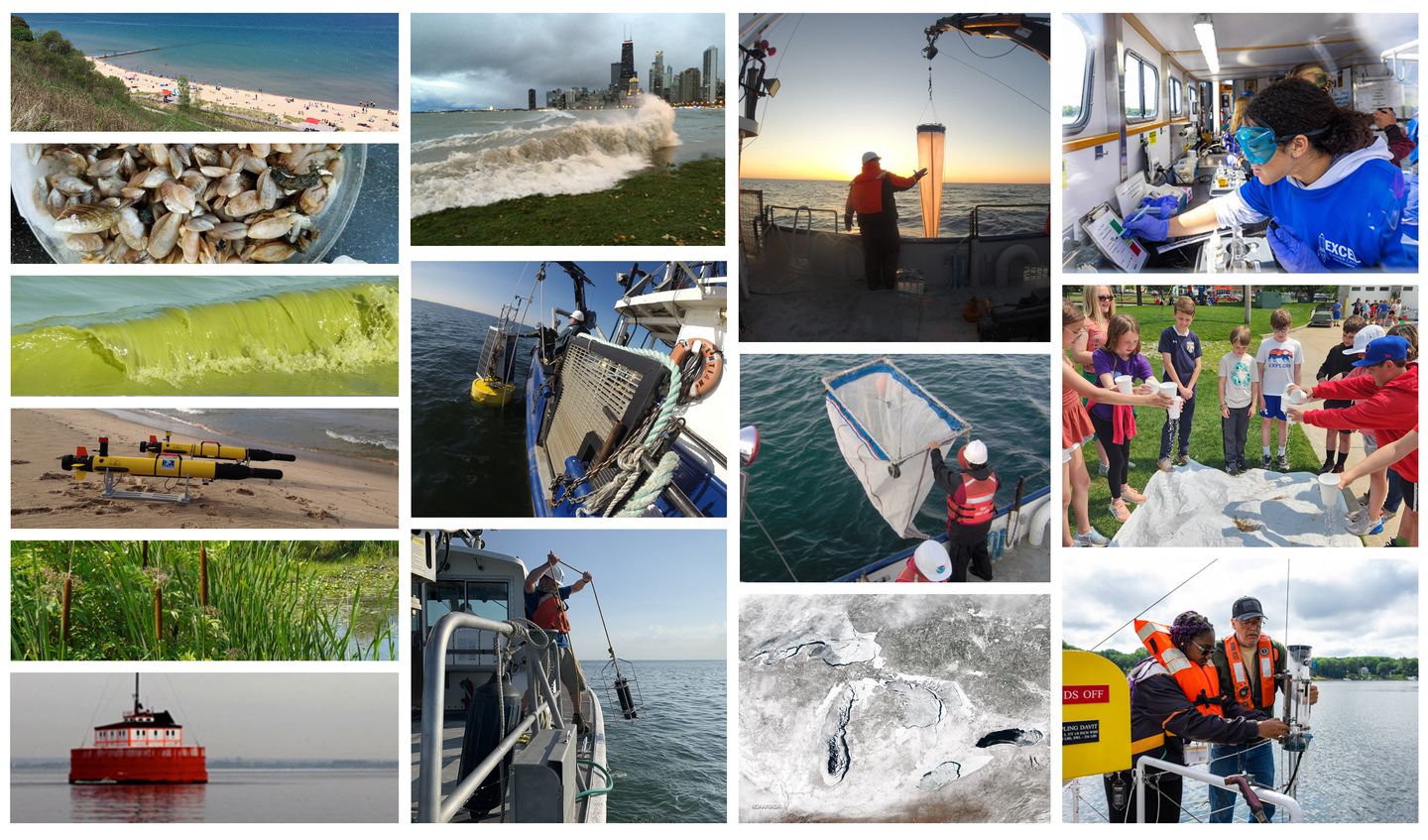
Resilience and adaptation are terms environmental scientists use to describe how ecosystems respond to stress—be it invasive species, climate change, or pollution. Increasingly, these principles apply to the scientific community itself. With U.S. federal public health and environmental budgets under strain, researchers now face a challenge of their own: can we practice what we preach?
Scientific research is more than a pursuit of knowledge—it is the backbone of progress. It teaches us from past mistakes, refines our ideas, and shapes better futures. When support for research falters, progress stalls, and the risk of sliding backward grows. The pressing question, then, is not only how science can withstand these pressures, but how it might emerge stronger and more resilient in the years ahead.
Here, the concepts of resilience and adaptation offer a guiding framework. Just as ecosystems need to absorb shocks and adjust, research institutions must find ways to endure today’s challenges while continuing to serve the public good.
Resilience: More than bouncing back
Resilience is more than simply returning to the way things were. It calls for anticipating risks, preparing for them, and emerging stronger on the other side. This is precisely the approach researchers must adopt in today’s policy landscape.
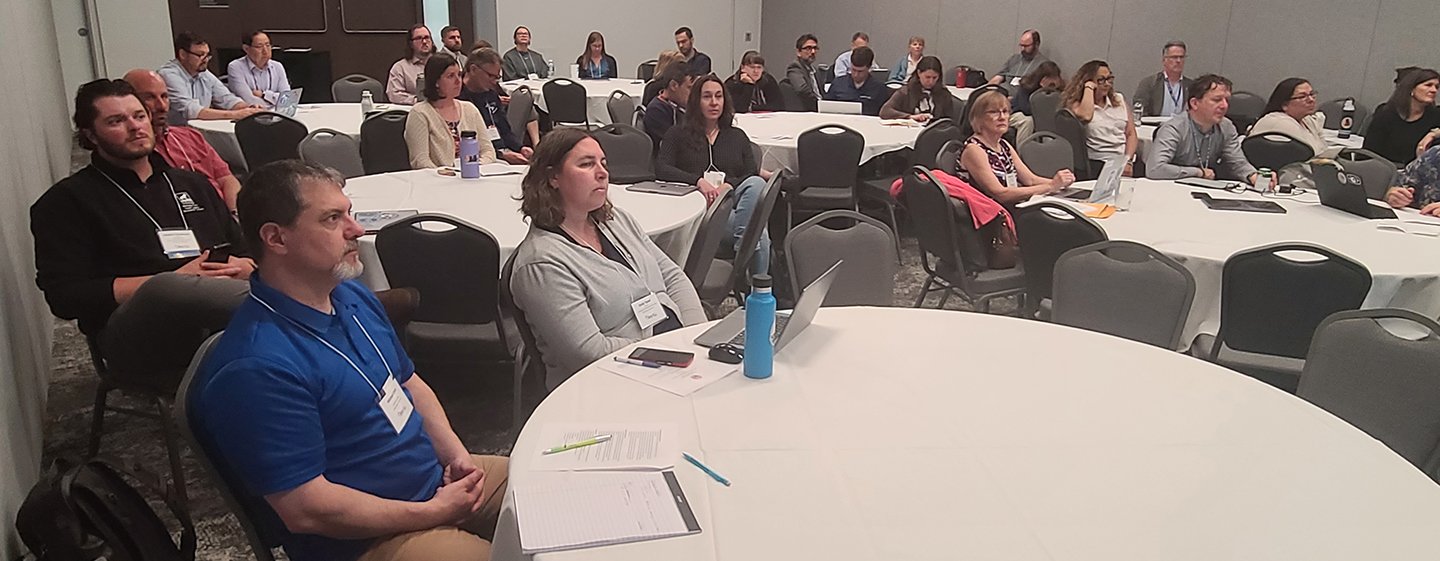
In my keynote at the 2017 conference of the International Association for Great Lakes Research, I urged colleagues to think and act beyond the walls of academia. Publishing papers alone won’t secure the future of science. If we want strong research budgets and evidence-based policies, we have to act as engaged citizens, too. Even choosing one or two ways to get involved politically—whether through community organizations or civic action—can make a difference. It’s our right, our responsibility, and our privilege. Good policy emerges when decisions are informed by research and aligned with community needs and values. This, in turn, reinforces the very foundation of science. Yet unlike many other professions, the research community remains politically underorganized. That needs to change.
Researchers must also reconsider how their work is funded and delivered. In a recent conversation with Great Lakes Now, I challenged nonprofits to recognize the new era we are in. To navigate these volatile times, I suggested they create new structures—such as operational arms not tied to tax-deductible donations—for more flexibility. Research institutions, too, should explore similar options.
From my experience teaching at a top-tier law school and helping to oversee a $2 billion Great Lakes restoration fund, I’ve experienced both sides of the grantor-grantee relationship. I’ve seen how steep university overhead costs can erode the value of grant dollars. It’s time to see whether alternative funding models could reduce those burdens while still supporting world-class research. Resilience, in this sense, involves more than enduring —it requires evolving.
Adaptation: Adjusting and thriving
Adaptation goes hand in hand with resilience, emphasizing flexibility, creativity, and thriving amid change. For the research community, this means continuously rethinking how science is supported, delivered, and applied.
A healthy perspective is key. Instead of viewing budget gains as “good” and cuts as “bad,” it is more productive to recognize them as part of a natural cycle. Healthy institutions evolve as conditions shift; those that fail to adapt risk irrelevance. Framing change as an ongoing process helps maintain perspective and builds the resilience that science needs to navigate uncertainty.
Adaptation also invites new thinking about the scale and purpose of research. For example, embedding research directly within restoration projects could generate valuable knowledge while delivering tangible benefits for ecosystems and communities. As a funder, I had a hard time balancing support for basic research with urgent needs to restore Great Lakes ecosystem health. By integrating research into individual restoration efforts—where studies can test project effectiveness and simultaneously collect data for understanding broader trends—science becomes both practical and forward-looking. This kind of creativity can help Great Lakes researchers anticipate, respond to, and ultimately withstand challenges.
Moving forward
Resilience and adaptation aren’t just strategies for ecosystems but survival strategies for science itself. By stepping outside our comfort zones, exploring flexible funding, embracing change, and embedding research in practical solutions, the scientific community can weather political headwinds and emerge even stronger. The Great Lakes—and the communities that depend on them—deserve nothing less.