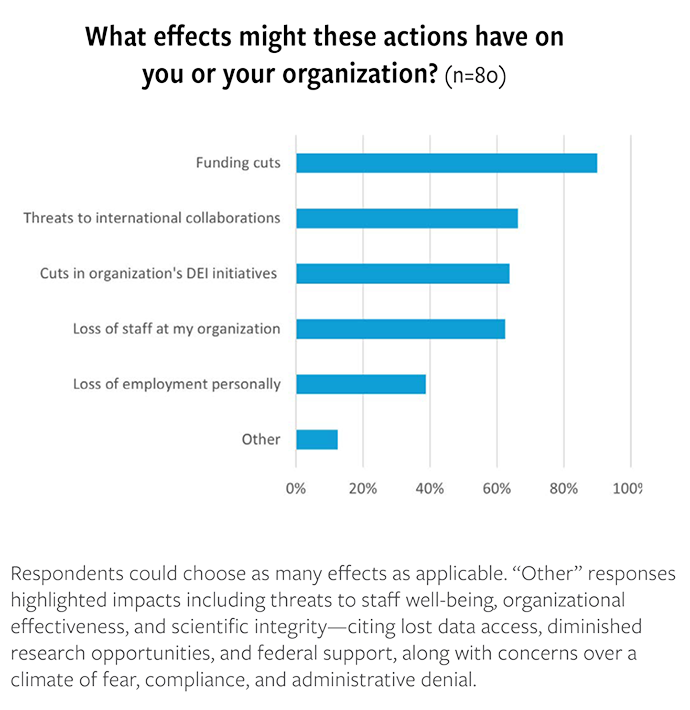
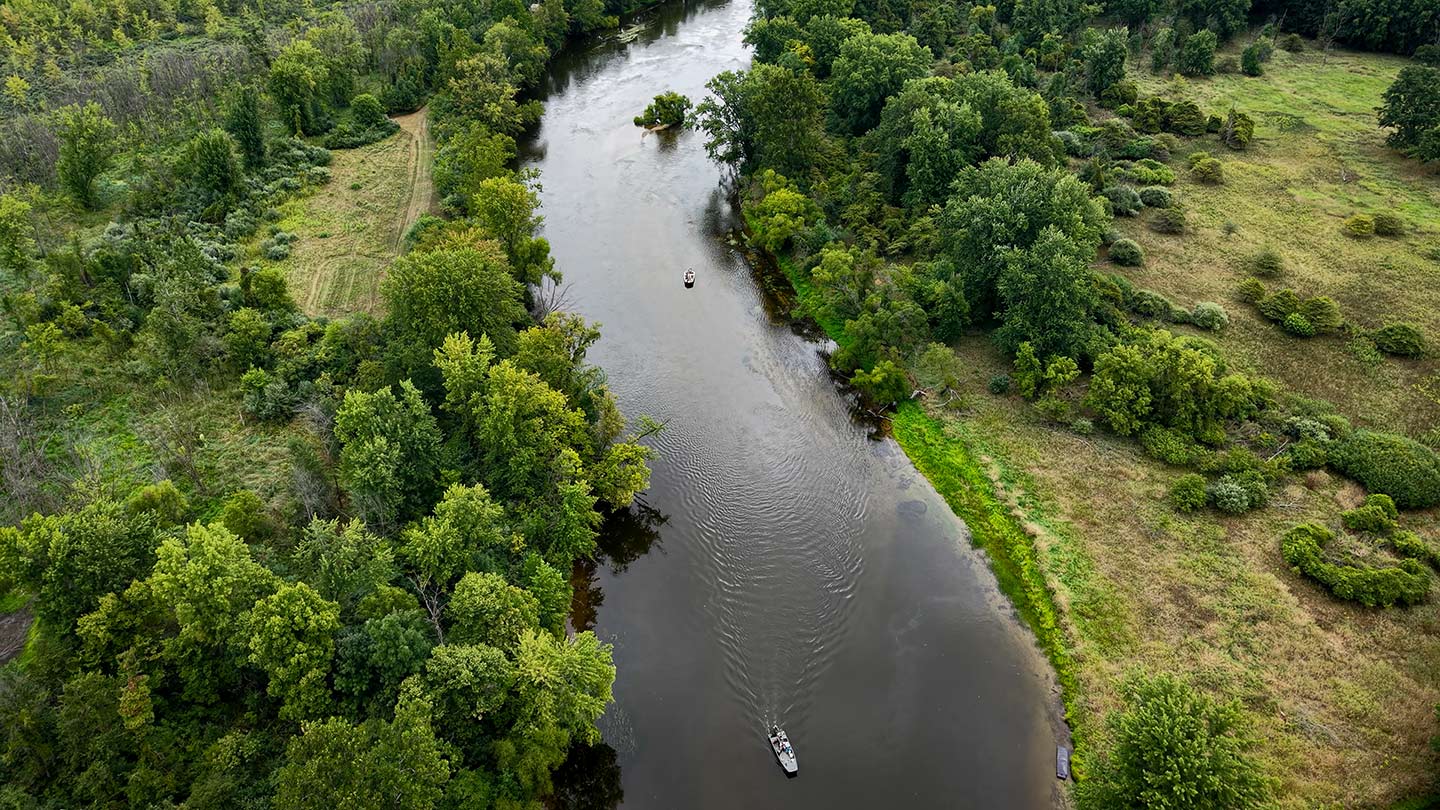
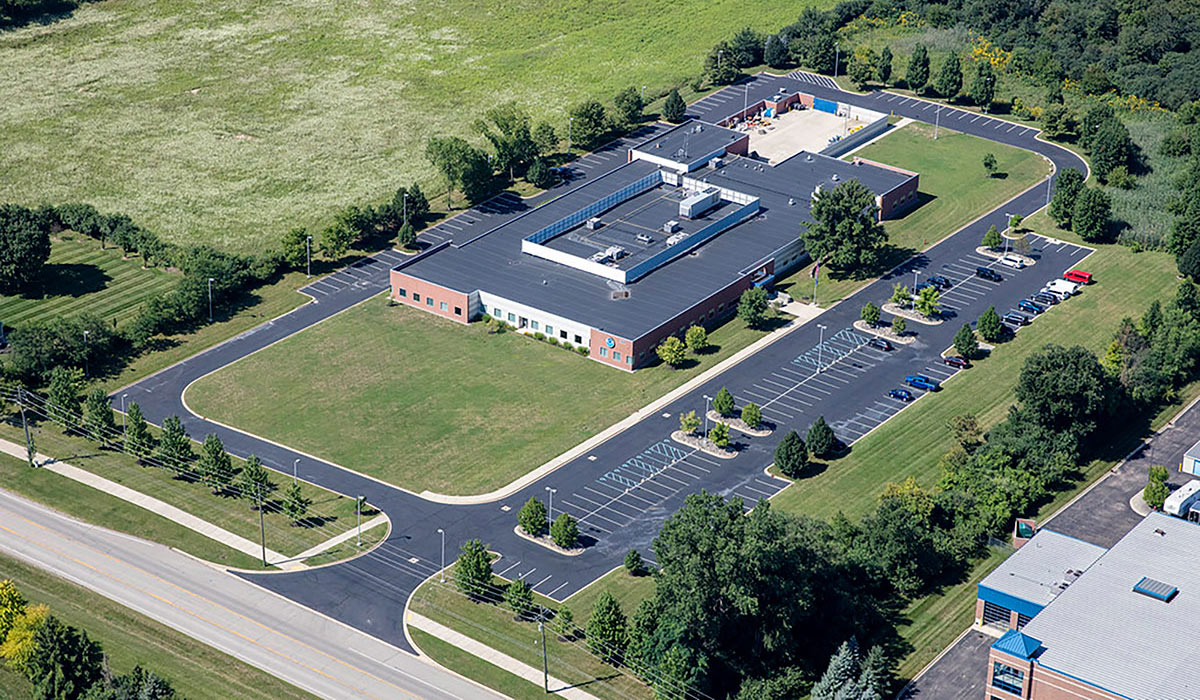
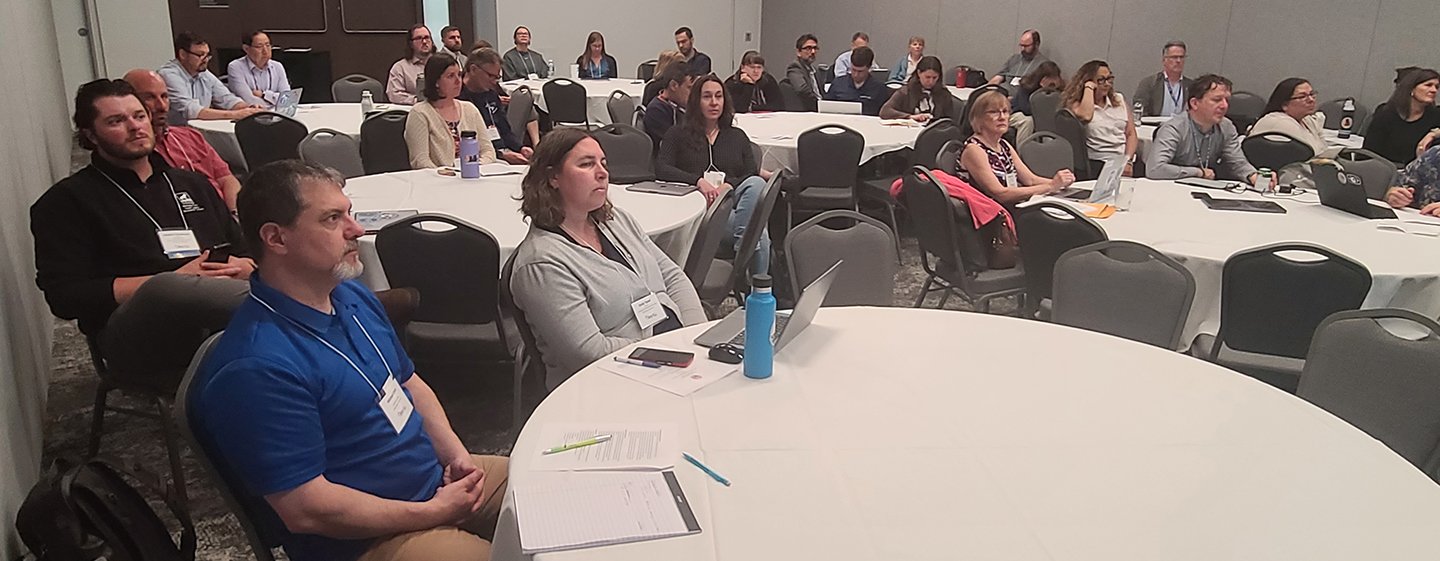
Leading scientists from across the Laurentian Great Lakes Basin joined together to make the case that scientific research on the Great Lakes is critical for the health, prosperity, and well-being of the millions of people in the Great Lakes region. Their commentary, published in the Journal of Great Lakes Research, comes as the U.S. has made harmful cuts to federal agencies that monitor, manage, and protect the Great Lakes, and with even deeper cuts to funding of Great Lakes research looming. They write that “reduced federal investment in the Great Lakes will have real impacts on stakeholders, leaving citizens, communities, businesses, and industries without the data and tools needed to safely and efficiently plan development and infrastructure investments, recreate, and operate on the water.” The scientists call on elected officials to defend the programs that support a strong economy and the health and safety of Great Lakes citizens and ecosystems.
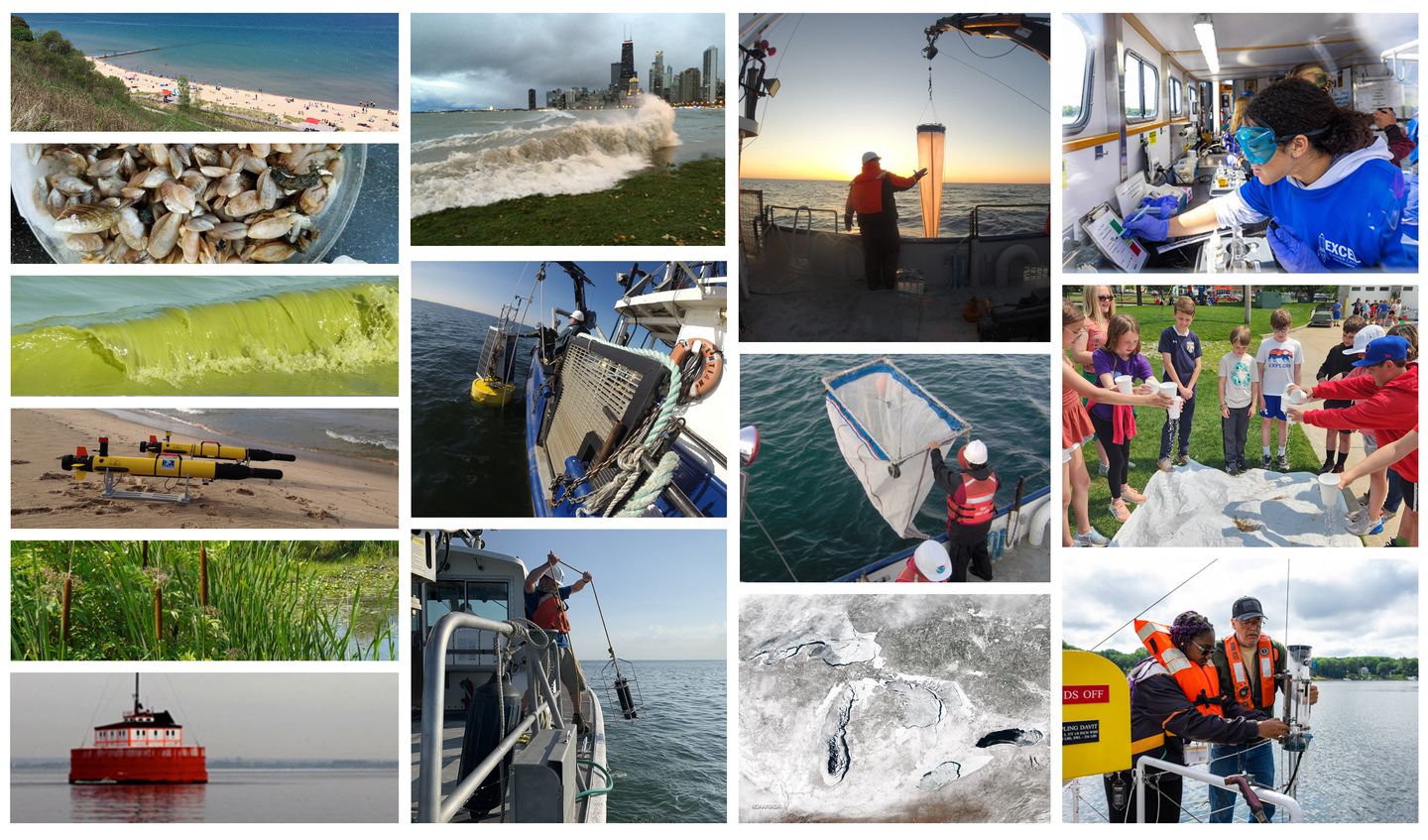
The authors—all leaders and collaborators of the Cooperative Institute for Great Lakes Research—draw on the many success stories of how Great Lakes science has protected human health and safety and stimulated business, industry, and the economy. They describe how research provides key information for dealing with wave after wave of threats to the Great Lakes, such as harmful algal blooms, hypoxia, invasive species, and water pollution. These scientific insights have been essential for developing solutions required to improve water quality, ensure safe drinking water, drive a thriving economy, support healthy fisheries, and restore the Great Lakes to conditions that allow swimming, boating, and the many forms of recreation that the people of the Great Lakes now enjoy.
The commentary also argues that scientific research is essential to meet the major societal challenges facing the Great Lakes today and those that will emerge in the future. Monitoring, modeling, and forecasting are needed to grapple with the profound effects of climate change on ecosystems and an increase in hazards such as extreme weather, coastal floodings, and rapidly changing water levels. Forecasts provide early warnings and critical information that keep people safe, prevent property damage and economic harm, and support informed decision making by coastal communities, utilities, resource managers, businesses, and industries.
Why is federal funding critical to protect the Great Lakes? Can state and local agencies, universities, and the private sector not fill this role? In addition to the scale of resources needed and complexity of the problems faced, federal funding is needed due to the multistakeholder and transnational nature of the Laurentian Great Lakes, the authors say. Federal funding incentivizes and mobilizes universities, agencies, companies, nonprofits, and citizen scientists, forming a highly collaborative network that conducts cost-effective Great Lakes research. In return, the academic, private, and nonprofit sectors recruit and train the workforce, develop innovative solutions, and connect researchers to stakeholders, thus serving on the front line of co-production, implementation, and action. Without federal investment this enterprise is at risk; the impacts could be devastating and endure for a generation due to the loss of the current and future workforce. The authors emphasize that federal investments in the education and training of the next generation of Great Lakes professionals are critical for future protection and management of the lakes.
Past investments in Great Lakes science, education, and outreach have been instrumental in educating and training generations of professionals who have been at the forefront of solving emerging challenges affecting the largest body of freshwater on the planet. These educational and training efforts extend across our K-12 schools, colleges, universities, local stakeholders, and state and national agencies to advance the priorities of a sustainable, safe, and prosperous Great Lakes-based ecosystem. Thus, education and training of future generations of Great Lakes professionals should remain a top priority.
The authors point to a long and successful track record of investments in Great Lakes research paying off in the form of revitalized communities, commercial development, and strong water-based recreation and tourism. Taken together with the potentially enormous human health risks and financial expenses of not effectively and proactively dealing with hazards such as toxic algae, extreme weather, and coastal flooding, it is clear that investment in research is a cost-efficient strategy to protect resources, stimulate the economy, and sustain the unique way of life in the Great Lakes basin.