Canada is home to 20 percent of the world’s freshwater reserves. Preserving and restoring these resources is fundamental to the health and well-being of our environment, communities, and economy. However, the challenges facing water quality and ecosystem health are becoming more complex, particularly with the ongoing impacts of climate change, and considering the multi-jurisdictional nature of water management in the country. Now more than ever, it is essential that we work together to keep our waters clean and well managed for current and future generations.
Since 2019, successive Speeches from the Throne and Mandate Letters from the prime minister to the minister of Environment and Climate Change Canada (ECCC) have committed to strengthening and expanding the Freshwater Action Plan, including Great Lakes programming, creating a Canada Water Agency, and modernizing the Canada Water Act. A lot of work has happened over the years to advance this freshwater agenda, such as detailed engagement with multisectoral partners and the public on priorities for future Great Lakes programming, as well as on Canada’s most pressing freshwater challenges and the role the Canada Water Agency could play to help sustainably and collaboratively manage freshwater across the country.
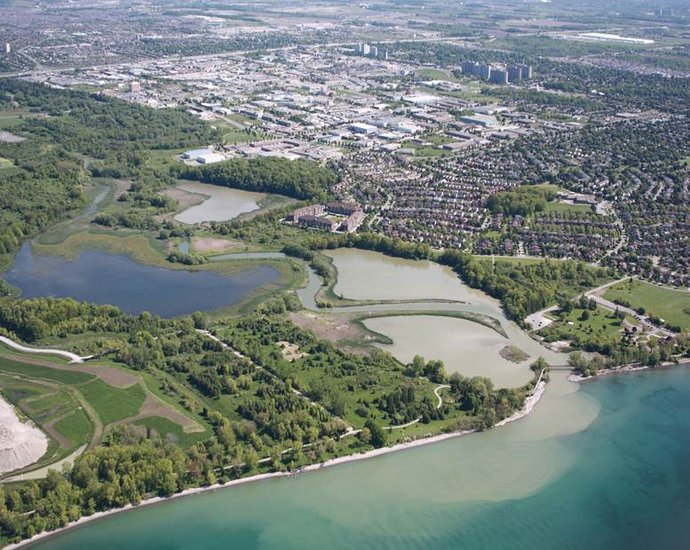
On the heels of the 50th anniversary since the signing of the Canada–U.S. Great Lakes Water Quality Agreement (GLWQA), the Great Lakes scored a big win. On March 24, 2023, a new historic Canadian federal investment of C$420 million was announced by Prime Minister Justin Trudeau during his visit with U.S. President Joe Biden, as part of both countries’ renewed commitment to preserving and restoring these iconic waters and enhancing the resilience of the communities and people that depend on them. This funding represents a five-fold increase in new Canadian investments for the Great Lakes and is part of the March 2023 budget announcement of C$650 million over 10 years, starting in 2023–24, to support monitoring, assessment, and restoration work in the Great Lakes, Lake Winnipeg, Lake of the Woods, St. Lawrence River, Fraser River, Saint John River, Mackenzie River, and Lake Simcoe.
With this enhanced funding, Canada is targeting ambitious environmental results, such as completing the cleanup of 12 of the 14 remaining Canadian Areas of Concern by 2030 and all 14 within 15 years, as well as meeting Canada’s nutrient pollution reduction targets for Lake Erie within 15 years. Great Lakes funding will continue to accelerate science and action to address other challenges threatening Great Lakes water quality and ecosystem health and deliver on Canada’s commitments under the GLWQA.
Further details regarding the next phase of Canada’s freshwater ecosystem initiatives for the Great Lakes as well as the other named water bodies of national significance (i.e., Lake Winnipeg, Lake of the Woods, St. Lawrence River, Fraser River, Saint John River, Mackenzie River, and Lake Simcoe) will be available in the coming months.
Budget 2023 also announced new resources to support the broader freshwater agenda, including C$85 million over five years for the creation of the Canada Water Agency, as well as C$22.6 million over three years to support enhanced coordination of freshwater management across federal departments, among other jurisdictions and with Indigenous partners. In May 2023, Prime Minister Trudeau officially announced the creation of the agency, which will improve freshwater management in Canada by providing leadership, effective collaboration federally, and improved coordination and collaboration with provinces, territories, and Indigenous Peoples to proactively address national and regional transboundary freshwater challenges and opportunities.
As an interim step, the agency has been established as a new branch within ECCC; however, legislation will be introduced down the road to establish a stand-alone agency with headquarters located in Winnipeg, Manitoba, and regional offices across the country. In the meantime, the Canada Water Agency will advance its efforts to implement the Freshwater Action Plan as well as work with provinces, territories, Indigenous Peoples, local authorities, scientists, and other partners to find the best ways to keep our water safe, clean, and well managed for everyone.
With the changing reality of freshwater in Canada, including the ongoing impacts of climate change, one of the first orders of business will be to begin the work of modernizing the Canada Water Act. Recognizing the significance of freshwater to Indigenous Peoples and in the spirit of reconciliation, it will be critical that the agency work collaboratively with Indigenous partners to ensure updates to the act reflect the importance of Indigenous rights as well as the key role Indigenous Peoples have played for millennia as the original stewards of lands and waters.
The Canada Water Agency is an excellent opportunity for constructive dialogue and collaborative action between the federal government and the many partners involved in freshwater management across the country.