The U.S. Supreme Court Sackett v. Environmental Protection Agency ruling issued on May 25 leaves a vast share of U.S. wetlands unprotected by the Clean Water Act (CWA) and will erode Great Lakes basin wetland benefits. The eight Great Lakes states will have varying degrees of authority to protect wetlands no longer subject to federal oversight.
Wetlands contribute to a number of UN Sustainable Development Goals due to the ecosystem services they provide. They are nurseries for fish and wildlife, pollution filters for lakes, rivers, and groundwater, and storage for floodwaters. They’re also a key storehouse for carbon, curbing climate change.
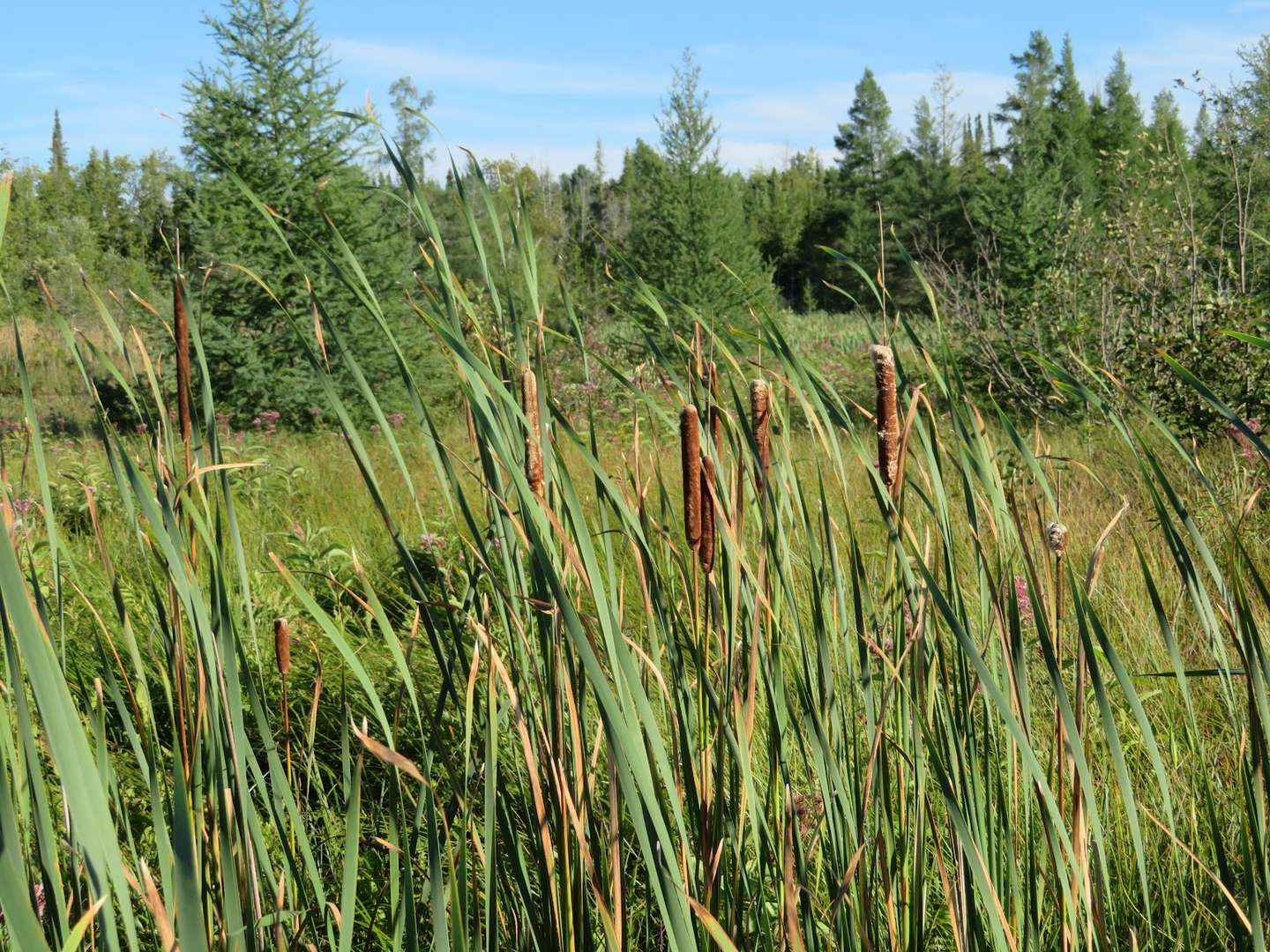
The decision in the case essentially eliminates U.S. Clean Water Act protection of wetlands that do not have a continuous surface connection to navigable waters. Parties that want to dredge and fill wetlands without such a connection, formerly regulated by Section 404 of the CWA, will no longer be required to obtain federal permits.
Federal authority explicitly extends to navigable waters and adjacent wetlands. Although the justices decided unanimously that the wetland at issue in the case was not protected, the court’s larger decision hinged on the meaning of “adjacent.” By a 5–4 margin, with Justice Samuel Alito writing the opinion, the court ruled that “adjacent” meant directly connected at the surface. Conversely, the four justices in the minority, by way of an opinion authored by Justice Brett Kavanaugh, argued that the ruling wrongly interpreted “adjacent” as “adjoining,” or immediately connected. “Adjacent,” they argued, meant in close proximity.
The seemingly small linguistic difference translates to a potentially enormous loss of wetlands across the United States. The environmental group Earthjustice estimated that up to half of the nation’s 118 million acres of wetlands will lose federal protection.
The decision substitutes the views of five justices for 50 years of legal interpretation and scientific evidence supporting the hydrological interconnection between wetlands and rivers and streams, even when the link is not visible at the land surface. A 2015 EPA science synthesis report, Connectivity of Streams and Wetlands to Downstream Waters, summarizing more than 1,200 peer-reviewed papers, validated the importance of non-floodplain and floodplain wetlands, as well as ephemeral and intermittent streams, to the integrity of rivers and lakes.
By offering its own judgment that wetlands must immediately adjoin rivers and streams, the ruling exposes many wetlands vital to the health of rivers and streams to filling.
What implications does the ruling have for the Great Lakes? For six of the eight Great Lakes states, it means a potentially significant loss of protected wetlands and, ultimately, degraded water quality and reduced natural area for flood protection. There are some exceptions.

In 2001, a U.S. Supreme Court decision removed “isolated” wetlands not associated with another body of water from protection under the Clean Water Act. In response to that loss of protection, the Wisconsin Legislature convened in a special session to unanimously pass a bill extending state protection to those wetlands, requiring landowners to obtain a permit before dredging or filling any wetlands not protected by federal law.
“Any wetlands declared non-federal, due to that [court] decision or any subsequent decision, would still be covered under Wisconsin law,” says Michael Cain, a former Wisconsin Department of Natural Resources attorney. Cain says of the 2001 legislation, “that statute is still in place. As far as this decision, the impact in Wisconsin is somewhat muted because of that statute. The state of Wisconsin will still regulate most of those wetlands.”
In Michigan, a 1980 state law incorporates a broader definition of wetlands than the Clean Water Act. Michigan law recognizes the scientific reality that many wetlands critical to the health of rivers and streams are hydrologically connected below the land surface.
The Michigan Department of Environment, Great Lakes and Energy (EGLE) says the Sackett ruling would mean little or no change in Michigan wetland protection. “Michigan is the epicenter of the world’s greatest freshwater ecosystem—the Great Lakes—so it is fitting that we have a direct role in protecting the wetlands that nurture and feed those freshwater sources,” says James Clift, an EGLE deputy director. “Neither the rules in Michigan, nor our commitment to protecting freshwater resources, has changed in the wake of this ruling.”
Over three decades ago, Michigan was the first state, and remains one of only three states, to have received federal authorization to administer the federal wetland permitting program. According to EGLE, Michigan has lost approximately one-third of the original 10.7 million acres of its pre-European-settlement wetlands, but the rate of loss has slowed dramatically since passage of Michigan’s 1980 law.
Michigan’s experience shows that, in spite of the court’s decision, state and local governments still have the power to protect their wetlands. The time is now for scientists and the public to stand up for their local and state wetlands.