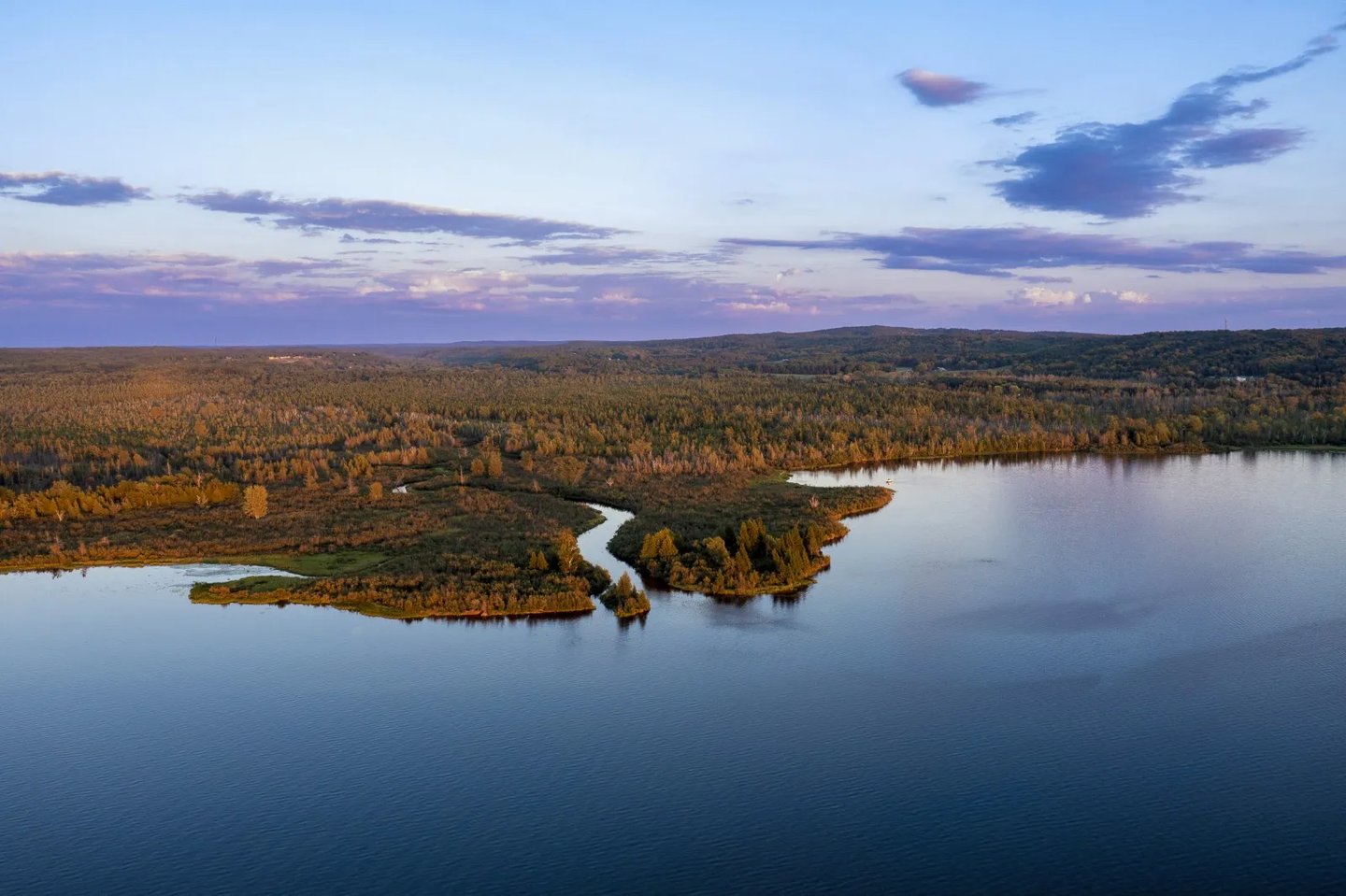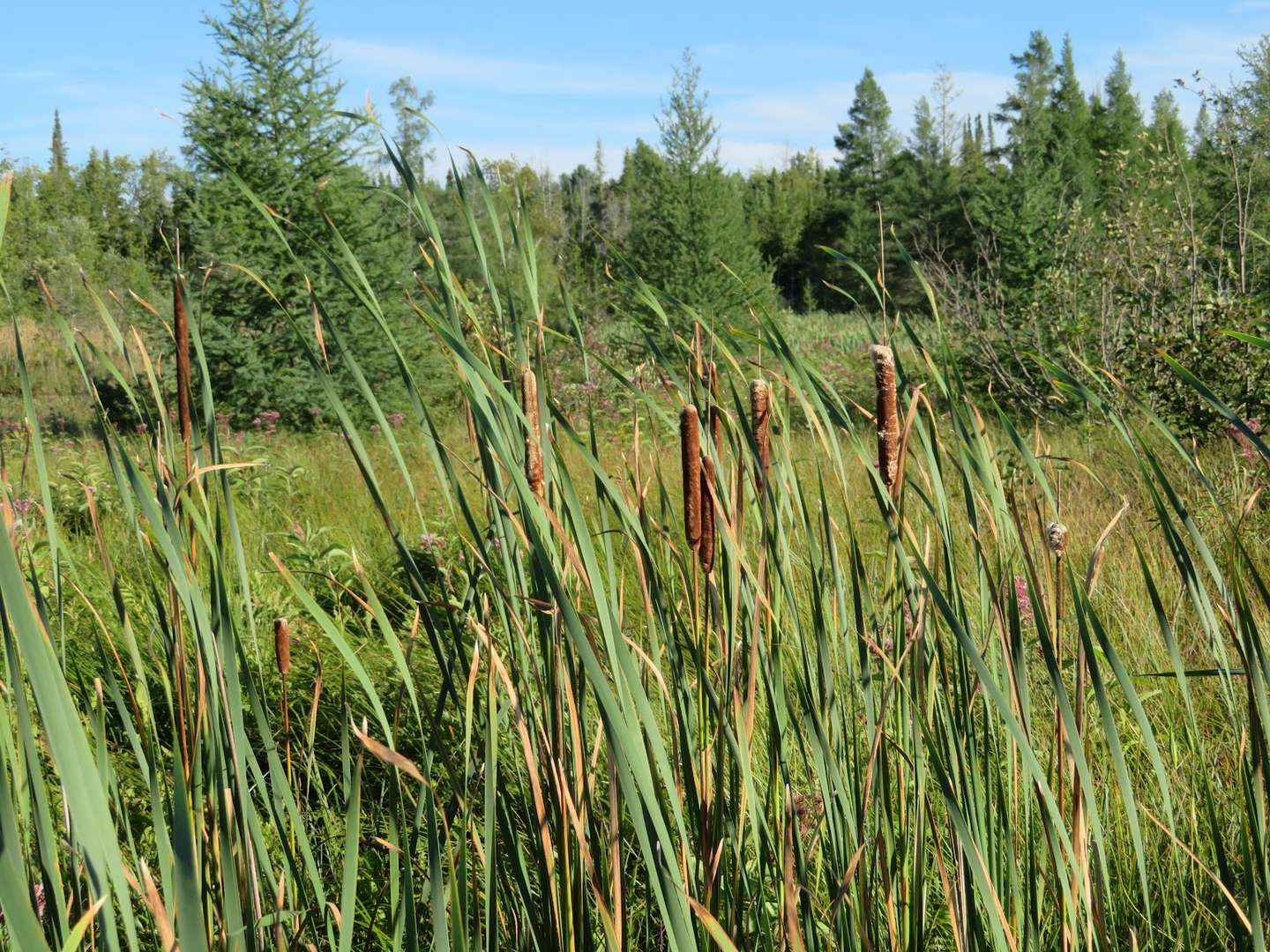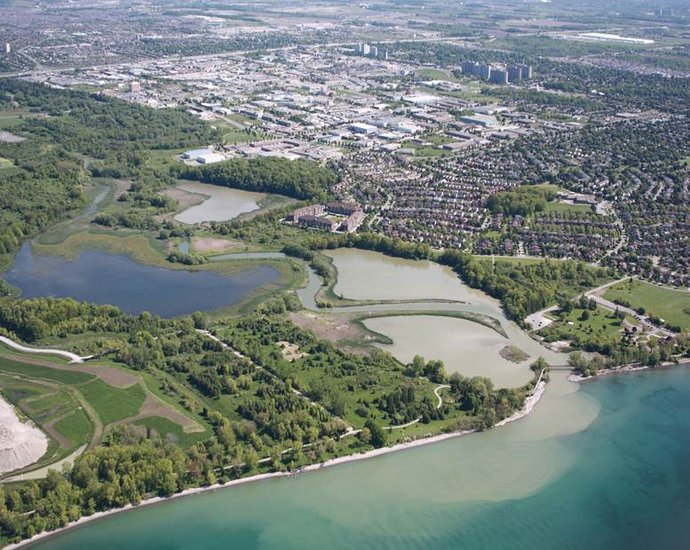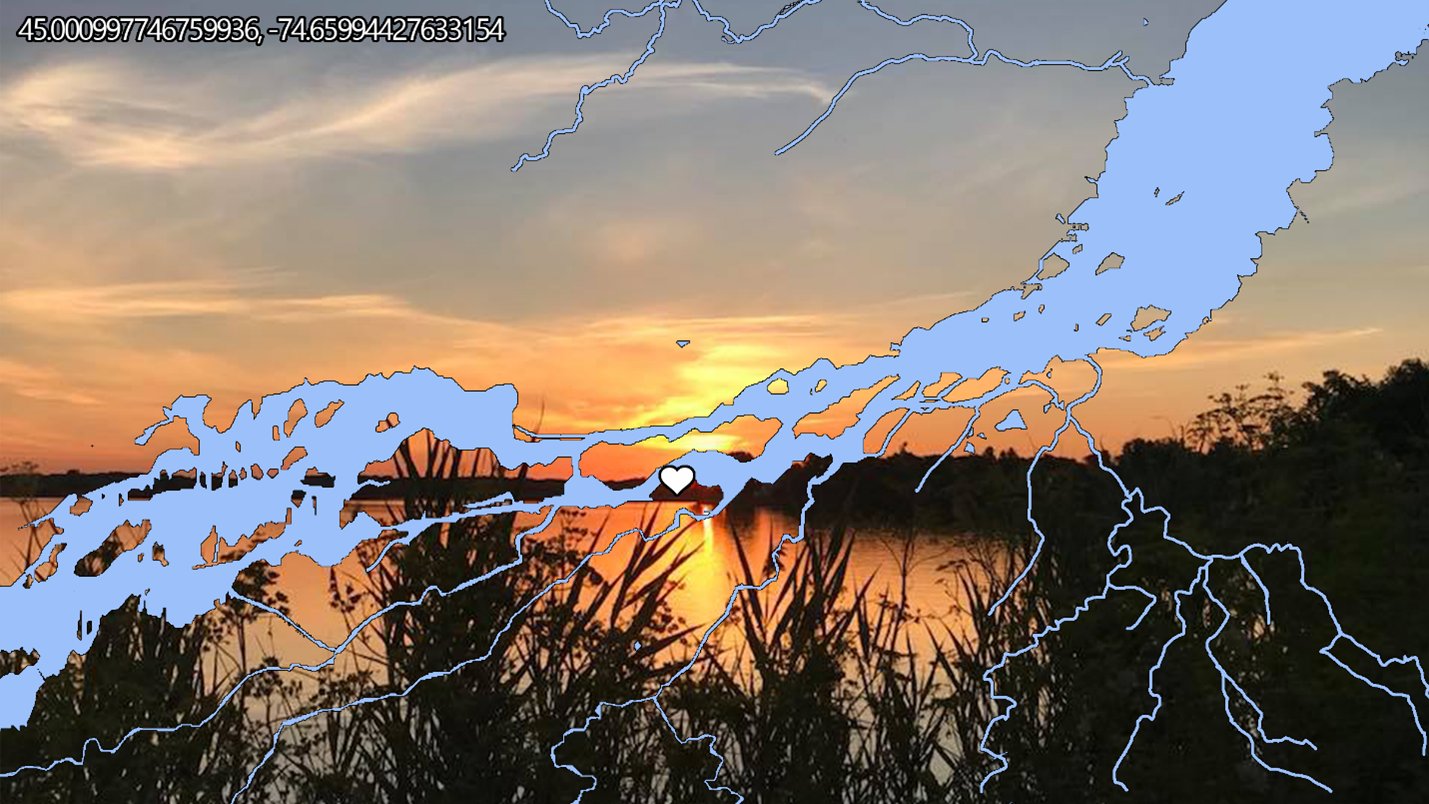
Kaniatarowanénhne (the St. Lawrence River) connects the Great Lakes and the Atlantic Ocean, influencing water and weather systems globally (Marty et al., 2010). Kaniatarowanénhne flows through the center of Akwesasne, a Kanienkehaka (part of the Haudenosaunee Confederacy) community, which is dismembered by imposed settler-state geopolitics (Québec, Ontario, and New York). Akwesasronon (Akwesasne community members) share a long-interconnected history of relationality with these waters, full of reciprocal roles and responsibilities. Akwesasronon are responsible for caretaking and protecting these waters—a difficult responsibility when their voices have been ignored—resulting in environmental violence on the people and River.
The discourse surrounding “Rights of Nature” as an Earth-centered approach for our legal systems is global and full of successes and failures. While inspired by Indigenous worldviews, the “rights” concept conflicts with Haudenosaunee ideology. The Haudenosaunee have interwoven knowledge systems and kinship networks with all of creation that inform their values, teachings, knowledge, practices, and identity. The Ohenton Karihwatehkwen (“Words Before All Else”) articulates this relationality amongst creation by acknowledging their reciprocal roles and responsibilities. Kaniatarowanénhne is responsible for quenching the thirst of creation and acts as medicine to cleanse. Additionally, the River is considered family and already has agency and, by extension, “rights.”
Throughout history, colonial powers worked to dehumanize beings—both human and more-than-human. Beings with agency become objects for commodification and dispossession in the colonial mind. The “rights” and “personhood” concepts follow in line with this dominant discourse and have been used to exclude both human and more-than-human communities from the protection afforded by being considered a “person.”
The act of granting rights to the more-than-human world is an attempt to reverse this trend and to emancipate the natural world from being considered property. However, what right do humans have to bestow rights on relatives? What right do we have to bind them in another settler-colonial framework? We have a responsibility to care for our relatives in times of need, as they have cared for us throughout time.
The first more-than-human beings to have their personhood honored and their rights protected by the current settler-colonial legal system were the ecosystems of Tamaqua, Pennsylvania. Tamaqua banned the dumping of toxic sewage sludge as a violation of the rights of “borough residents, natural communities, and ecosystems” (Ordinance No. 612, 2006, p. 6). Since then, recognition of the Rights of Nature has spread worldwide to countries like Ecuador, Aotearoa (New Zealand), Panama, Bangladesh, Uganda, Spain, and India.
The movement has also spread across Turtle Island (i.e., North America), with many local communities and Tribal Nations recognizing Nature’s inherent rights. In 2023, a lawsuit filed by the Sauk-Suiattle Indian Tribe championing the “rights of Salmon” was settled, with the city of Seattle agreeing to create fish passage around three hydroelectric dams on the Skagit River (Surma, 2023). In 2022, a New York state assemblymaker introduced the Great Lakes Bill of Rights (Wozniak, 2023). On April 24, 2023, the Assembly of First Nations Québec-Labrador unanimously adopted a resolution to confer legal personhood to Kaniatarowanénhne (Méndez, 2023).
In 2021, members of Talking Rivers started a conversation amongst Indigenous and settler communities in northern New York to build a declaration acknowledging the rights of the Kaniatarowanénhne Watershed, focused on the confluence of rivers from the Adirondacks to Akwesasne. The conversation led to the drafting of the Great Rivers Bill of Rights and Responsibilities, which acknowledges the inherent rights of the River, but also includes the responsibilities of the human members of the watersheds. The document carries some central ideas:
- the waters have the right to community, emphasizing the cultural connectivity between human and more-than-human relations;
- the waters have the right to be seen and heard, which focuses on monitoring for changes; and
- the waters have the right to be cared for, which comes in the form of protective mechanisms (i.e., legislation) and restoration efforts.
We are part of these waters, as they are part of us. We are striving to dream a hopeful future into being that recognizes and protects the agency of all of creation around these waters.
Tiawerón:ko
This is a story of failed responsibility and uncertain consequences when the “rights” of our relatives are ignored.
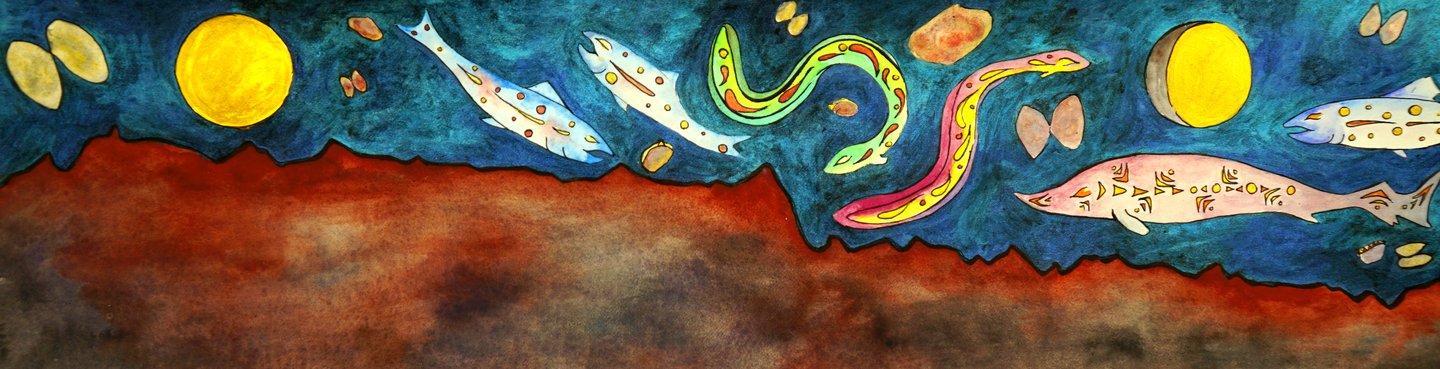
We connect the River’s story to the Tiawerón:ko (American eel), another essential relative to the Haudenosaunee and Kaniatarowanénhne. They have the role of connectors, traveling from their birthplace, the Sargasso Sea, up into the heart of Turtle Island. They voyage up the length of Kaniatarowanénhne, searching for their ancestral homes (Prosek, 2010). They spend most of their lives along the shores and tributaries of Lake Ontario before following the moon back to the salty waters of their birth to cycle again (Cresci et al., 2019). The beautiful lifecycle of Tiawerón:ko shows local and global connectivity. Their Haudenosaunee biocultural expression comes in harvesting and preparation for food or medicine and is part of the Haudenosaunee clan system, which speaks to familial roles and responsibilities amongst the people (College, 1993). Tiawerón:ko dramatic decline was documented at the Moses-Saunders Dam fish ladder, from millions in 1980 to virtually zero in 2000. The loss of this relative has implications for the ecosystem and the various Indigenous Communities’ cultural integrity and continuity along their pathway that see them as kin.