I’m not a limnologist by training. I approach lakes the way I approach any living system: as an evolutionary geneticist attuned to how communities shift under pressure. From this vantage point, the DNA suspended in water and embedded in sediments is more than just another dataset. It is a natural monitoring system that detects rapid, subtle changes early because it is produced by microbes, the first responders of the food web. That’s why I have become convinced that environmental metagenomics—sequencing DNA directly from lake water and sediments with next-generation sequencing—belongs in the standard toolkit for inland water monitoring.
When I came to Michigan to help establish a genomics program at Oakland University, long-read Oxford Nanopore Technologies sequencing (ONT) was still a very new technology. Like many labs, we were excited by its promise, especially the possibility of field-based sequencing and real-time results. I wanted to adopt the platform, but I knew it wouldn’t truly be useful until we could run it, troubleshoot any issues, and interpret the data at least once.
I was new to the Great Lakes region and had few local contacts, but I had a friend and collaborator, Viktor Tóth, at the Balaton Limnological Research Institute in Hungary. Viktor and I had wanted to work together ever since we were undergraduate students in Ukraine, almost 30 years ago.
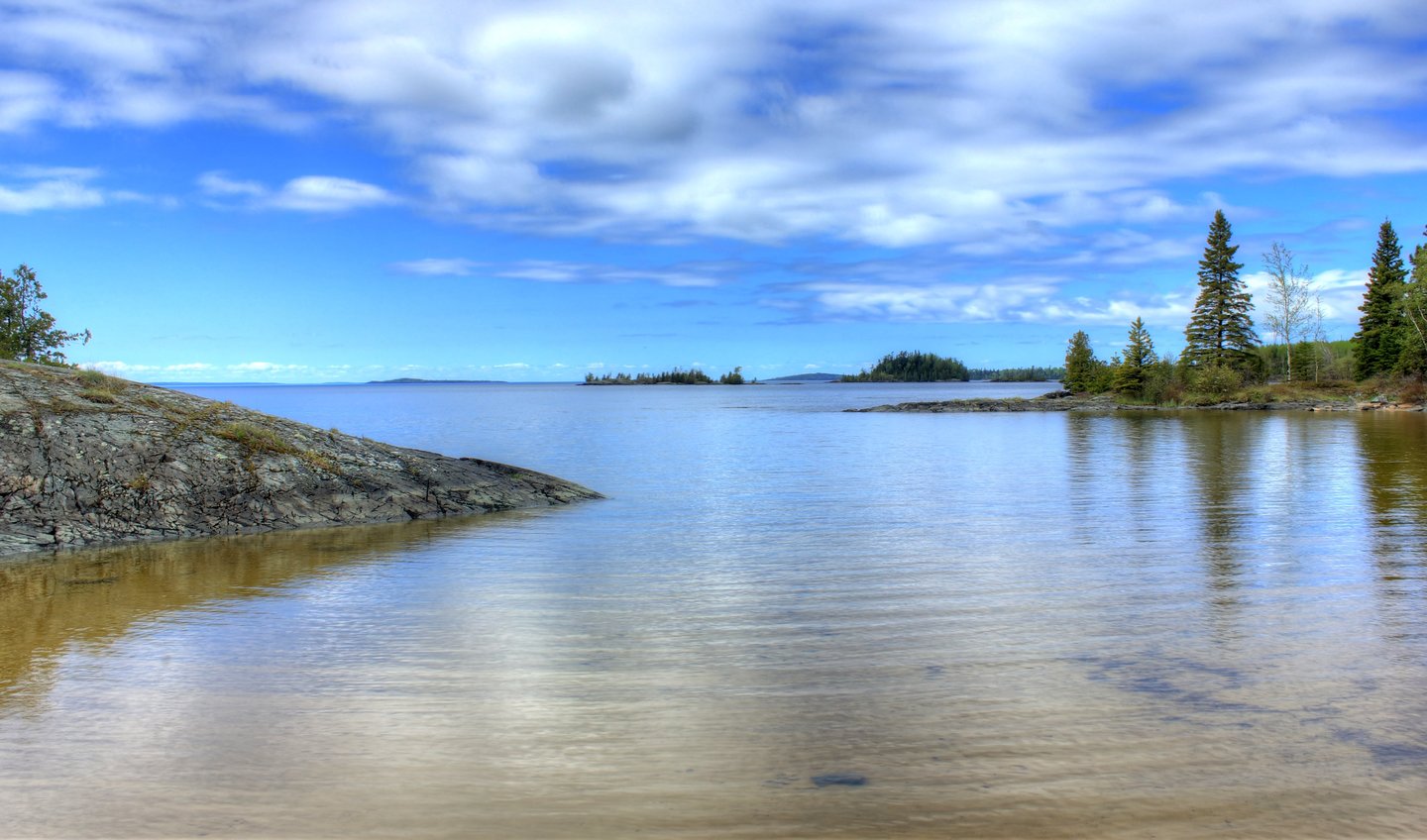
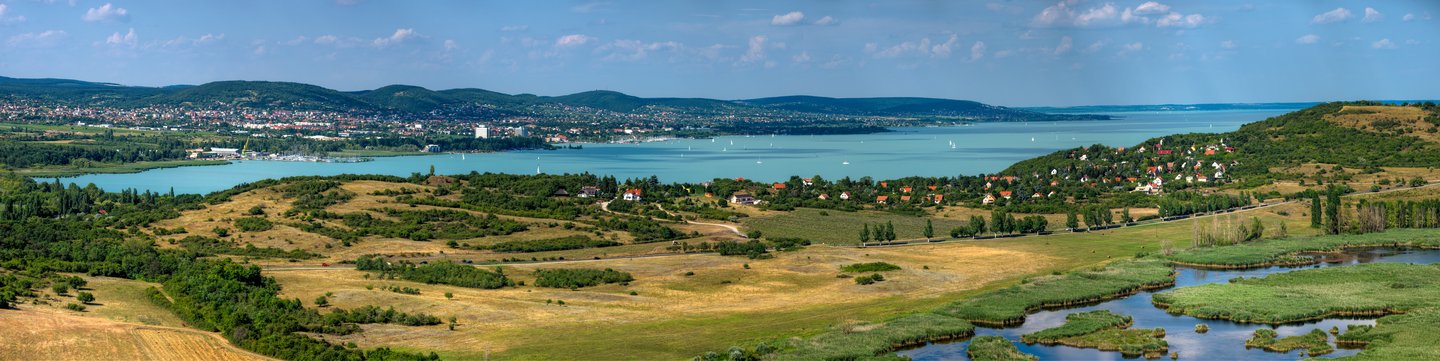
Viktor was looking for new ways to monitor the biota of Lake Balaton and the Kis-Balaton Water Protection System, a semi-artificial wetland complex designed to intercept nutrients and organic matter before they reach the lake. To me, that wetland–lake continuum was not only an ecological system; it was a natural experiment. Water flow connects the habitats, yet the system’s distinct boundaries should leave identifiable bacterial signatures. I suggested that sequencing could be a powerful tool for this purpose, and together we devised a project. We would create a lab exercise to learn the technology, allowing us to rigorously evaluate its claimed portability for field applications.
ONT sequencing had already demonstrated its field credibility in extreme settings, with researchers generating data in Antarctica and even in space. If it works there, why not in the waters of Central Europe’s best-known shallow lake? Our effort would differ from previous work on Balaton because nanopore’s long reads enable sequencing full-length 16S rRNA genes, improving taxonomic resolution compared with traditional culturing methods and short-read platforms. This higher resolution would be crucial for us to identify bacteria down to the species level and establish a stable, reproducible monitoring signal that can be compared across seasons and years. Our proposal to secure funding from the Hungarian Academy of Science was successful, and before long, my whole lab was on a plane to Hungary.
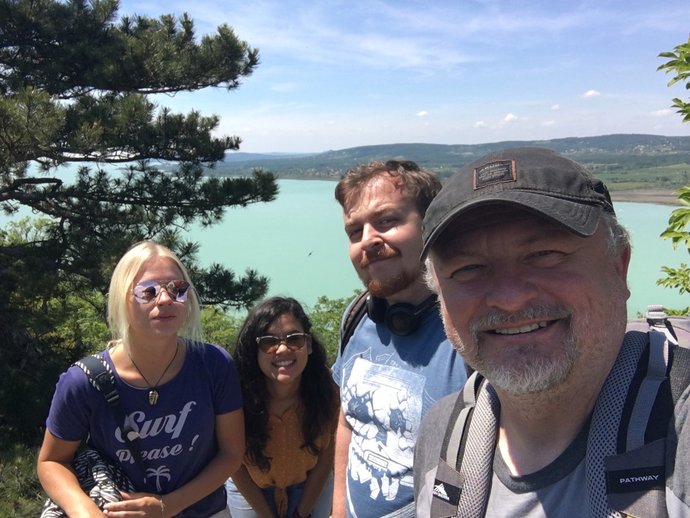
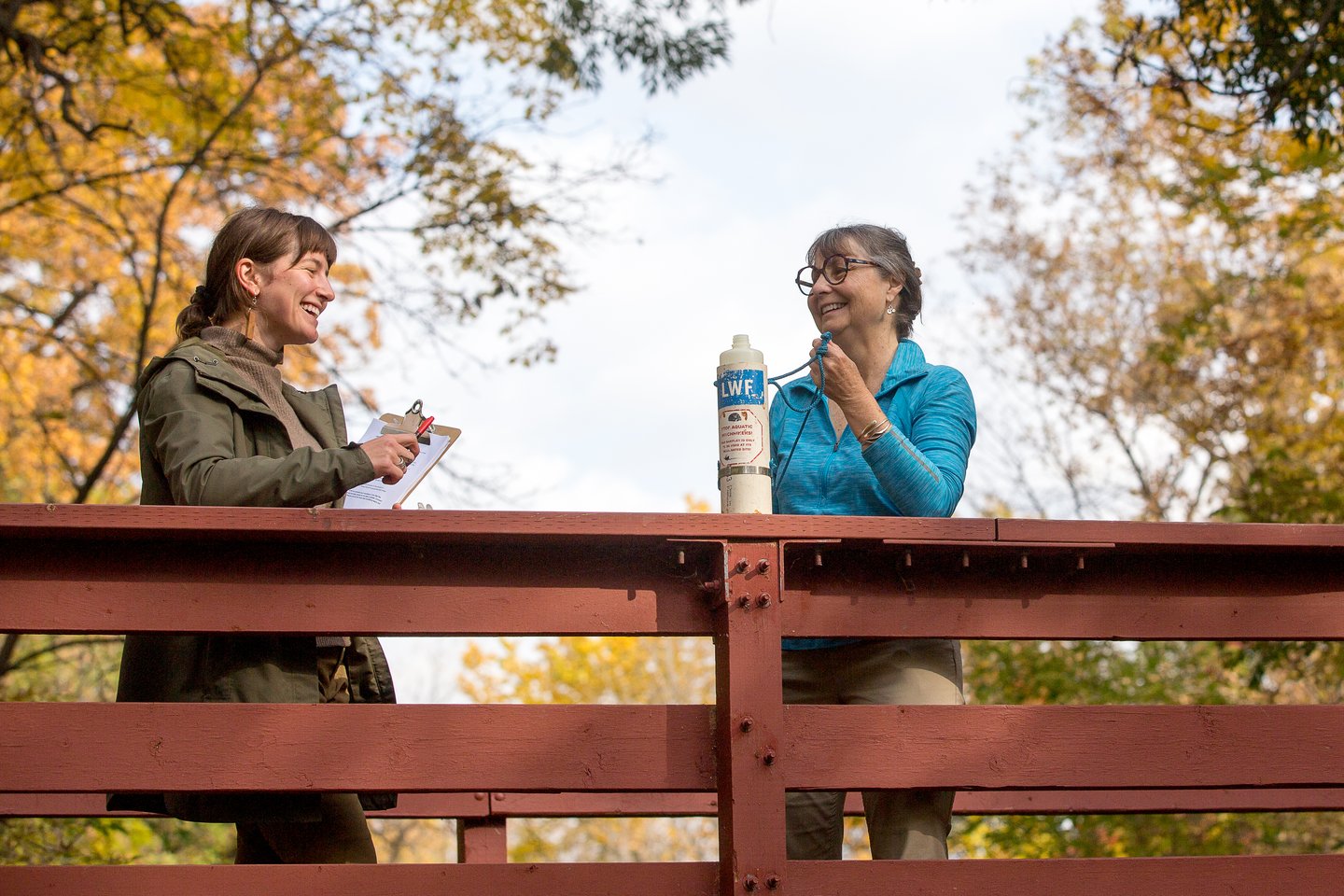
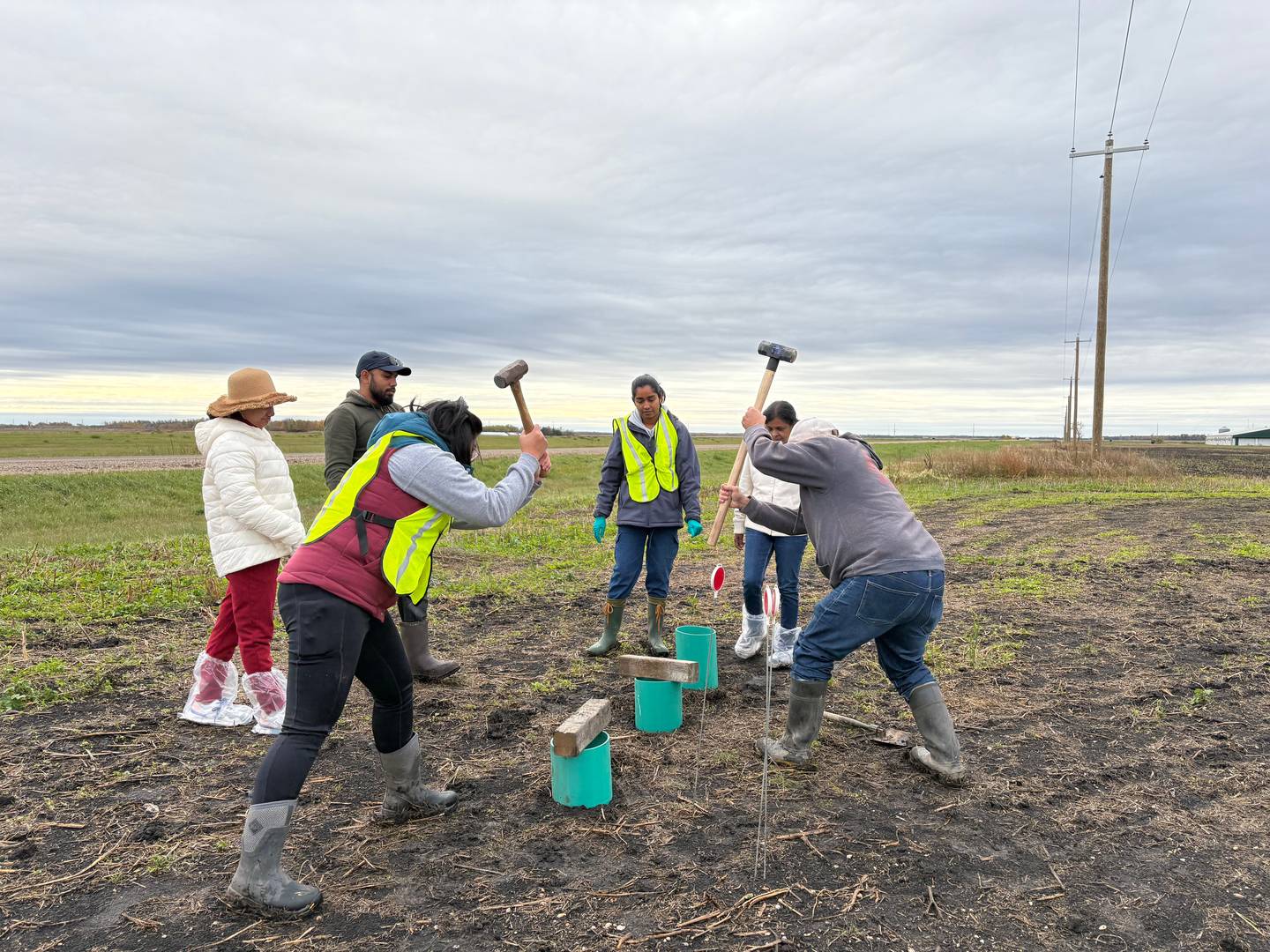
Fieldwork at Balaton has a way of quickly turning theory into reality. One can see the monitoring challenge in plain view: a river input, wetland compartments, littoral zones, and open water all interconnected yet far from uniform. Different habitats exhibit varying residence times, particulate loads, and organic matter quality. A sampling approach that collects a few convenient samples without accounting for this heterogeneity would yield confusing, misleading results. To address this challenge, we developed a comprehensive sampling map that can be replicated year after year to evaluate microbial biodiversity.
In our initial study on Lake Balaton, we used nanopore full-length 16S sequencing to profile bacterioplankton diversity at high resolution across 56 locations spanning the entire lake’s basins and key shoreline/water partitions (littoral, pelagic, sediment; see figure below). This approach allowed us to establish both a lakewide baseline (a broadly shared “core” community signal that recurs across space) and spatial diversity (repeatable differences linked to inflow influence, basin structure, and littoral versus pelagic conditions). As a result of our extensive approach, we have become convinced that a practical monitoring program needs both.
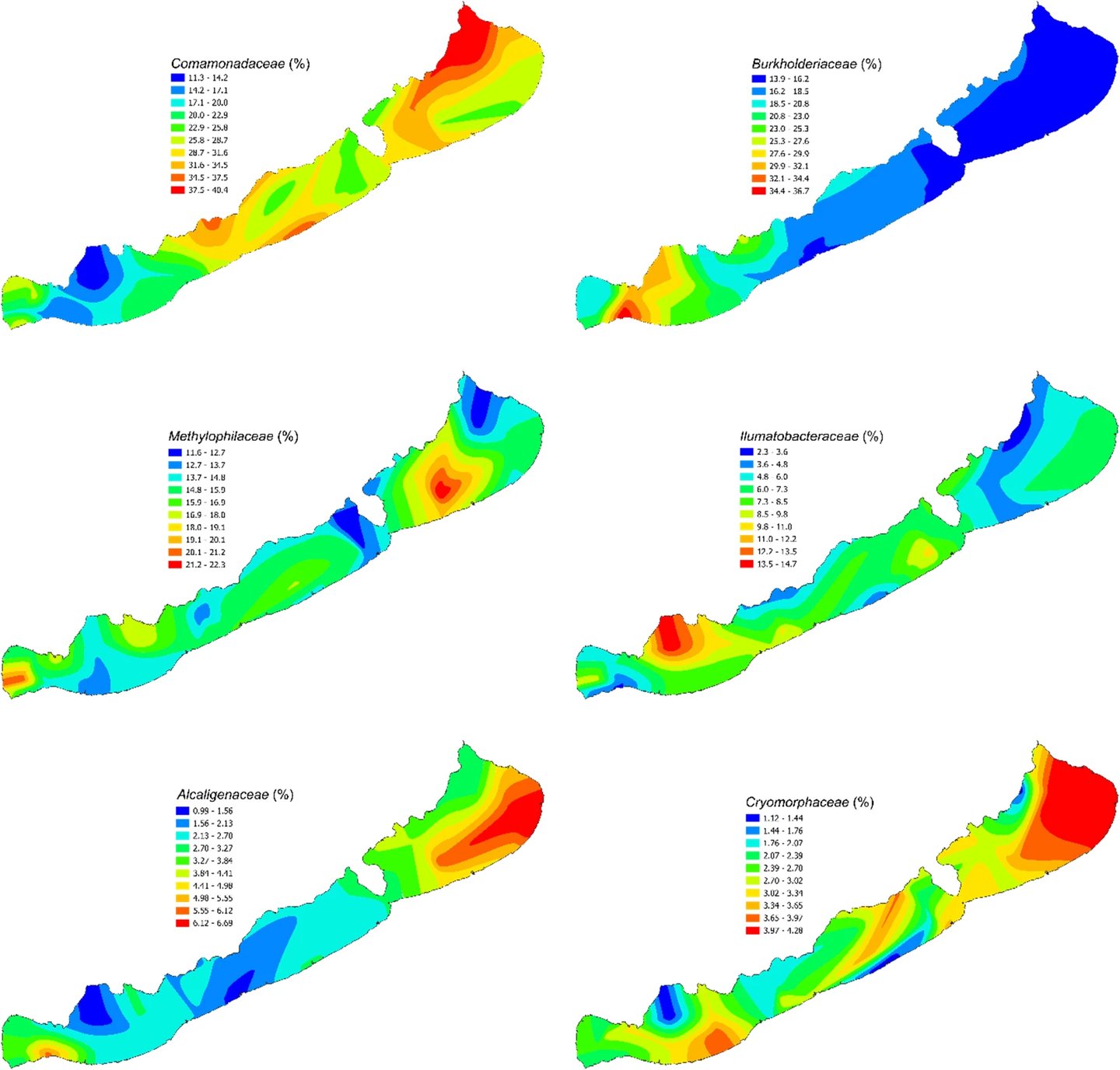
Our second manuscript (currently under review) focuses on the Kis-Balaton wetland system. We applied the same long-read logic along an explicit flow path: from the Zala River, through wetland compartments, and into receiving waters of the main lake. Wetlands are often treated as a single category in monitoring plans, but for Kis-Balaton, that can be a mistake because of the sharp microbial transitions within this connected system. From a management standpoint, those transitions can be interpreted as evidence of habitat filtering, organic matter processing, and hydrologic control, all of which can be affected by restoration actions, climate variability, or operational changes.
The lessons from our work are broadly applicable to large lakes worldwide, including the Laurentian Great Lakes. Balaton’s hydrologic structure, shallow dynamics, and wetland–lake coupling provide a useful model for studying tributary influences, wetland retention, ecological gradients, and rapid ecosystem transitions. Key take-aways include the following:
Hydrology-first sampling design: Build the sampling frame around waterflow pathways rather than treating them as an afterthought.
Real-time sequencing benefits: Nanopore’s portability lets us generate data during the sampling campaign, enabling adaptive resampling when unexpected results emerge.
Robust quality control: Continuous verification with blanks, positive controls, and predefined acceptance thresholds is essential, especially in turbid, particle-rich waters that affect what you capture during filtration and what is later amplified in downstream steps.
By reading a lake’s bacterial community composition in a reproducible, interpretable way, we gain more than a new method; we obtain a new kind of early warning system grounded in mechanism and suitable for long-term comparison. Our experience confirmed ONT’s usability for monitoring, enriched our field expertise, and positioned us to collaborate on environmental monitoring in other systems.
The success of this project rests not only on a cutting-edge platform, but also on its foundation as a training exercise and a long-term partnership. The most transferable lesson is that monitoring-grade science depends on collaborations that are durable enough to outlast a single field season. Recently, Viktor came to Michigan as a Fulbright scholar, and our teams continue to collaborate on writing, analysis, and publication. And we plan our future work. Science has largely moved past the question of whether metagenomics can describe lake communities. We now look to compare them year to year, derive interpretations that matter to managers, and guide decisions while there’s still time to act.