We invite you to check out the special section of the Journal of Great Lakes Research on Communities and Organizations. This section is important because it draws attention to one of the dimensions of ecosystem-based management (EBM) that we often take for granted: collaboration among government agencies and local community stakeholders. Although EBM requires collaboration, it is often assumed that it will just happen, and little attention is paid to the process of engaging partners, identifying community values, or understanding decision processes
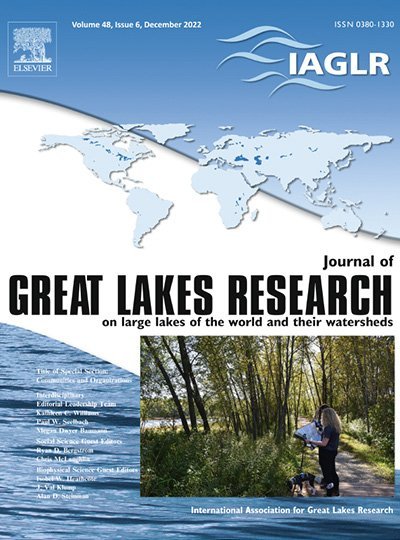
The Communities and Organizations special section helps to demonstrate the spectrum of actors (agencies, organizations, and individuals) doing the remediation and restoration work, as well as how essential grassroots organizations are to these processes. The section also presents systematic investigations conducted to understand how these processes unfold in places; lessons that can be applied in other places.
In recent years, Great Lakes applied researchers have been increasingly called to integrate the social and natural sciences in support of environmental management. This is easier said than done, because often social and natural science researchers construct problems differently, use different methodologies and literatures, and may be challenged to bridge those gaps in understanding. To address this challenge in the special section, we used interdisciplinary editorial teams consisting of a biophysical and social scientist who collaboratively made the editorial decisions. This was important because we wanted to ensure that social science research spoke to the interests and information needs of biophysical scientists, while at the same time adhering to social science or humanities or storytelling methodologies. We hope the product is a collection of articles that demonstrates the impact of interdisciplinary collaboration. Our intent was not to simply publish social science research conducted in the Great Lakes region, but rather to illustrate the many ways that emerging interdisciplinary and social science research is complimenting the biophysical sciences in support of substantial restoration and revitalization work within the region.