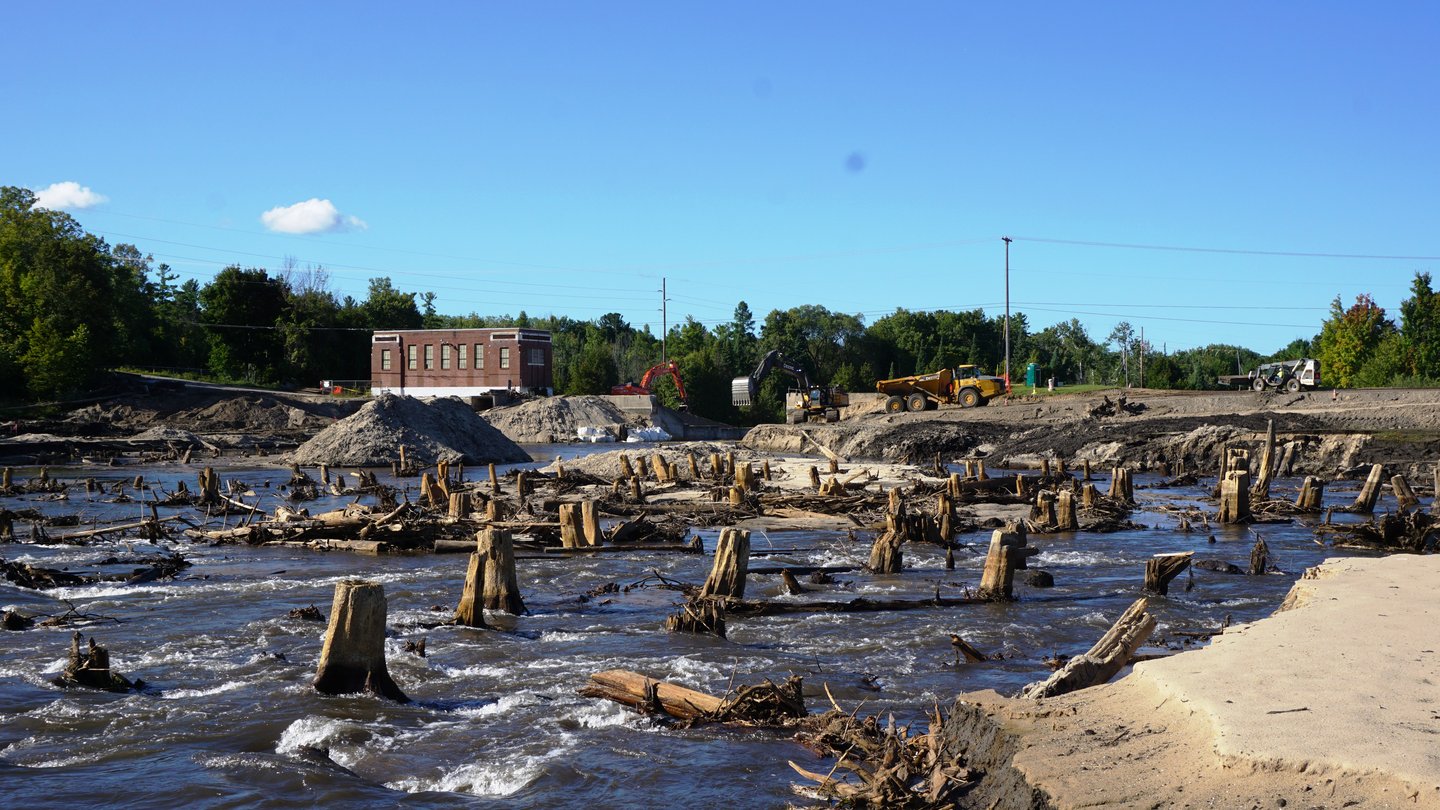
In April 2009, a watershed decision made by a northern Michigan community resulted in the most important river restoration project to occur in Michigan to date. Over an eight-year period, three large dams were removed from an 18-mile-long segment of mainstem river, restoring connectivity for aquatic organisms, sediment, and nutrients as well as the partners collaborating on the project.
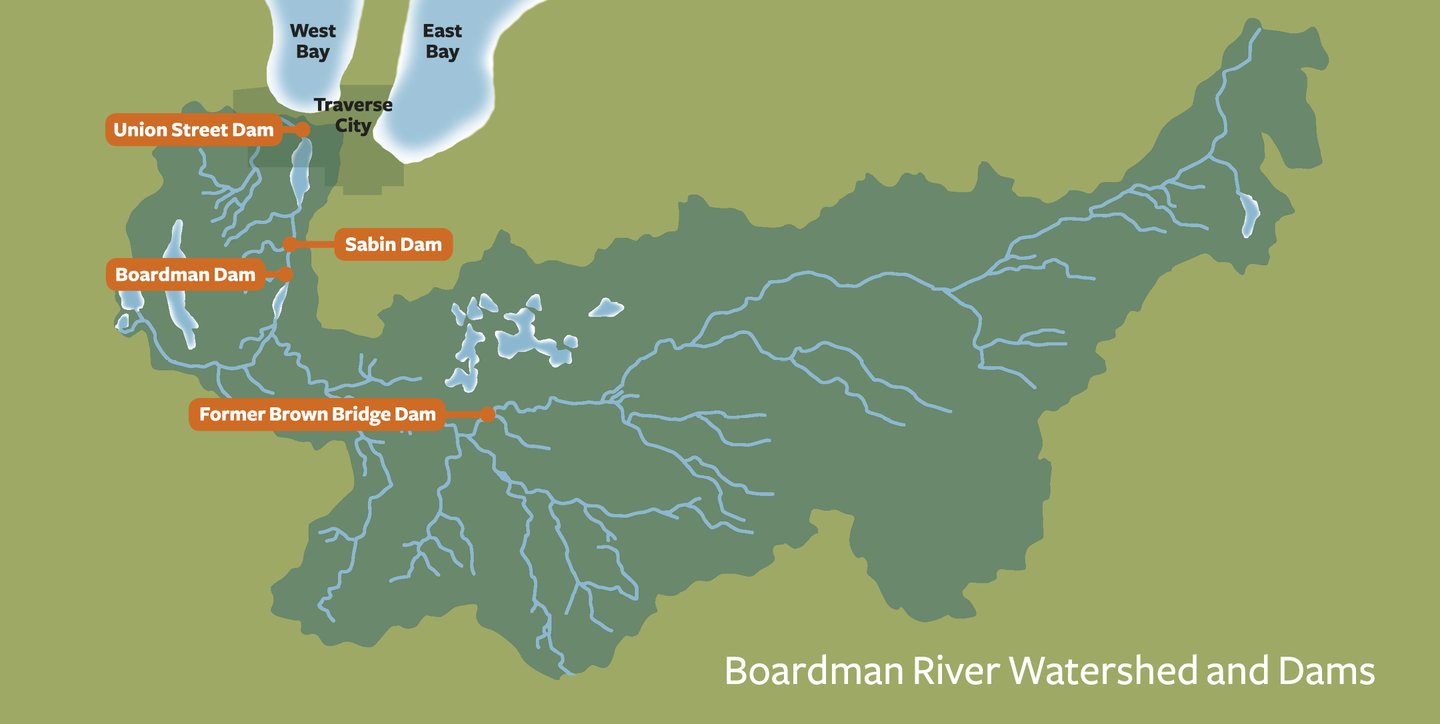
To take a step back, the river known to most as the “Boardman” was, in the late 1800s and early 1900s, a handy source of energy for Traverse City, a regional hub for timber and agricultural production. Once the timber had run out and the river was no longer assaulted by rafts of saw logs, its energy was harnessed to generate hydropower. Over the course of 60 years, five dams were constructed on the river mainstem beginning with Union Street Dam (which powered a flour mill) in 1865 and the most recent, Brown Bridge Dam, placed online in 1922. Keystone, one of the four dams that produced hydroelectricity, failed completely in 1961 and was never rebuilt, but two dams just downstream, Boardman and Sabin, remained.
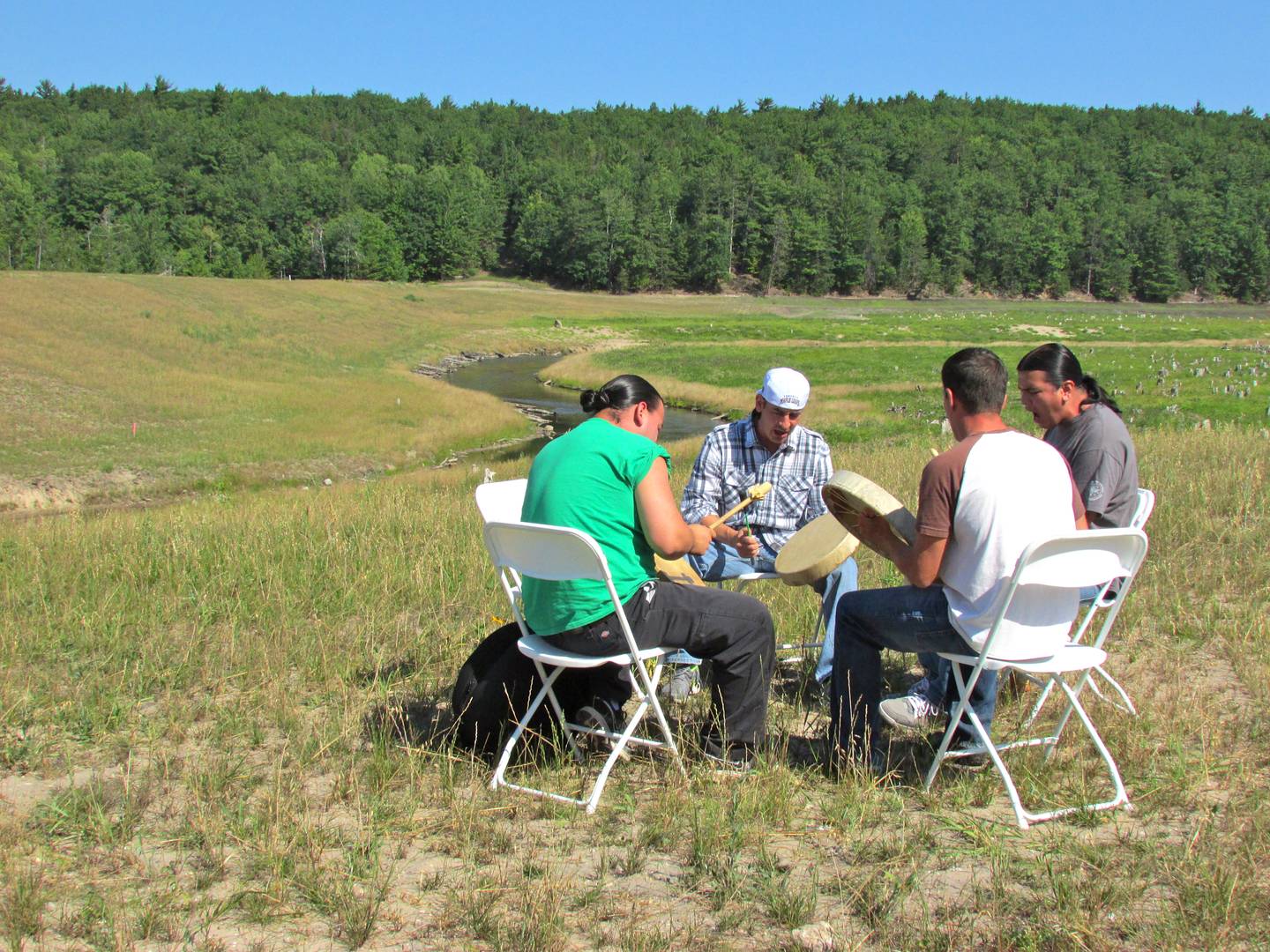
Stepping further back, the river was known as the “Odawa Ziibi” or “Ottaway River” by the Ottawa and Chippewa peoples of the region, the political successors of whom became an essential element in the success of the dam removal project. Despite the callous treatment of Indigenous peoples over the years at the hands of the U.S. government, the Ottawa and Chippewa became partners and leaders in returning a river damaged by Euro-American industry closer to the cold, free-flowing conduit of life the river served as long before log drives and dam construction.
Over time, hydroelectricity production by the Ottaway River dams diminished to a fraction of the need posed by a growing community while continuing to disrupt flow to Grand Traverse Bay. As the dams aged and deteriorated, the City of Traverse City and Grand Traverse County were compelled to perform a cost-benefit analysis on continued operation. They discovered that the cost to implement required upgrades exceeded the projected future income, so the decision was made to decommission the three hydroelectric dams and undertake a full evaluation of their fate.
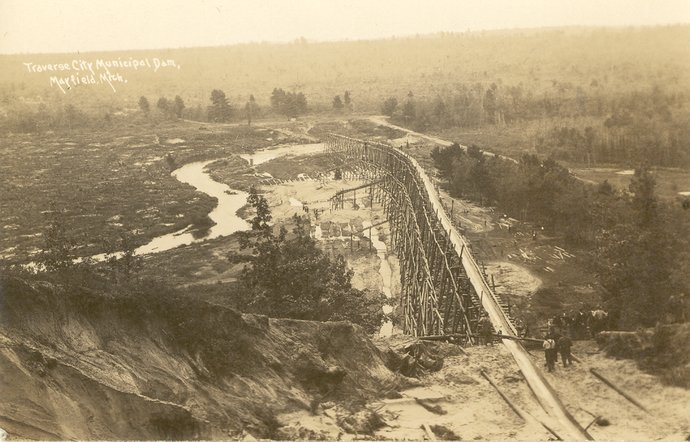
In 2005, an Implementation Team (IT) was assembled under the Boardman River Settlement Agreement, which comprised the Michigan Hydro Relicensing Coalition, Grand Traverse Band of Ottawa and Chippewa Indians, U.S. Fish and Wildlife Service, Michigan Department of Natural Resources, Michigan Department of Environmental Quality, Traverse City Light and Power, City of Traverse City, and Grand Traverse County. In tandem, the Boardman River Dams Committee (BRDC) was formed and subsequently mediated under a neutral third party. The community-based BRDC was tasked with a dam disposition assessment (2005-2008), the key elements of which were to evaluate current conditions, perform an options and alternatives analysis, and in the end, provide a recommendation to the IT as to the dams’ disposition. This exhaustive process included 180 public meetings attended by approximately 2,500 people, with 2,000 questions asked and answered, in addition to 18,000 surveys distributed throughout the region. At its conclusion, the BRDC process resulted in over 80 options for disposition with the preferred option being removal of the three hydroelectric dams and modification of the lowest-most dam at Union Street to allow for native fish passage. In January 2009, the BRDC submitted its recommendation to the IT, which then presented the findings to the owners. After reviewing the recommendation, the City of Traverse City and Grand Traverse County in April 2009 opted to pursue dam removal and modifications for fish passage.
The IT was established to conduct the disposition of the dams, and with the owner’s decision, the project began in earnest. Not long after, ex-officio members were added to the IT and included the Conservation Resource Alliance (eventual project manager), Garfield Township, the Grand Traverse Conservation District, the Watershed Center-Grand Traverse Bay, and the Grand Traverse County Road Commission. With a vast array of resources and expertise available, the IT was well-positioned and worked collaboratively through respectful consensus to carry the project through to completion in 2018. The understanding and relationships built among the team members continue to this day with new project partnerships.
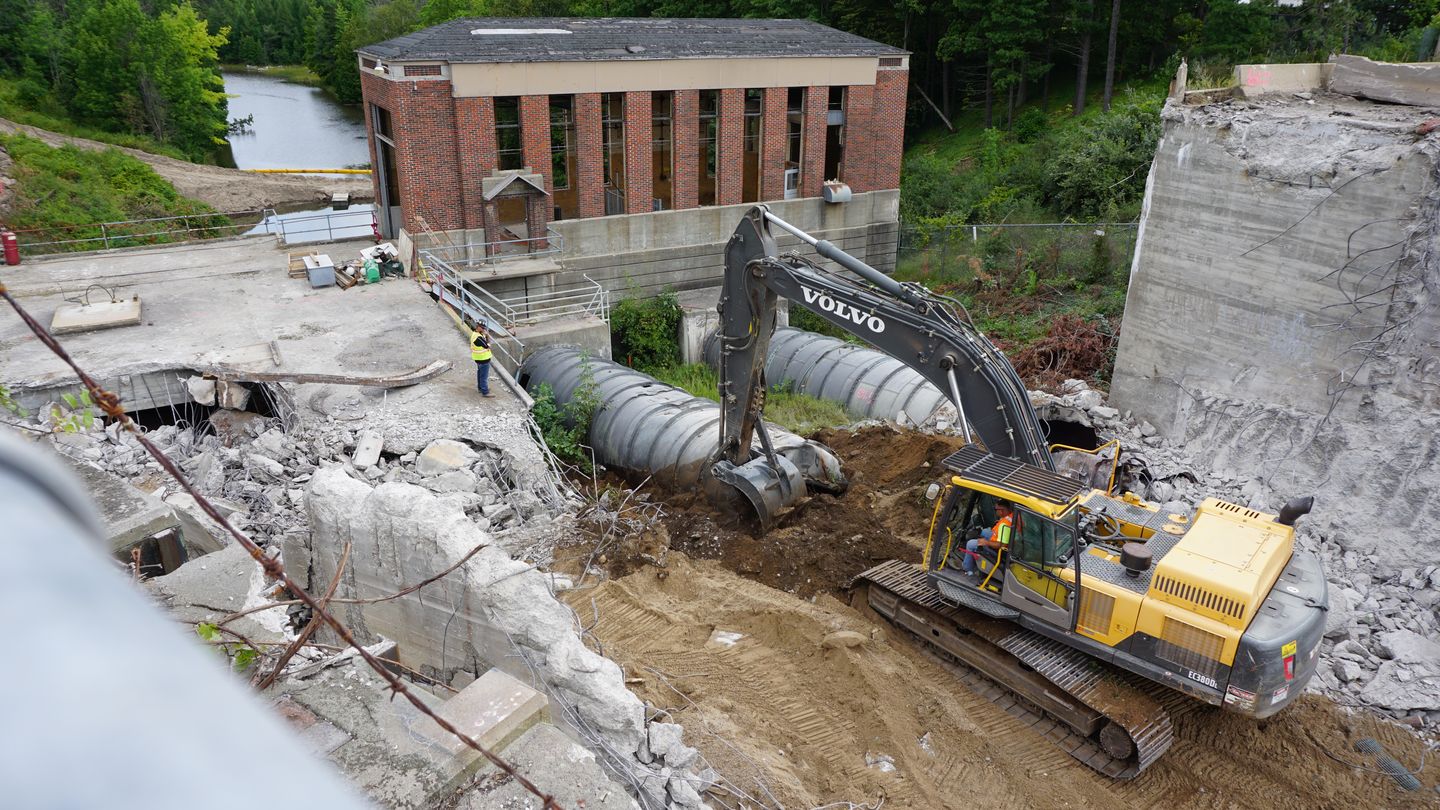
The process was long and arduous, but the cultural perspectives of a community of people that has been in the region for thousands of years kept time in perspective. The Grand Traverse Band of Ottawa and Chippewa Indians provided leadership of the IT, increased awareness of the cultural significance of the river, technical support, and a significant portion of the project funding. In this way, one of the deepest lessons of irony reveals itself in time—that those who’ve lost the most to history have in turn given tremendously; for the river and generations to come.