Today’s grand challenges associated with society at large, and large lakes in particular, are easily described as “wicked” problems—those, as Steve Schmida states, that have “no recipe or set of protocols you can use to solve.” Climate change and biodiversity loss are two examples that meet the classic definition of a wicked problem.
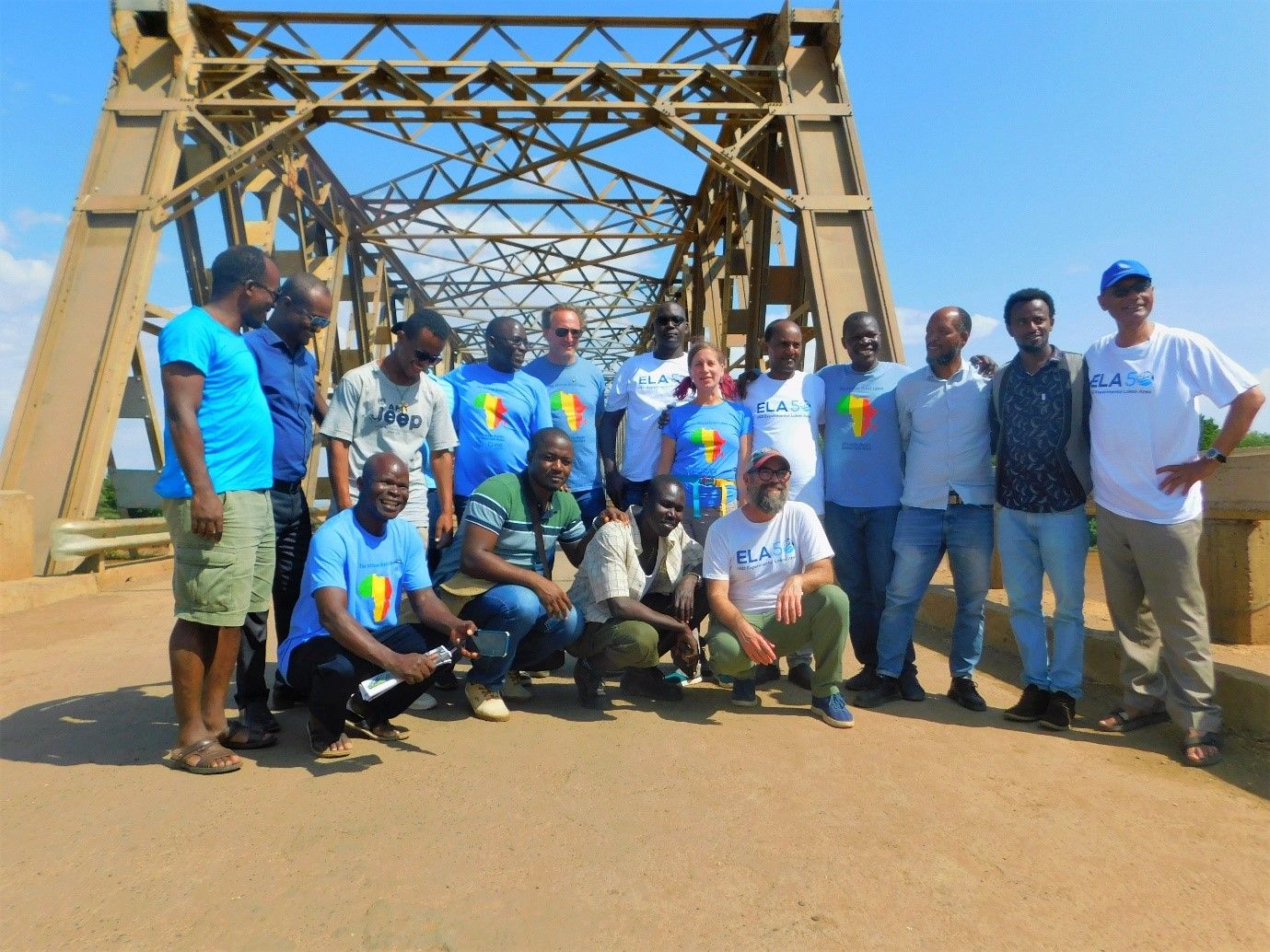
But I would argue that only large teams are capable of tackling wicked problems in a holistic, comprehensive manner. Furthermore, to operate effectively and have the desired impact, such teams must be highly collaborative, multidisciplinary, and diverse (Cf. Cheruvelil et al. 2014). The need for large teams for large lake research is generally well-recognized, so here I preach to the choir to a certain extent. Leading and managing large teams does, however, require some special considerations.
But first, what are the benefits of large teams that make them worth the management headache? In simple terms, more bodies and brains can tackle larger problems, train and mentor more individuals, and ultimately, achieve a greater impact through disseminating findings across members' research networks and their associated communities of practice. More brains provide the potential for broader perspectives and points of view leading to increased potential for spin-off discoveries and for making better predictions. Throughout my career, I have been involved in a number of large team projects as a researcher or advisor. The most relevant to the Great Lakes was the Great Lakes Environmental Indicators project (GLEI), which involved nine institutions and approximately 75 individual scientists and trainees and ultimately published more than 100 papers and reports. Elements of this project became embedded in a Great Lakes-wide monitoring program and have been used to settle some long-standing management issues. The spin-off projects and relationships continue to this day, more than two decades later.
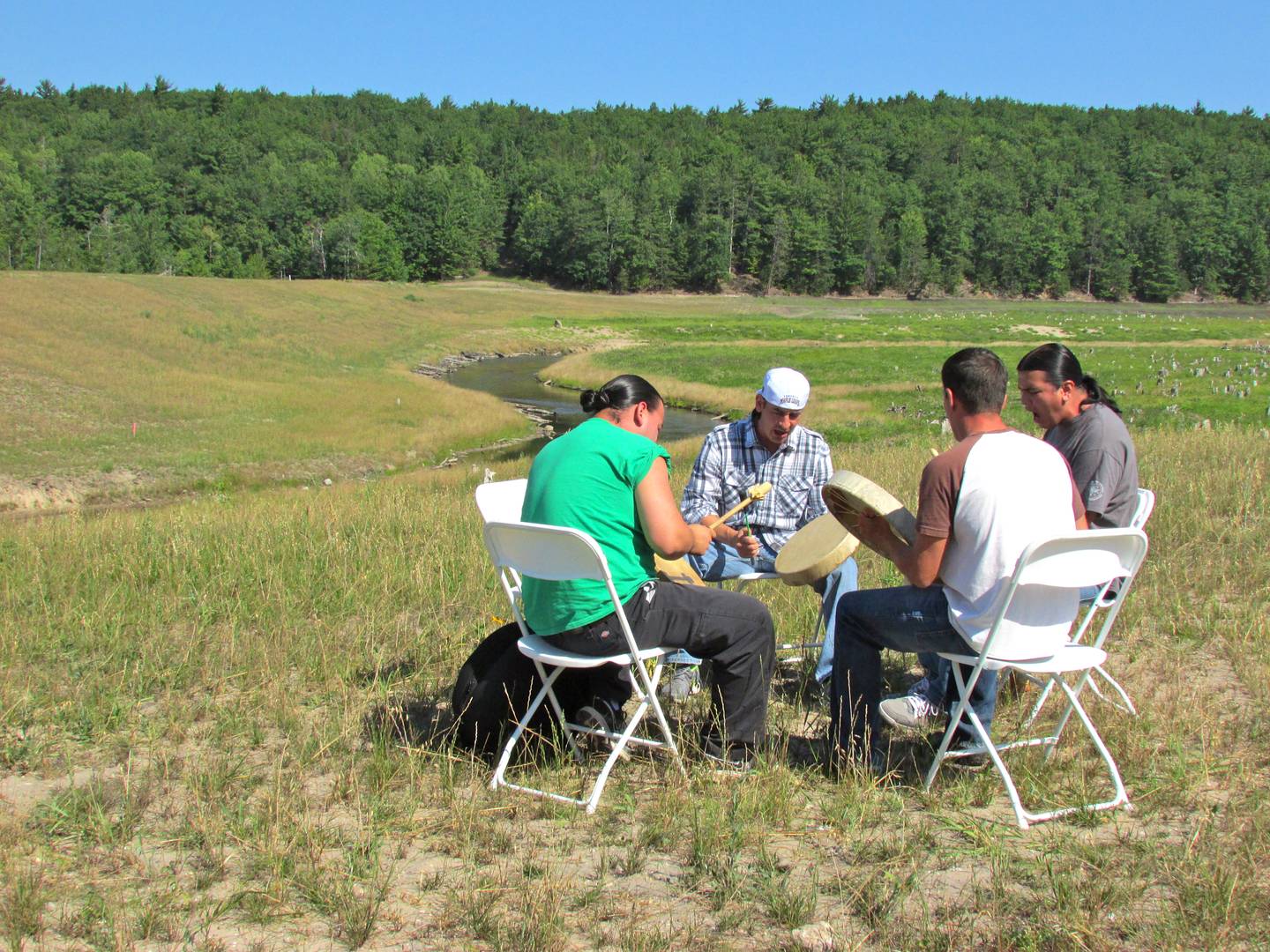
Everyone now recognizes the benefits of diverse teams, with diversity encompassing traditional factors such as age, gender, culture, and race. But large teams have an enhanced capacity to integrate multidisciplinary and multiscale perspectives and to adopt a broader range of tools and approaches. The wicked problems of climate change and biodiversity loss in large lake ecosystems require an integrated approach that incorporates the traditional breadth of limnological investigations: physical, chemical, and biological sciences. But many of the processes underpinning these challenges are derived from the interaction with human social systems and thus require the additional perspective and contributions of social and behavioral scientists, policy specialists, and economists. Furthermore, large teams would benefit from expertise that includes a range of approaches and techniques including experimental studies at scales from benchtop to mesocosm to multi-site / regional landscape scale; modeling studies; and document analysis, interviews, and focus groups for the social scientists. Examples of multi-scale issues that are successfully addressed using these diverse approaches include harmful algal blooms—a contemporary example where drivers of bloom creation and toxicity are being addressed in laboratories, while environmental drivers of blooms and their impacts are being studied at a range of scales using remote sensing technologies such as satellite and drones. The challenges associated with merging and interpreting the data acquired from a variety of scales and approaches are best addressed by ensuring active engagement of the consortium of experts during the synthesis steps of the program. This challenge is significantly more complex when incorporating social science / qualitative data and information in the project; thus, the need for a large team encompassing many disciplines and brains.
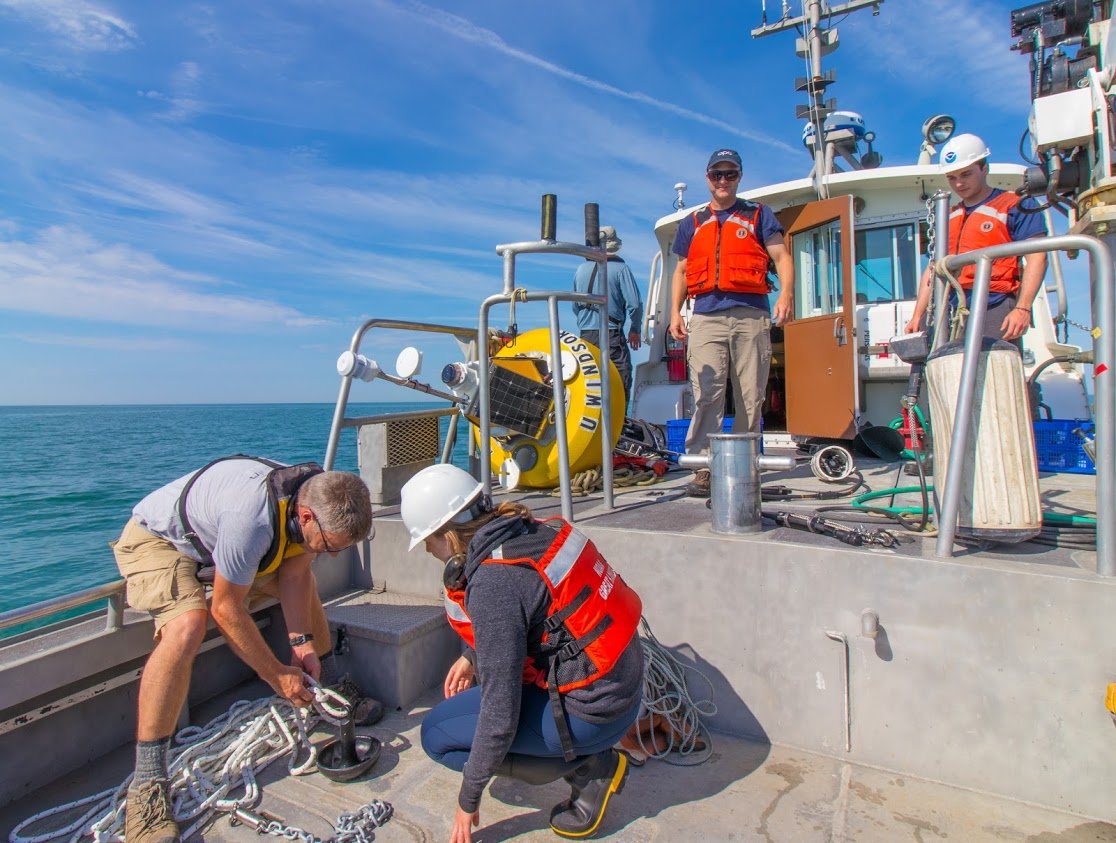
But I would be remiss in not acknowledging the difficulties in creating and managing such teams, funding being the most-mentioned factor by colleagues. Large lake studies are inherently expensive at any scale, and large, diverse teams require the appropriate research infrastructure, generally crossing multiple institutions and research organizations, and leadership personnel. (However, it should be noted that there are possible economies of scale to be gained by coordinating sampling across programs.) Thus equipment and personnel can be shared, but this requires that schedules are harmonized, and a significant investment is made in project coordination to maintain consistency in methods, data collection and handling, and infrastructure / equipment maintenance.
Successful teams also invest time and effort up front to discuss and agree on factors that form the underpinnings of the social dynamics: data sharing policies, authorship, mentoring guidelines, etc. Different disciplines have different vocabularies, and it is not uncommon for the same word to have multiple meanings across disciplines, leading to vast confusion for all until someone realizes what is happening. Roles and expectations within the hierarchy of a large team, and within or across organizations and laboratories, may differ to the extent that problems and misunderstandings can easily surface and fester. I learned the hard way about such differences while serving as a co-principal investigator on a large, multidisciplinary project led by a medical professional. The team discovered mid-project that authorship and credit norms differed substantially between the ecology and medical fields, leading to difficult conversations and strained relationships. Across the large teams that I have observed, the most successful and productive are those that create a strong but empathetic and diplomatic leadership group within the overall team to help everyone navigate the thorny social dynamics that ultimately arise in any large group. Frequent, open, and honest communications are key.
The leadership and management of large teams differ significantly from that of small teams, with the level of administrative responsibilities intrinsically linked to funding source(s) and institutional requirements. Many large projects are funded through cooperative agreements, which adds another layer of complexity to communication and management issues. The benefits of such arrangements are that those projects are almost guaranteed to have immediate impact. A team’s success largely depends upon the social dynamics formed during the proposal development phase and continued throughout the life of the project or program. Consideration of race, culture, age, and gender is as important as the logistics of implementing the project objectives. Subtle factors, such as considering safety or logistical issues unique to gender or race, can make a tremendous difference in outcomes. For example, one must consider previous life experience, level of expertise, and self-confidence when assigning field teams to ensure all members feel safe with one another and in the field environment. Performance metrics and benchmarks are useful for tracking progress across individuals and research teams; project management tools are increasingly used to assist in managing large projects and teams. In my experience with large teams, it was clear that having a well-established hierarchy of responsibility was absolutely critical, and an effective project coordinator (in addition to data manager, QC support, communication team, etc.) was essential both to the project’s success and to the lead principal investigator’s sanity. Finally, leading or collaborating with teams takes a special mindset and skillset; researchers with a tendency towards introversion may find such teams to be outside their comfort zone and the value of their contributions may demand that the team consider different ways of interacting and communicating to accommodate different learning and communication styles.
The trend away from funding single investigators is clear; it is also clear that government agencies are assembling their own large teams in addition to funding multidisciplinary projects with large teams. These endeavors are extremely rewarding, both professionally and socially, as long as the potential sources of conflict are addressed at the project’s inception. My own career benefited immensely from the intellectual and social interactions gained during projects such as the GLEI, with lifelong colleagues and friends gained and kept. The scientific output of such teams, I hope, will also prove long-lived. Large teams require significant effort but also have the potential for much greater rewards and more rapid understanding of the “wicked” problems facing our large lakes.