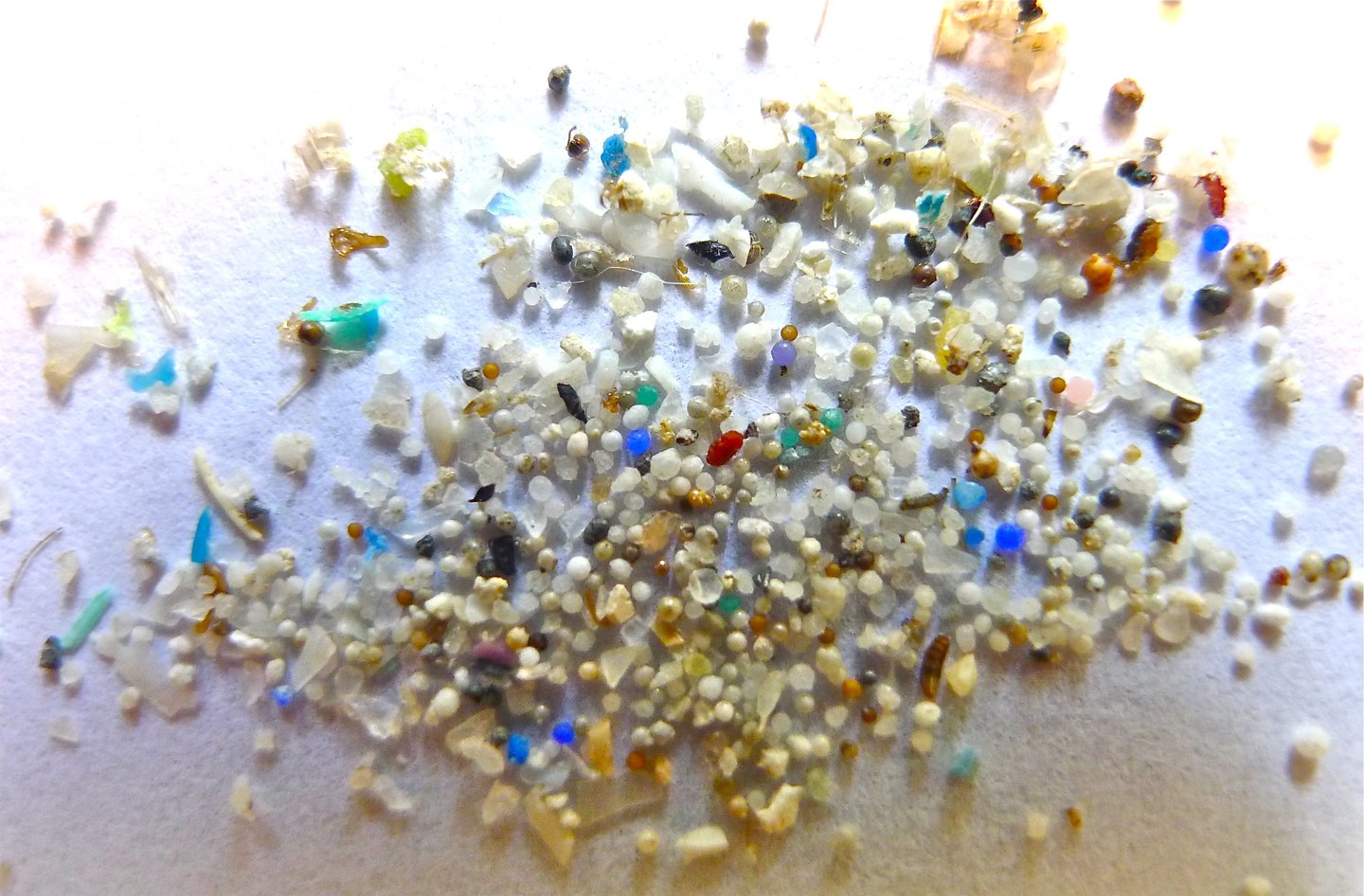
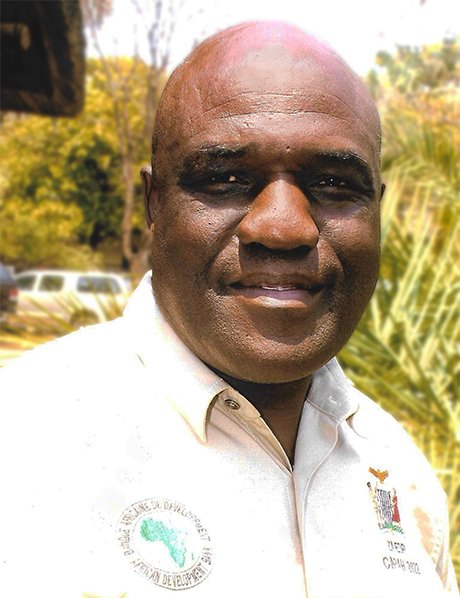
Wayne State University's Kishore Gopalakrishnan, a bioprocess engineer, is diving deep into an exploration of microplastics and harmful algal blooms (HABs) within the Great Lakes. With his academic foundation from the University of Canterbury in New Zealand, Gopalakrishnan is working in Donna Kashian's ecotoxicology lab to unravel the environmental fate of microplastics.
Gopalakrishnan's research uncovers the interplay between cyanobacteria and microplastics. In part, microplastics can trigger the release of extracellular polymeric substances (EPS) in cyanobacteria, altering its buoyancy and positioning in the water column. Kishore also delves into how microplastics affect the growth of HAB-forming cyanobacteria, which use microplastics as platforms for biofilm growth and as a source of carbon. These biofilms provide a sheltered environment for cyanobacteria, potentially fueling HABs. These interactions lead to microplastics aggregating and sinking and can provide pathways for microplastics to enter the food chain when mistaken for food.
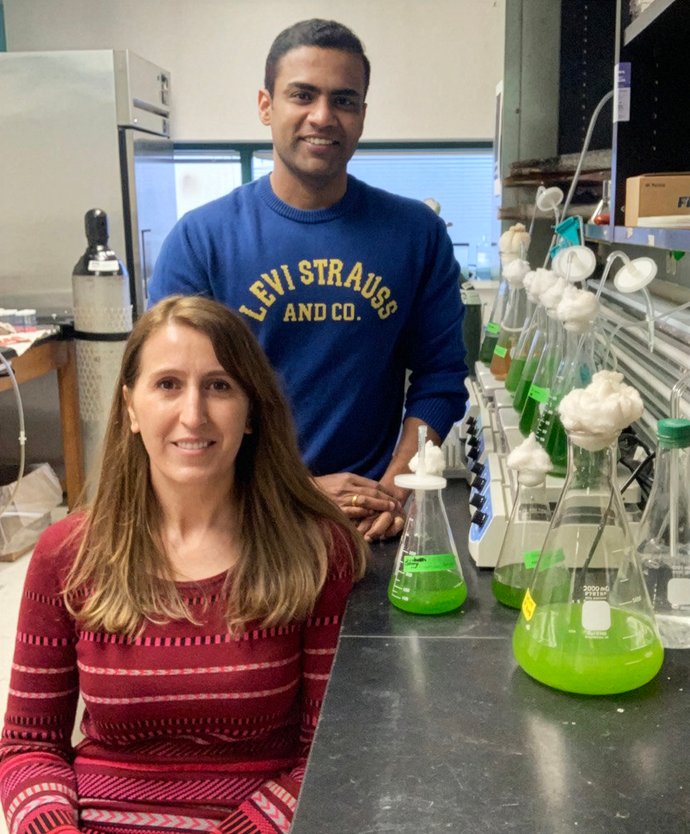
Gopalakrishnan's research illuminates the complex interaction between microplastics and cyanobacteria, shedding light on potential consequences for the Great Lakes ecosystem. His research raises concerns about plastics entering the aquatic food chain through their intricate connections with algae, which could ultimately impact human health. This research carries implications for policy makers and the general public, guiding decisions on plastic waste management, pollution control, and food safety. It underscores the urgency of developing strategies to combat the harmful effects of microplastics and HABs while deepening our understanding of the mechanisms at play.