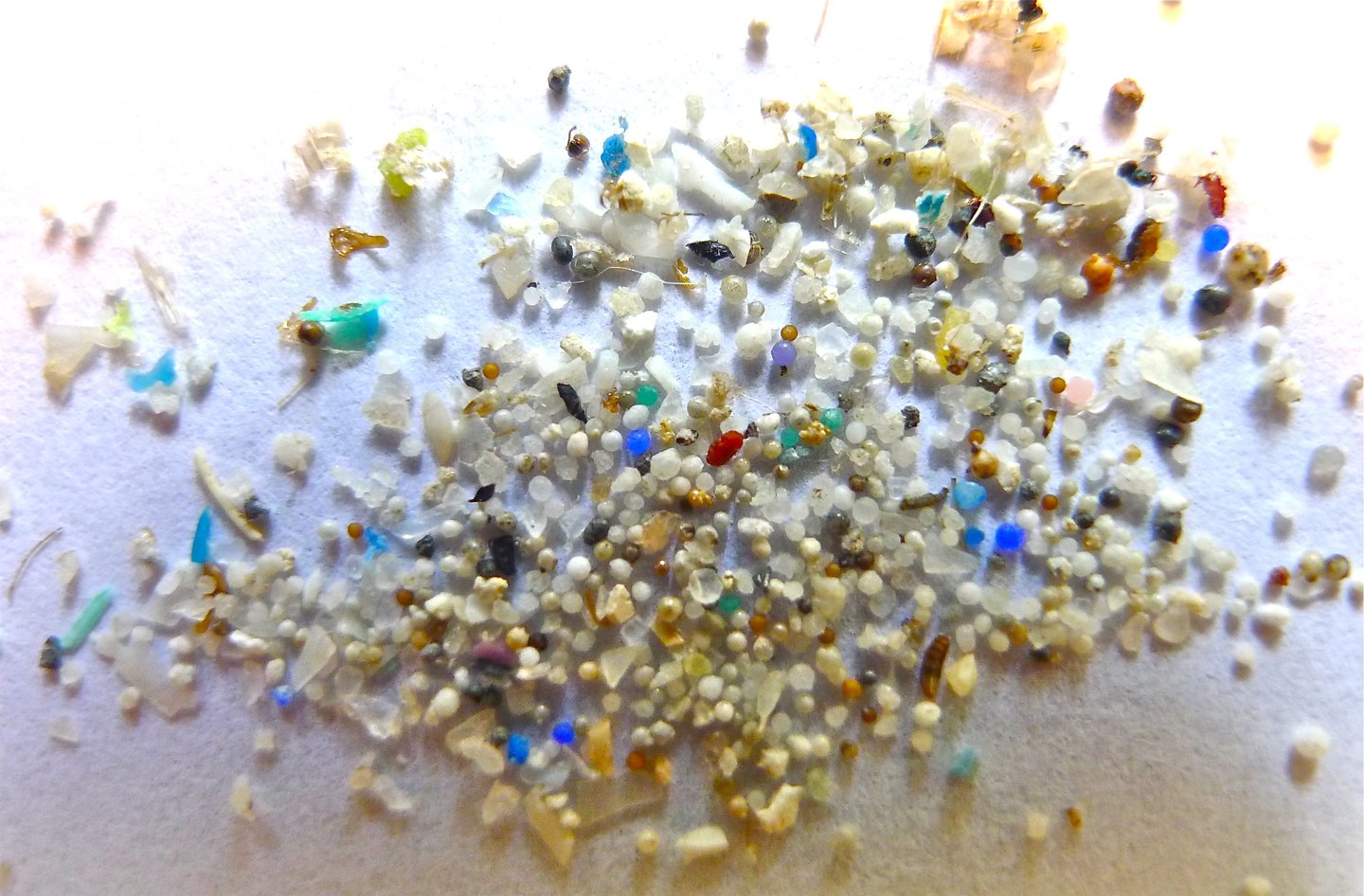
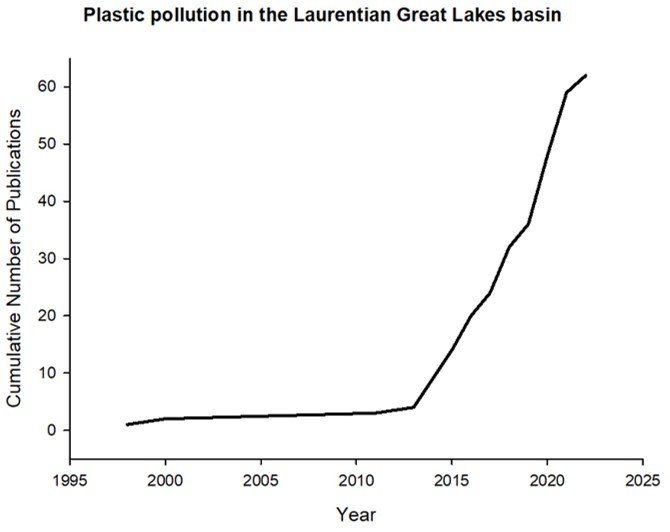
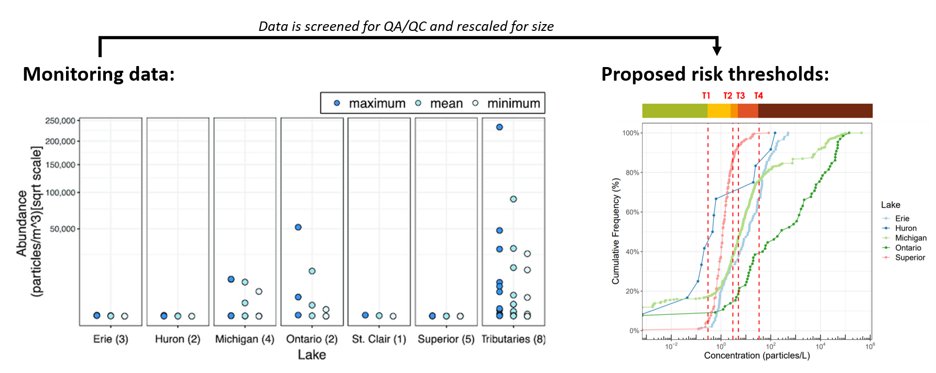
Urban litter is one of the primary sources of litter and plastic pollution in surface waters, though quantifications of this pathway are limited. For this study, storm runoff samples were collected for eight events over spring, summer, and fall seasons (0.14–1.29 inches of rain) from seven locations (two commercial, two industrial, three residential). Macro-litter (> 5 mm) from the samples was separated into nine categories (smoking-related materials, paper, textile, plastic, metal, glass, wood, construction material, and others). Samples were also analyzed for microplastics in the size range of 300 µm to 5 mm.
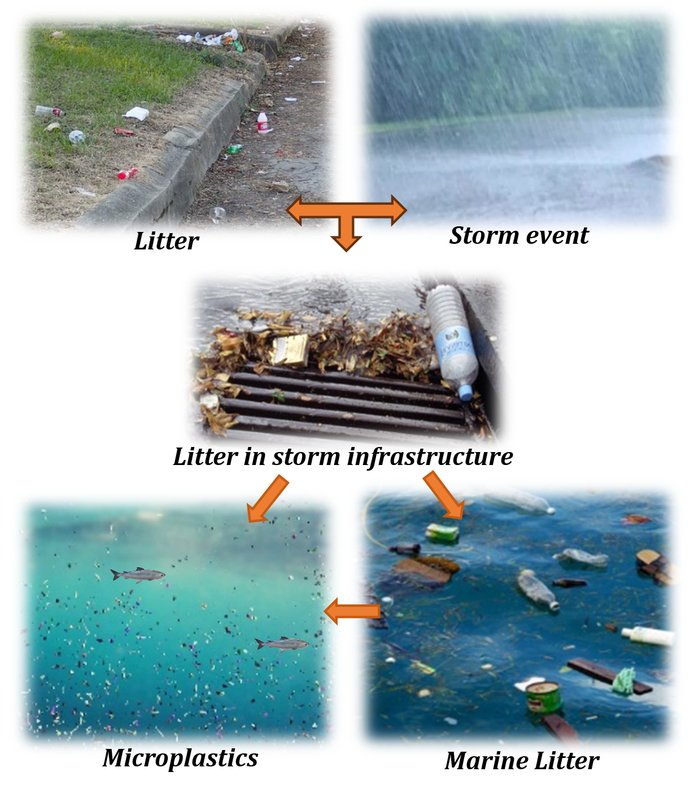
Our research data indicates that low-income and commercial locations contribute significantly higher amounts of macro-litter (3–20 times more) and macro-plastics (6–11 times more) compared to other locations. Microplastics counts per 10,000 gallons of runoff range from 43 to 58,512, with commercial and industrial locations having the highest quantities. Higher amounts of litter were found in samples collected in spring and fall seasons. The spring and summer samples had significantly more microplastics.
Future efforts related to marine debris should put emphasis on reducing and preventing the debris from entering the Great Lakes. This could be achieved by developing solutions to capture and remove litter and microplastic in stormwater infrastructure, implementing better waste management practices, and providing additional resources to areas that contribute higher quantities of litter. Placing more trash receptacles and signage at commercial locations and having industries develop and implement best practices to prevent raw materials from entering the environment are also solutions.