The African continent is home to some of the largest freshwater bodies and holds about a third of the total global freshwater resources. The major African Great Lakes (AGL), namely Victoria, Tanganyika, and Nyasa (Malawi), form a unique ecoregion that plays vital ecological and economic roles for the riparian communities and the global hydrological cycle at large. The lakes support amongst the highest levels of freshwater biodiversity with hundreds of endemic aquatic species and also huge human populations that rely on the freshwater resources. The AGL support the livelihood of 40 million people across eight bordering countries (Tanzania, Kenya, Uganda, Malawi, the Democratic Republic of the Congo, Burundi, Zambia, and Mozambique). The AGL connect the heart of Africa to the open ocean and the doorstep of Europe through the Mediterranean Sea and the Atlantic and Indian oceans via the Nile, Congo, and Zambezi Rivers, respectively.
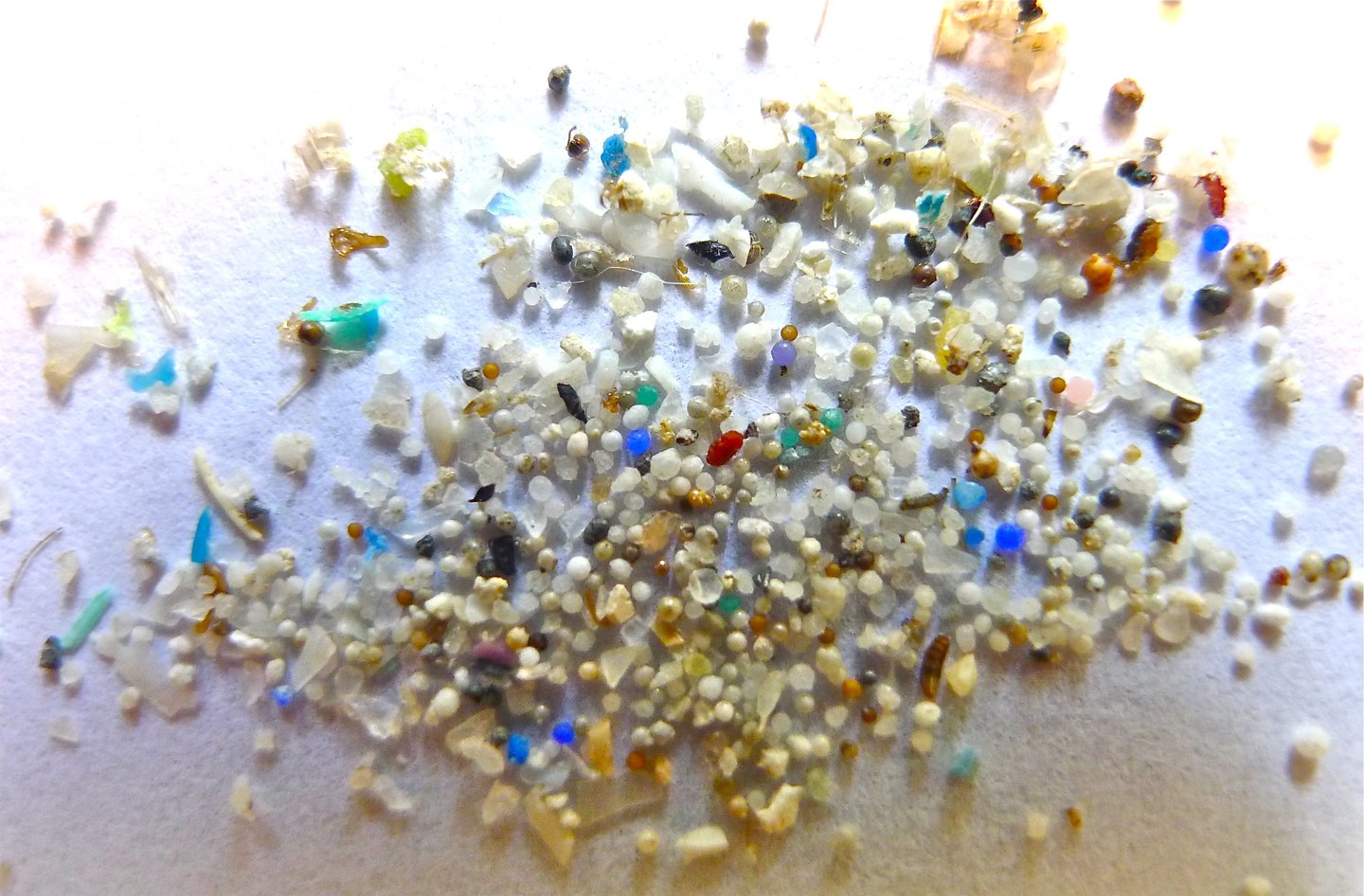
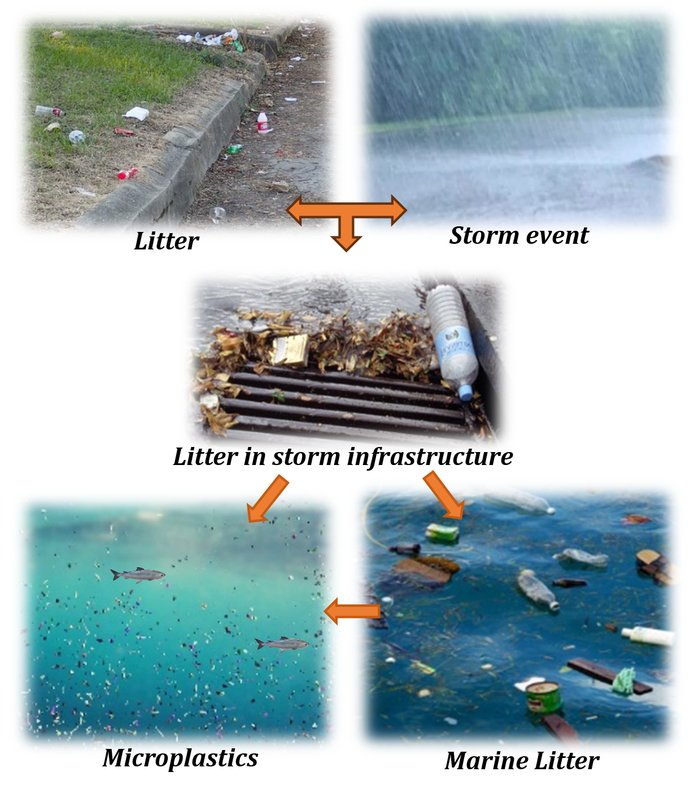
Thus, plastic and microplastic pollution in these waters has major ramifications and has already been documented on AGL beaches (Mayoma et al., 2019; Egessa et al., 2020), in water (Ngupula et al., 2014), and in fish (Biginagwa et al., 2016). The 2016 study by Biginagwa and coauthors was the first to show the presence of microplastics in the digestive tracts from Nile perch and Nile Tilapia from the AGL, specifically Lake Victoria. This study started the urgency to address the issue of plastic pollution in the region, and in particular, what can be done to mitigate the problem.
Clean Shores, Great Lakes Project
The Clean Shores, Great Lakes (CSGL) project was formed to address microplastics before they enter the Great Lakes water by reducing litter, especially plastic litter, along the Tanzanian shorelines of the AGL. Funded by the Norwegian Retailers' Environment Fund (Handelens Miljøfond) under the Reduce Plastic Litter Internationally program, the project was led by the Norwegian Research Centre (NORCE) and University of Dar es Salaam (UDSM), with EMEDO (Environmental Management and Economic Development Organization) and ARENA Recycling Industry. The project aimed to (1) conduct a campaign of coordinated cleanups; (2) train and mobilize local communities as environmental ambassadors through active involvement in the cleanups; (3) record cleanup data through citizen science to pinpoint hotspots and sources of litter; (4) promote circular economy and sustainable solutions; and (5) provide data-led advice to regional and national policy makers on mitigation strategies.
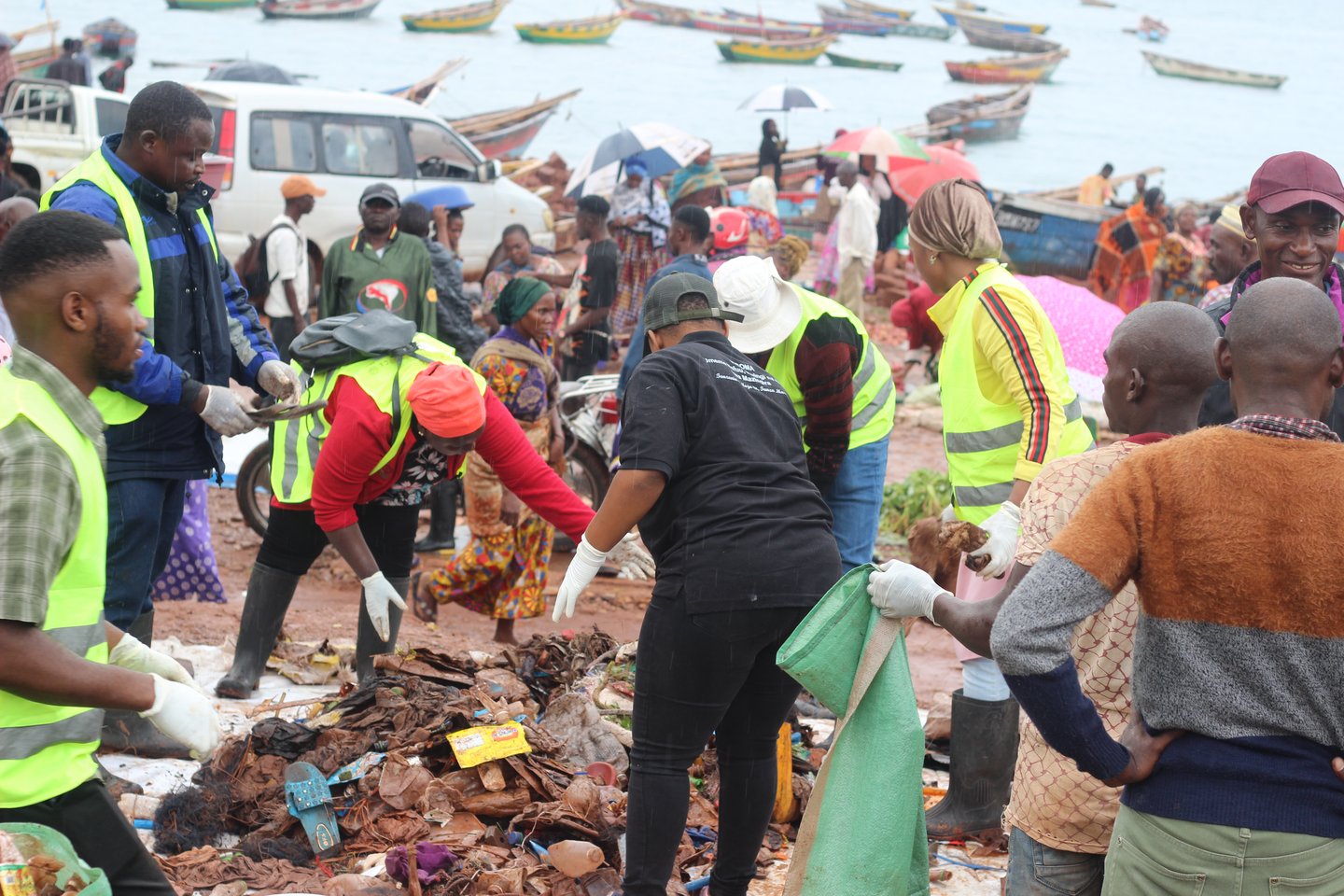
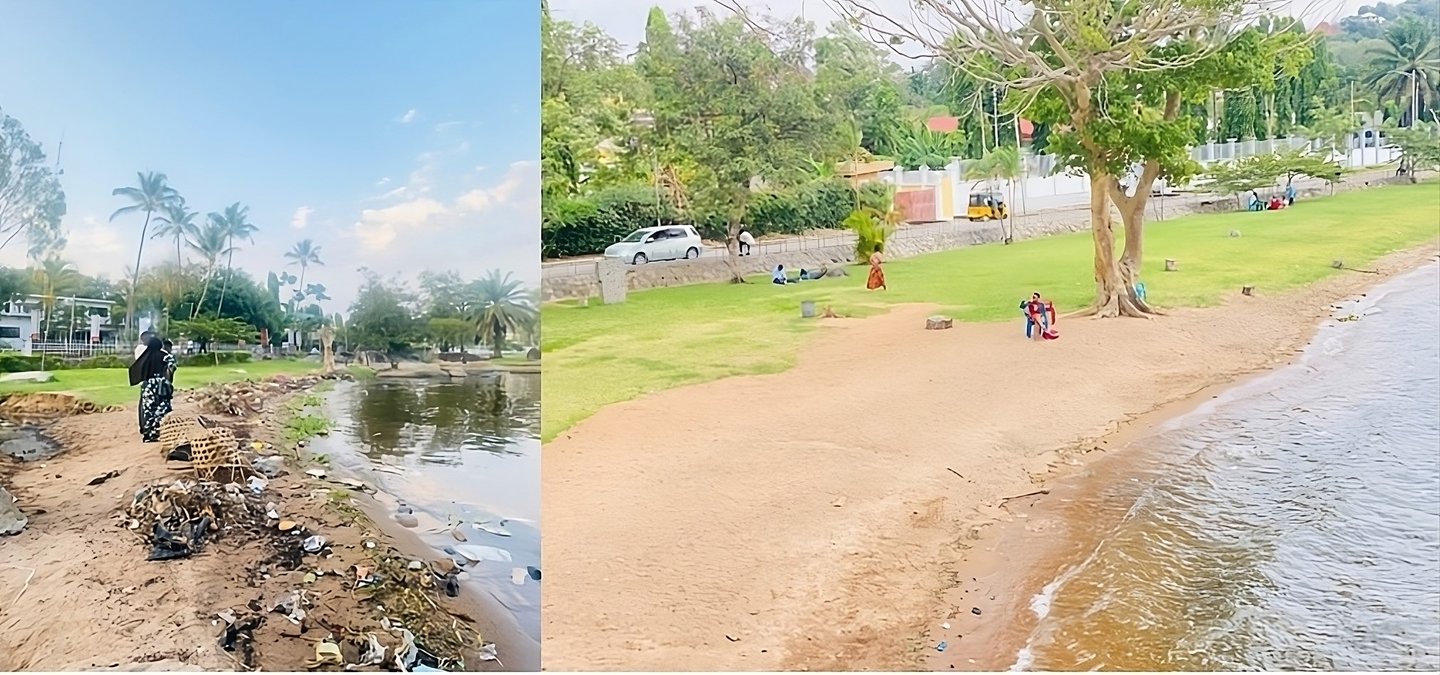
Implemented from February to September 2023, the project targeted beaches, drainage ditches, rivers, markets, and landing (fishing) sites. Importantly, our cleanups were designed not to disrupt people’s livelihoods, so we started early (typically 7 or 8 a.m.) and worked for only a couple of hours. This model attracted many volunteers including jogging clubs, scouts, market traders, and many more members of the community.
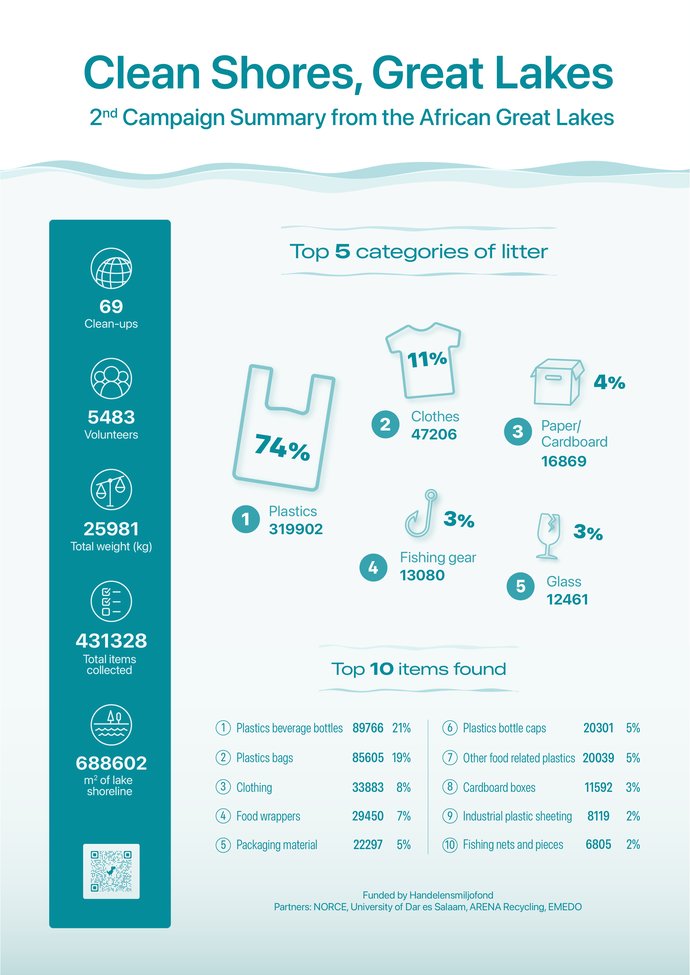
The results of the campaign surpassed our expectations. Over 5,000 volunteers joined us as we cleaned up 69 sites (nine sites more than initially planned), totaling an area of over 680,000 m2 of Great Lakes shoreline, equivalent to over 150 football fields. Plastics were the biggest category of litter (74%), with bottles and carrier bags comprising 40% of all litter. Brands from three local manufacturers accounted for 60% of all plastic litter collected, and sites associated with fishing activities were generally more polluted than other types of sites.
Dissemination and Education
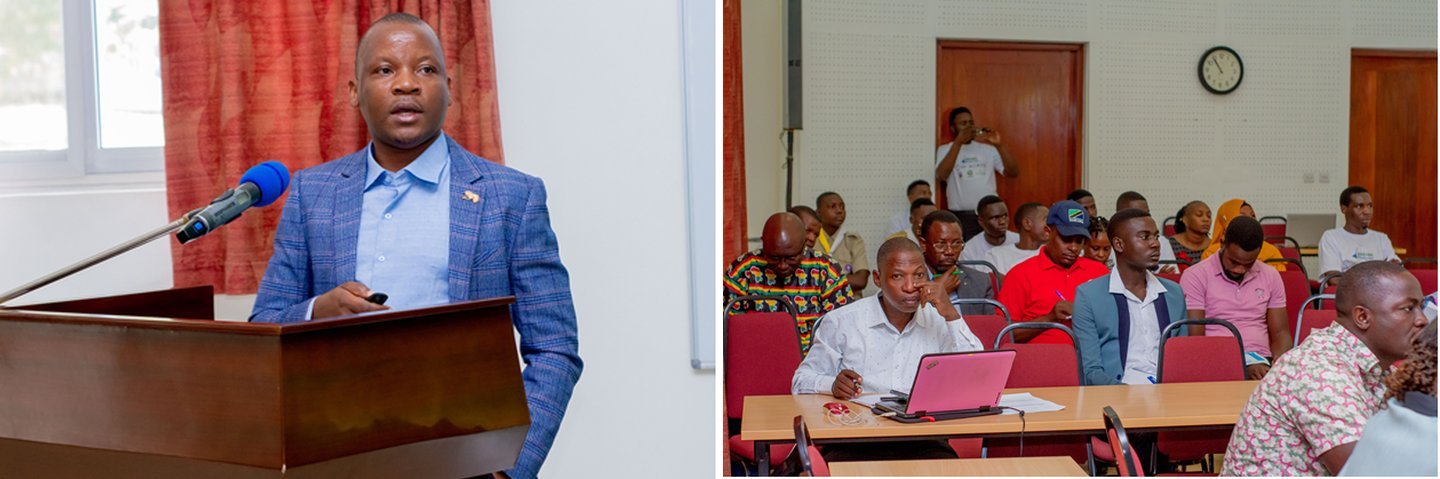
The project’s aims were clear in going beyond just cleanups. At the end of our second campaign, we hosted our dissemination workshop in Mwanza, close to Lake Victoria. Attended by key stakeholders from government departments, non-governmental organizations, local and international academics, and affected communities, such as fishermen, we shared the magnitude of our efforts. The assembled audience members were shocked at the scale of plastic pollution and resolute in their determination to find lasting strategies for mitigation. The workshop was covered by various Tanzanian media outlets, and together with our social media accounts, the impact of the project has been tremendous within Tanzania and further afield.
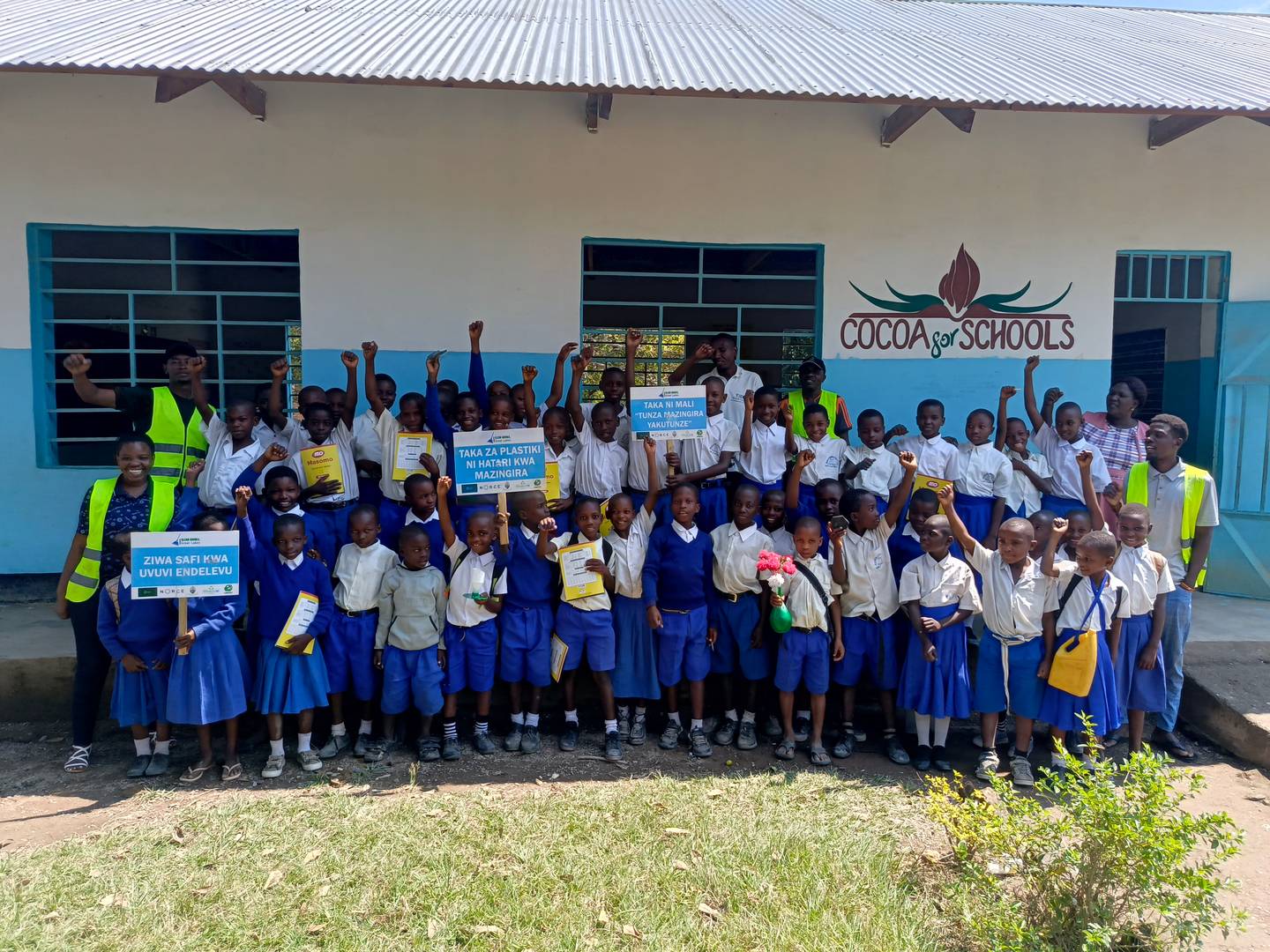
A school outreach program was also implemented extensively to impart knowledge to students at a young age, with much effort devoted to waste management hierarchy and the circular economy concept, in particular the 4 R's (refuse, reduce, reuse, and recycle), at the household and school levels. The use of available materials locally, such as abandoned plastic containers to grow vegetables and make home gardens during demonstration, attracted the great attention of the community.
We have reached the end of our initial two years of funding, but are actively seeking support to continue the project. If you want to know more visit the Clean Shores, Great Lakes website or contact Farhan Khan (fakh@norceresearch.no, NORCE) or Bahati Mayoma (bsosthenes@yahoo.com, UDSM).