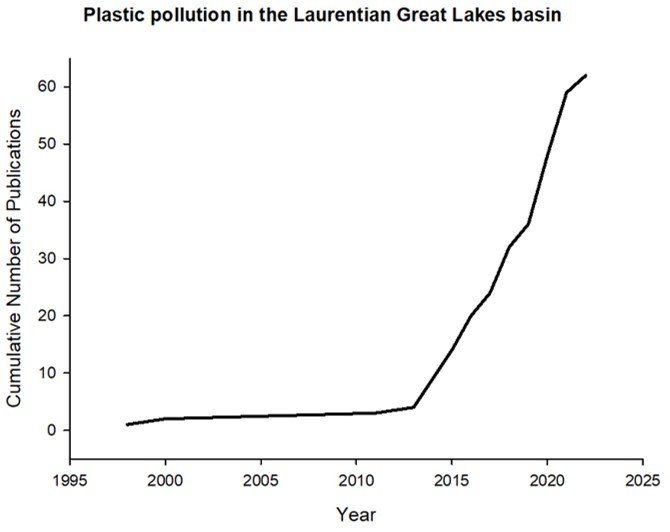
In 2020, in response to a request from the Canadian federal government, we synthesized the state of the science on plastic pollution in the Laurentian Great Lakes. We used the data to write sub-indicator reports for plastic pollution as if it were among the pollutants used to report on the state of the Great Lakes under Annex 10 of the Great Lakes Water Quality Agreement. The sub-indicator reports highlighted gaps in the monitoring and ecological risk assessment of plastics in the Great Lakes, both of which are essential to informing management action. As a follow-up, we published this work as a pair of papers that explored these themes further, focusing on microplastics only.
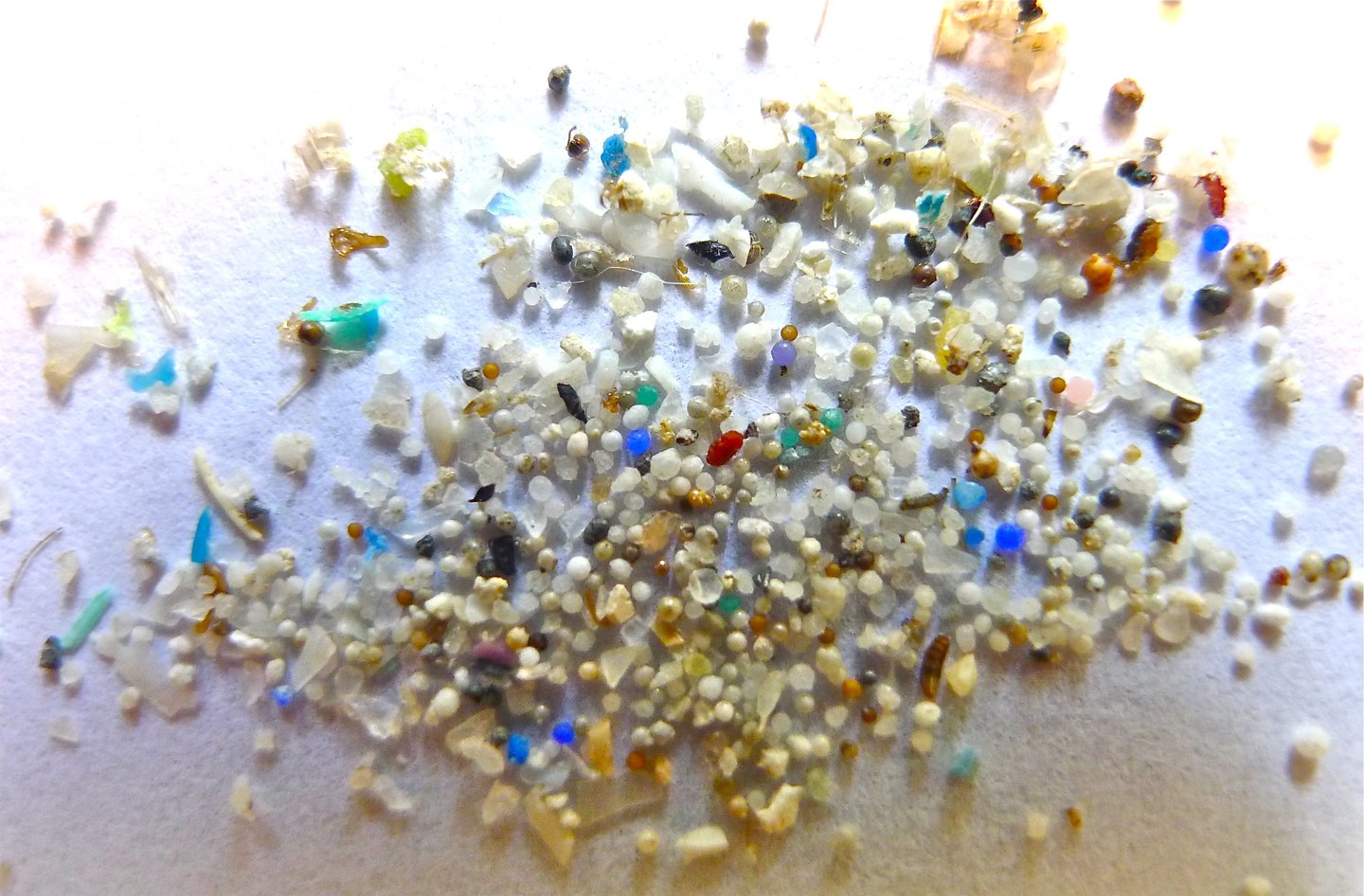
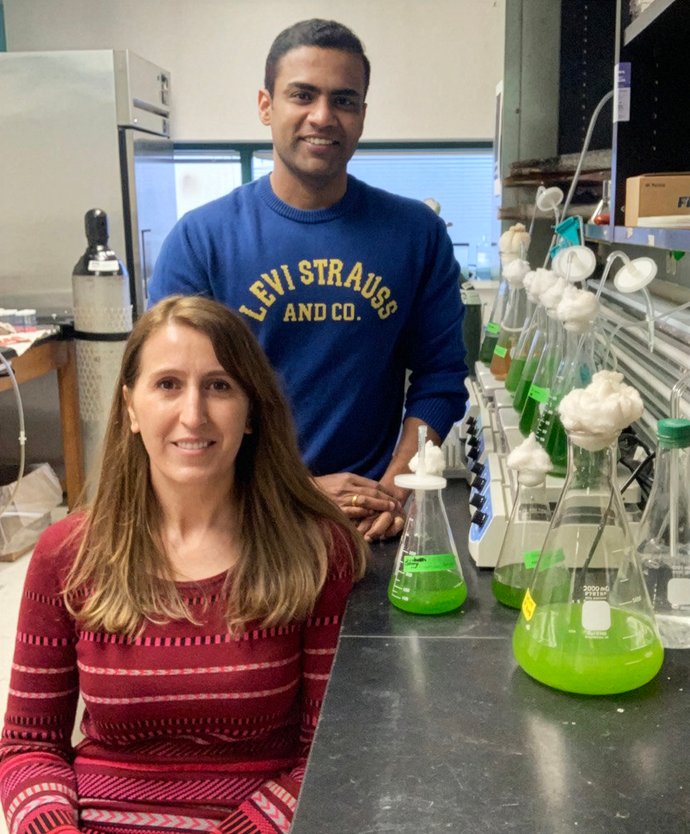
In the first paper, led by Hayley McIlwraith, we synthesized research published across the region to better understand microplastic contamination in the Great Lakes and the methods researchers typically use to measure it. Our synthesis shows that microplastics are widespread throughout the Great Lakes basin, in water, sediment, and wildlife. Additionally, the methods used to measure microplastics differ across and within matrices, making data comparability between studies, and thus deciphering trends in environmental contamination, difficult.
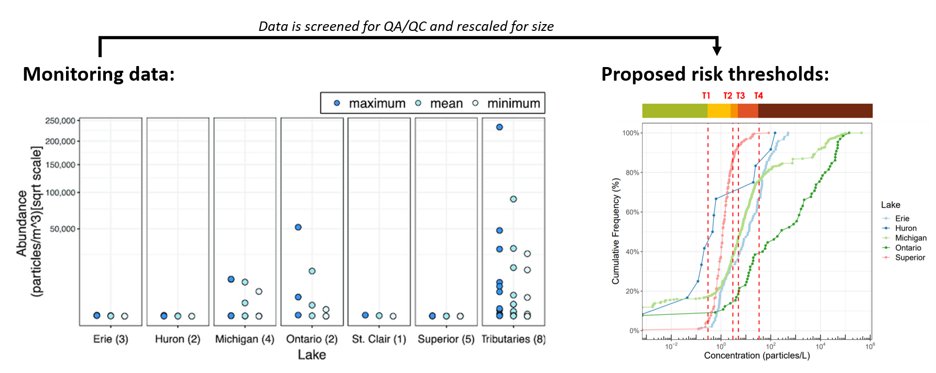
In the second paper, we applied an ecological risk assessment and management framework for microplastics in aquatic environments recently developed by experts in the field to the Great Lakes by comparing proposed risk thresholds to regional monitoring data, both available in the primary literature. Our analysis shows that most microplastic concentrations reported in water samples collected across the region exceed the proposed risk thresholds, whereas all microplastic concentrations reported in sediment samples remain below the proposed risk thresholds.
Together, these two papers show the need for (1) harmonized and/or standardized methods for monitoring microplastics in the region to increase data quality and comparability and make it possible to determine spatial and temporal trends in environmental contamination as well as exposure levels and (2) a risk assessment and management framework for microplastics adapted for the Great Lakes to better understand risk and inform how the contaminant is managed locally. Fortunately, the International Joint Commission is currently facilitating work on both needs through a binational workgroup (see the related article).