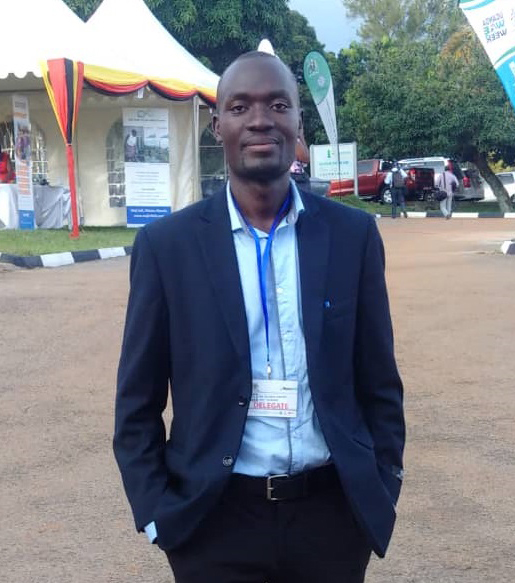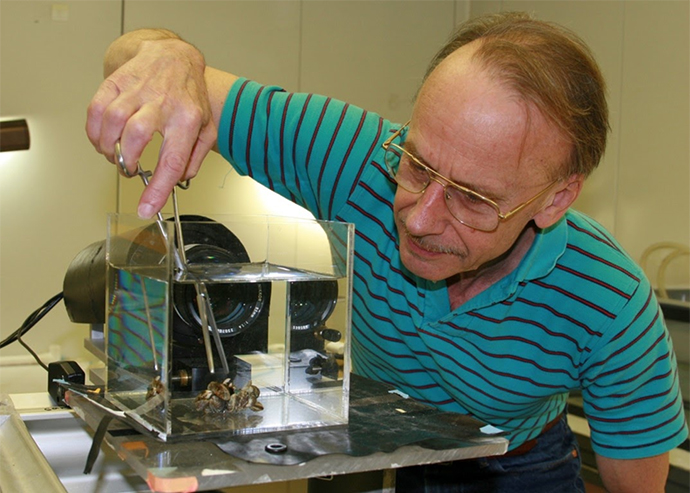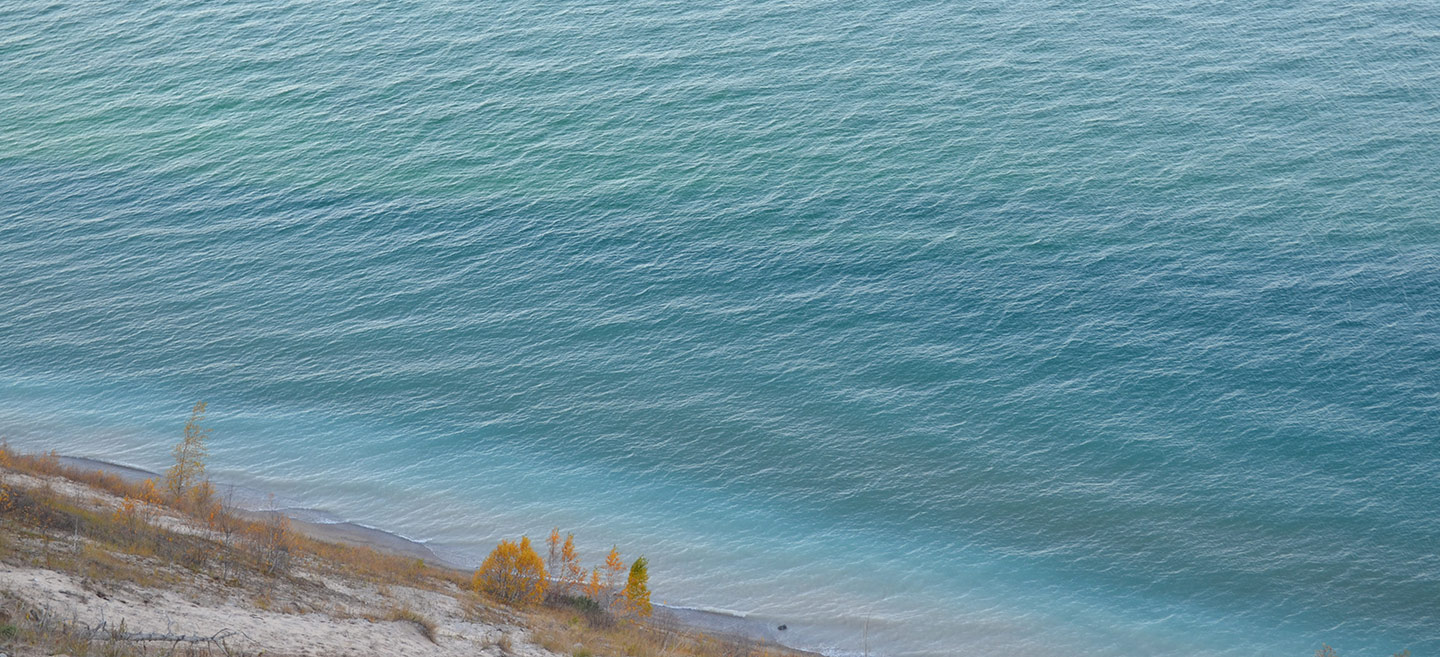
The shift to a virtual IAGLR conference this year came with the unexpected benefit of more researchers from around the world being able to participate. The Large Lakes of the World panel discussion was born from the State of Global Lakes session, co-chaired by Richard Ogutu-Ohwayo of the Ugandan National Fisheries Resource Research Institute and African Lakes Network. The session featured 13 recorded presentations from experts representing lakes in Russia, New Zealand, Italy, China, and throughout East Africa. These lakes ranged in size from Lake Garda in Italy (370 km2) to Lake Victoria in East Africa (Uganda, Kenya, and Tanzania; 2,750 km2). Each presenter gave an overview of their lake and discussed topics pertaining to it (e.g., land use changes, fishery exploitation, and aquaculture).
Following the session, the one-hour live panel discussion featured a subset of session presenters to discuss commonalities, differences, and shared issues across global large lakes. Panelists included Kevin Obiero (Lake Turkana), Alfred Otieno Achieng’ (Lake Victoria), Nikolai Filatov (Lake Onego), Cecilia Githukia (Lake Victoria), Annette Janssen (Lake Taihu), and Yu-Chun Kao (representing a comparative fisheries study of 30+ global lakes). The discussion began with broad thoughts about the shared challenges of the world’s large lakes (e.g., climate change, eutrophication, exploitation), and quickly focused in on one particular challenge: data availability. It was clear through the discussion that data availability not only varies widely across the globe, but data access does as well. Participants noted that the data challenge is made up of numerous smaller challenges, including language barriers, data ownership, differing data collection methods that make data uncomparable, and data collection gaps (particularly in the global south where much of the research is patchy and project-based).
Following the discussion, we invited panelists and the audience to submit ideas for concrete actions that IAGLR could take to strengthen its international reach. We received some excellent ideas, which will be directed to IAGLR’s International Committee, led by Dr. Ogutu-Ohwayo. The committee is developing a list of recommendations to share with the IAGLR Board of Directors.
One of the key messages that we, as the moderators, took away from the discussion was that IAGLR and other international associations have a valuable role in connecting global players and facilitating data co-collection and sharing. IAGLR should continue to bring large lake researchers together. Not only does IAGLR need to continue to strengthen the areas it does well (a strong North American community, annual meetings, and the Journal of Great Lakes Research), but it also needs to grow in new ways that allow more global access and participation in knowledge sharing and network building. In this digital age, and highlighted by the COVID-19 pandemic, we encourage IAGLR to investigate how it can use virtual spaces to connect and strengthen large lake science at a global scale. This could most efficiently be done by partnering with other associations and organizations with networks outside of North America, allowing IAGLR to both retain its existing Laurentian Great Lakes strengths and contribute to the understanding and stewardship of global lakes, some of the world’s most precious resources.